Instructional7 min read

Read the back of the last product you bought for redness and count the acids. Most things marketed at rosacea contain something rosacea cannot take, which is why people with it end up trusting nothing.

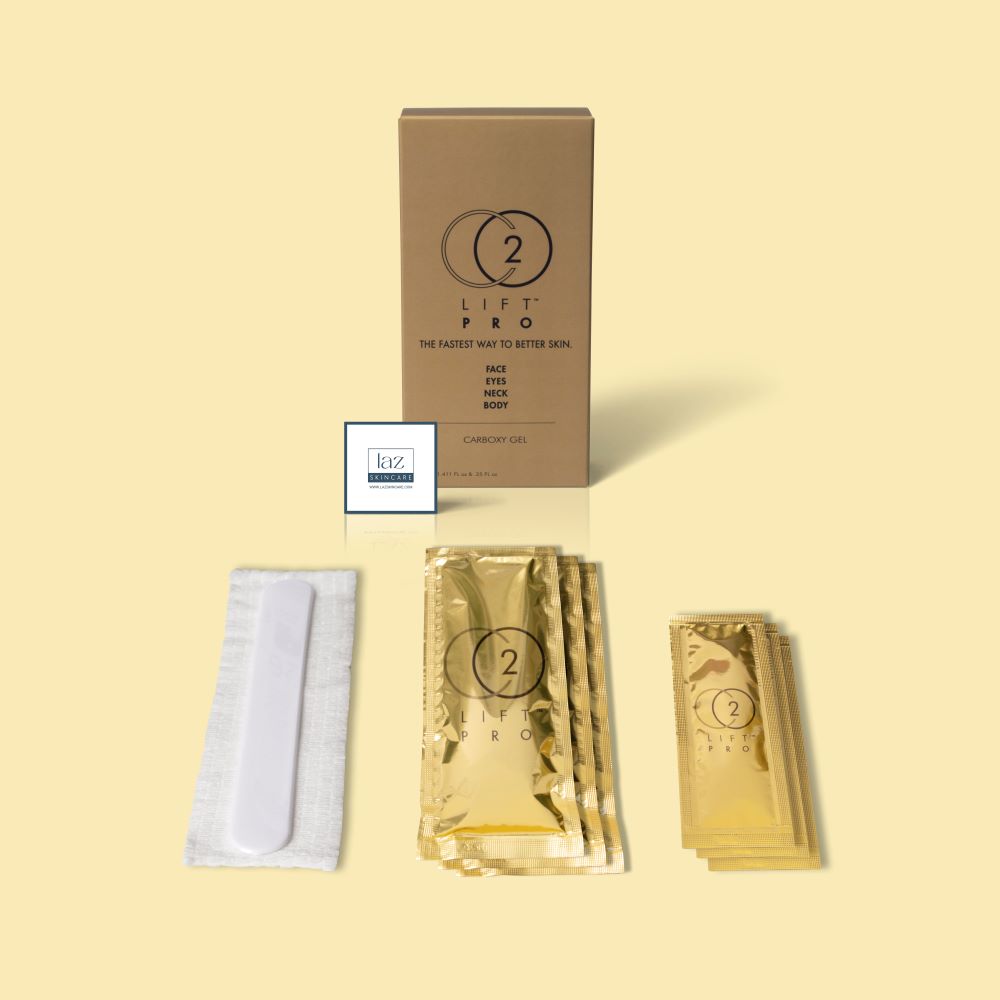
The CO2Lift Pro Carboxy Gel Mask, stocked by LAZ Skincare.
One of very few masks I will put on rosacea-prone skin.

The short answer

The CO2Lift Pro Carboxy Gel Mask is one of very few masks I will put on rosacea-prone skin. Aloe cooling on contact, a full ceramide complex rebuilding a barrier that is compromised in almost every case, and no acid, fragrance or exfoliant anywhere in it.

Forty-five minutes on clean, dry skin, wiped rather than rinsed.

This is supportive care and not treatment. It does not address the papules and pustules of one rosacea subtype, it does not clear visible vessels, and it is not a reason to stop anything a doctor has prescribed. What it does is make the baseline more comfortable, which is worth a great deal when you live with this.

Why does rosacea need a different approach?

Because rosacea skin has a barrier that is already compromised and a vascular system that overreacts, so the usual tools for redness are the wrong tools twice over. It is not simply sensitive skin with more colour in it.

What you are actually managing:

  • A barrier that loses water faster than it should, which keeps the inflammation running between flares.
  • Vessels that dilate readily and are slow to settle, so a trigger lasts hours rather than minutes.
  • Triggers that are mostly not skincare at all. Heat, sun, alcohol, spice, stress and weather do more than any product you own.
  • Subtypes that behave differently. Flushing and visible vessels is not the same condition as bumps and pustules, and they are not managed the same way.

So a product built on exfoliation is working directly against the barrier you need intact. That is the trap, and it is why so much of what is sold for redness makes rosacea worse rather than better.

The CO2Lift Pro Carboxy Gel Mask from the LAZ Skincare range.
No acid, no fragrance, no scrub. On rosacea that list is the product.

What is safe to use on rosacea-prone skin?

Barrier lipids, soothing botanicals with a long safety record, and nothing that asks the skin to shed. The absences matter as much as anything present. The CO2Lift Pro Carboxy Gel Mask is built along those lines.

Ceramides 1, 3 and 6 II with cholesterol and phytosphingosine are the reason I trust it here. Rosacea barriers are compromised almost by definition, and a proper multi-ceramide complex is the single most useful thing you can put on one.

Aloe barbadensis cools and reduces flushing on contact. This is the part that makes the forty-five minutes comfortable rather than something to endure.

Carbon dioxide, with sodium alginate, magnesium carbonate and calcium chloride form the gel and drive oxygen delivery without heat and without abrasion. Nothing in the mechanism involves warming the skin, which matters when heat is one of your triggers.

Hydrolyzed collagen supports structure and helps with the thin, fragile quality that longstanding rosacea often leaves behind.

Passionfruit, kudzu root and chlorella add antioxidant cover, and butylene glycol draws in water to ease the tightness that comes with a flare.

No acid, no retinoid, no fragrance, no essential oils, no scrub. On rosacea that list is the product.

Can a mask reduce rosacea flare-ups?

It can shorten them and soften them. It will not stop them, because the triggers are mostly outside your bathroom, and anyone promising an end to flares is not being straight with you.

One client had flares set off by weather and stress, neither of which she could do much about. We concentrated on lowering the inflammation and rebuilding her barrier, with this as a weekly fixture. Two months later her flushing episodes were shorter and less intense, her tone was more even, and she went without makeup for the first time in years.

Shorter and less intense is the realistic win. That is what a better baseline looks like from the inside.

Who it does not suit: anyone with the bumps and pustules subtype expecting this to treat them, which needs prescription therapy. Anyone with established visible vessels, which need light or laser. And anyone using it as a reason to delay getting assessed, which is the costliest version of all.

CO2Lift Pro Carboxy Gel Mask, part of the LAZ Skincare range.
Supportive care alongside treatment, not instead of it.

What to do

  1. Get a diagnosis first if you do not have one, and keep using whatever has been prescribed. This sits alongside that rather than in place of it.
  2. Strip the routine to a non-foaming cleanser, a barrier moisturizer and mineral sunscreen. Acids, retinoids and scrubs come out.
  3. Apply the CO2Lift Pro Carboxy Gel Mask to clean, dry skin and leave it for around forty-five minutes. Remove without rinsing and press the residue in.
  4. Barrier moisturizer on top. Nothing active afterward.
  5. Run a series of three, five to seven days apart, then maintain monthly. Keep a note of your flares so you can tell whether the baseline is genuinely moving.

Track your triggers with the same seriousness you track products. For most people with rosacea, the sun and the wine are doing more than the skincare is.

Comfort during the first application. A calmer baseline across a series. Shorter, milder flares over a couple of months, which is the outcome worth measuring.

Sources and further reading

Product discussed: CO2Lift Pro Carboxy Gel Mask. Stocked because it is used in the clinic. The full ingredient list and current details are on the product page.

Building a routine around rosacea means working out which products are safe for your subtype and which of your triggers are worth changing. Book a consultation, in person at the NYC clinic or virtually, and we will do that alongside whatever your doctor has you on.

Last reviewed