
Skin Concerns

Damaged Skin Barrier: What Causes It and How to Repair It
A damaged skin barrier lets water out and irritants in, which leaves skin tight, flaky and quick to sting. Here is what causes it, how to spot it and how to help it repair.
Read moreabout Damaged Skin Barrier: What Causes It and How to Repair It

Dark Circles: What Causes Them and What Skincare Can Change
Dark circles come from extra pigment, blood vessels showing through thin skin, or shadow from a hollow under the eye. Here is how to tell which you have and what skincare can change.
Read moreabout Dark Circles: What Causes Them and What Skincare Can Change

Dryness: Why Skin Feels Tight and How to Restore It
Dry skin is short on oil, dehydrated skin is short on water, and many people have both. Here is how to tell which you have and what your moisturizer needs to do about it.
Read moreabout Dryness: Why Skin Feels Tight and How to Restore It

Dull Skin: Why It Loses Its Glow and How to Bring It Back
Dull skin looks flat and tired because light scatters off its surface instead of reflecting evenly. Here is what causes it and how to bring your skin's glow back with a short routine.
Read moreabout Dull Skin: Why It Loses Its Glow and How to Bring It Back

Eczema: What Keeps It Coming Back and How to Manage It
Eczema is a long-term condition where a weaker skin barrier and itch keep feeding each other. Here is why it flares, what sets it off and how daily skincare helps between flares.
Read moreabout Eczema: What Keeps It Coming Back and How to Manage It

Fine Lines: What Causes Them and How to Soften Them
Fine lines come from dehydration, repeated expressions or collagen loss, and each one responds differently. Here is how to tell them apart and what helps soften each kind.
Read moreabout Fine Lines: What Causes Them and How to Soften Them

Firmness: Why Skin Loosens and What Helps It Hold Its Shape
Skin loses firmness as collagen and elastin decline with age and sun. Here is what is happening underneath, what skincare can do for firmness, and where in-clinic procedures go further.
Read moreabout Firmness: Why Skin Loosens and What Helps It Hold Its Shape

Glycation: How Sugar Stiffens Skin and What Can Slow It
Glycation is sugar bonding to the collagen in your skin, leaving it stiffer and more yellow over the years. Here is how it happens, what speeds it up and what can slow it down.
Read moreabout Glycation: How Sugar Stiffens Skin and What Can Slow It

Inflamed Acne: Why Breakouts Turn Red and How to Calm Them
Inflamed acne is the red, sore kind of breakout, from small bumps to deep lumps. Here is why a blocked pore turns inflamed, what calms it and when it is time to see a doctor.
Read moreabout Inflamed Acne: Why Breakouts Turn Red and How to Calm Them

Large Pores: Why They Look Bigger and How to Make Them Look Smaller
Large pores are follicle openings that look wider because of oil, buildup, age or genetics. Here is why pores look bigger, what cannot change, and what makes them look smaller.
Read moreabout Large Pores: Why They Look Bigger and How to Make Them Look Smaller
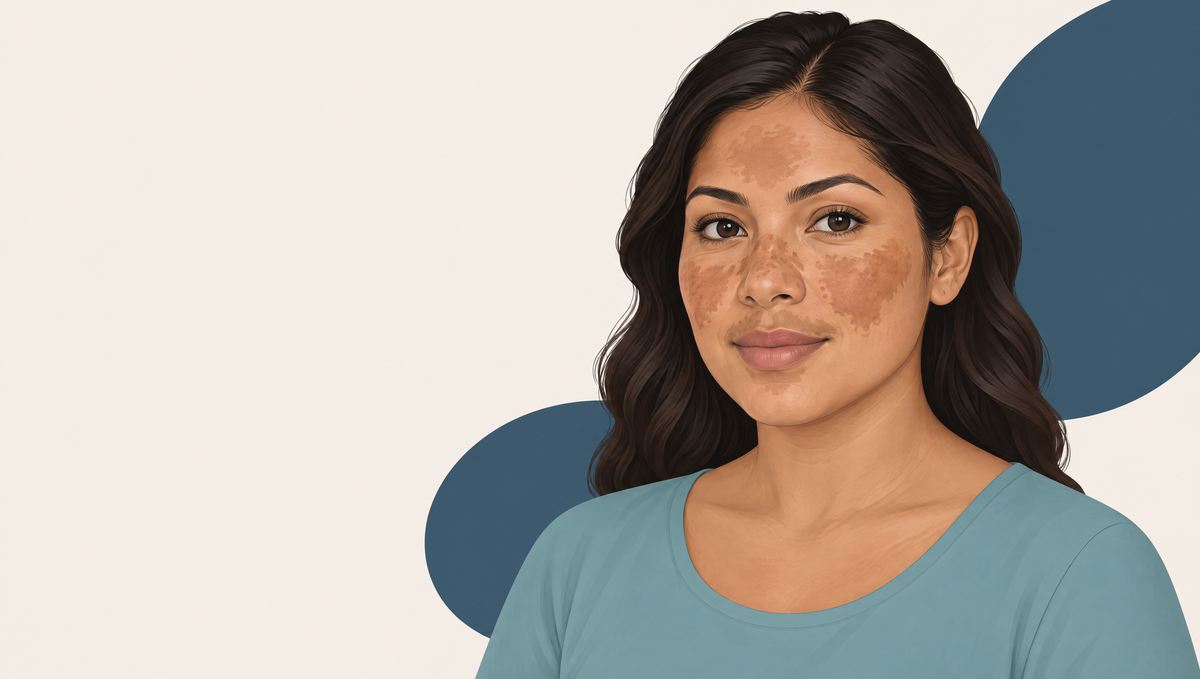
Melasma: Why It Comes Back and How to Manage It
Melasma is patchy brown pigment on the cheeks, forehead and upper lip, set off by hormones, light and heat. Here is why it returns and how to keep it lighter for much longer.
Read moreabout Melasma: Why It Comes Back and How to Manage It

Blackheads and Whiteheads: What Clogs a Pore and How to Clear It
Blackheads and whiteheads are clogged pores that have not turned red or sore. Here is what forms the plug, why many nose blackheads are something else, and how to clear them.
Read moreabout Blackheads and Whiteheads: What Clogs a Pore and How to Clear It

Oily Skin: What Drives the Shine and How to Balance It
Oily skin makes more oil than other skin types, and the shine comes back within hours of washing. Here is what drives it and how to keep it balanced without drying out your skin.
Read moreabout Oily Skin: What Drives the Shine and How to Balance It

PIE: Red Marks After Breakouts
Post-inflammatory erythema is the pink, red or purple mark a breakout leaves once it heals. Here is why it lingers, how it differs from a brown mark and what helps it fade.

PIH: Dark Marks After Breakouts
Post-inflammatory hyperpigmentation is the brown mark a breakout leaves once it heals. Here is why it lingers, how to tell it from a red mark and what helps it fade faster.

Post-Procedure Skin: How to Care for It After a Peel, Laser or Microneedling
Post-procedure care is how you look after your skin in the days after a peel, laser or microneedling. Here is what your skin is doing, what to leave alone and what to bring back when.
Read moreabout Post-Procedure Skin: How to Care for It After a Peel, Laser or Microneedling

Puffy Eyes: Why They Swell and How to Calm Them
Morning puffiness is fluid that collects in the thin, loose skin around your eyes overnight. Here is what makes more of it collect, how to help it drain, and when swelling needs a doctor.
Read moreabout Puffy Eyes: Why They Swell and How to Calm Them

Reactive Skin: What Sets It Off and How to Calm It
Reactive skin stings, burns or flushes with products and weather that should not bother it. Here is what is happening underneath, what sets it off and how to calm it down.
Read moreabout Reactive Skin: What Sets It Off and How to Calm It

Facial Redness: What Causes It and How to Calm It
Facial redness comes from extra blood flow or visible blood vessels near the surface, and it has several causes. Here is how to tell which one you have and what helps calm it.
Read moreabout Facial Redness: What Causes It and How to Calm It

Rosacea: What Drives the Redness and How to Manage It
Rosacea is a long-term condition that brings flushing, lasting redness and sometimes small bumps to the center of the face. Here is what drives it, what sets it off and how to manage it.
Read moreabout Rosacea: What Drives the Redness and How to Manage It

Skin Texture: What Makes Skin Rough and How to Smooth It
Rough or bumpy skin usually comes from dead cells that shed unevenly, small clogged pores or shallow scars. Here is how to tell which you have and how to smooth it gently.
Read moreabout Skin Texture: What Makes Skin Rough and How to Smooth It

UV Protection: What SPF Means and How to Wear Sunscreen Well
UV protection is daily care against the light that burns skin, ages it and darkens marks. Here is what SPF and broad spectrum mean, how much to apply and how to choose a sunscreen.
Read moreabout UV Protection: What SPF Means and How to Wear Sunscreen Well