9 min read

Many people spend years calling their redness sensitivity before anyone names it rosacea, and in that time their routine often grows longer and harsher. Rosacea responds best to the opposite: a short, gentle routine, triggers you know and can plan around, and a doctor's care alongside.

The short answer

Rosacea is a long-term condition in which the blood vessels, nerves and immune system in the center of the face overreact to common triggers such as heat, sun and spicy food. It cannot be cured, and it can be managed well. That means learning your triggers, keeping your routine short, and using calming ingredients such as azelaic acid and niacinamide under a daily mineral sunscreen.

Read time 9 min
Suits Rosacea-prone, Sensitive
Diagram of five trigger icons, a sun, a hot cup, a wine glass, a chili pepper and wind, each with an arrow pointing to a widening blood vessel.
Each of these can bring on a flush, and which ones matter varies from person to person.

What rosacea is

Rosacea is a long-term condition of the skin across the center of the face: the cheeks, nose, chin and forehead. It tends to come in flares, with calmer stretches between them.

Researchers now see rosacea as one process with several visible features, rather than a set of separate types. Three systems in the skin are involved. Blood vessels widen too easily and too often, which brings flushing and, over time, redness that stays. Nerve endings respond to heat and other triggers more strongly than they should, which brings burning and stinging. The immune system releases inflammatory signals, which bring the red bumps, and that inflammation is also what can make rosacea look flushed.

The skin barrier is often weaker too. The top layers of your skin hold water in, with a thin layer of oils and fats on the surface to stop it evaporating. A study of skin from people with the bumps and pustules of rosacea found many of the proteins holding the barrier together were reduced. When the barrier is weak, water escapes and products travel further in, which is why many people with rosacea find that products sting.

How rosacea shows up

Doctors describe rosacea by the features you have, and most people have more than one.

Flushing and lasting redness are the most common. The skin turns red quickly, often with a feeling of heat, and over months and years some of that redness stays between flushes. Small visible blood vessels can appear across the cheeks and nose.

Bumps and pustules look like breakouts: small red bumps, sometimes with a white head, across the cheeks, chin and nose. Unlike acne, they come without blackheads or whiteheads.

Thickened skin is less common, and seen more often in men. The skin, usually on the nose, slowly thickens. Skincare cannot reverse it, and a doctor can explain the options.

Eye symptoms include dry, gritty, burning or watery eyes, red eyelid edges and crusting at the base of the lashes. They can appear alongside the skin features, and sometimes on their own.

Burning, stinging, swelling and a dry, rough look often come along with any of these.

What sets rosacea off

Triggers vary from person to person, which is why it helps to learn your own. Heat is the largest group: hot weather, hot showers, saunas, exercise and hot drinks. Sun is another common trigger, and so are wind and cold.

Alcohol, especially red wine, and spicy food are common food and drink triggers. Some people also react to foods that contain cinnamaldehyde, a compound found in cinnamon, tomatoes, citrus and chocolate. Researchers think many of these triggers work through a family of sensing channels on nerve endings, some of which also respond to heat, and those channels then signal the blood vessels to widen.

Stress and skincare products complete the list. The product triggers we see most are fragrance, menthol and formulas high in drying alcohol.

Where Demodex fits in

Demodex are tiny mites that live in the hair follicles on the faces of most adults. They are a normal part of the skin's population, and on most people they cause no problems.

Many people with rosacea, especially those with bumps and pustules, carry far more of them than usual. Researchers are still working out whether the mites help drive the inflammation or multiply because the skin is already inflamed. Your doctor may prescribe a cream aimed at the mites if they think Demodex is playing a part.

Diagram of a skin cross-section where a heat trigger enters from above and a widened blood vessel, a nerve ending and a cluster of immune cells respond beneath a flushed surface.
In rosacea, blood vessels, nerve endings and the immune system all respond more strongly than they should to an everyday trigger.

How to manage rosacea

Work with a doctor

Skincare can calm rosacea and help keep it calm, and it works best alongside a doctor's care. Your doctor may prescribe a cream or gel for the redness or the bumps, tablets for more widespread inflammation, or recommend laser and light procedures for visible blood vessels.

Keep your routine short

After discussing this with several skin biologists, we suggest six or fewer products layered in a routine, and with rosacea three or four is often plenty: a gentle cleanser, a moisturizer, a mineral sunscreen and, if you want one, a single product for redness or bumps.

Cleanse gently, with lukewarm water

A gentle gel cleanser can keep your barrier safe, but a cream, milk or oil cleanser, chosen for its ingredients, does more to help repair it. Use it with your fingertips and lukewarm water rather than a cloth or brush. Skin that feels squeaky after washing has lost oils that are part of your barrier, and losing them leaves it more likely to sting and flush.

Choose ingredients that calm

These are the ingredients we use most with rosacea, and each one has its own article in the Ingredients that help section below.

Azelaic acid calms inflammation and works on the bumps and redness of rosacea, and it helps with uneven tone as well. Your doctor may prescribe a higher strength. It can tingle for the first two to four weeks while your skin adjusts.

Sulfur helps the bumps and pustules of rosacea settle and soaks up excess oil. It has a strong smell, which is why many people use it at night.

Niacinamide supports your barrier and calms redness. Four to five percent is the range to look for, since higher strengths can sting rosacea-prone skin.

Panthenol and ectoin hydrate and calm skin that reacts to heat and wind.

Probiotics, prebiotics and postbiotics support the balance of bacteria on your skin. They are especially worth trying when the ingredients that usually help have not.

Niacinamide, panthenol and ectoin are barrier ingredients. There is no need to wait for a flare to settle before starting them, because they are part of how it settles.

Wear mineral sunscreen every day

Mineral sunscreens with zinc oxide or titanium dioxide are often more comfortable on rosacea-prone skin, because the filters settle into the topmost layer of skin and stay there. A tinted formula softens the look of redness while it protects. The right sunscreen for you is the one you will actually apply every morning and reapply throughout the day.

Common questions

How long until I see a difference?

Most people notice less stinging within two to four weeks of simplifying their routine. Redness and bumps take longer, usually eight to twelve weeks of consistent calming ingredients and daily sunscreen.

Week four is where people tend to give up, because the stinging has eased and the redness is still there. Keep going without changing anything. The photo routine in the How to use it section below makes slow progress easier to see.

Can I use exfoliants or retinoids with rosacea?

Yes, for some people, once the skin has been calm for about four weeks. Exfoliating acids and retinoids work well for many concerns, and for some people with rosacea they bring on a flare. Start with one product, two nights a week, for two weeks before using it more often. If your doctor has prescribed something for your rosacea, ask them first.

Does rosacea look different on deeper skin tones?

Yes. The redness can be harder to see on deeper skin tones, which means rosacea is often missed or mistaken for other conditions, including acne. It may show up more as warmth, stinging, dryness, bumps, or a reddish-brown or purplish tone rather than pink.

Deeper skin pigments much easier, and the inflammation from bumps and harsh products can leave dark marks behind. Calming the inflammation early helps prevent those marks.

Can I use these ingredients during pregnancy?

Yes, most of them. Azelaic acid is commonly used in pregnancy, and niacinamide and mineral sunscreens are generally considered safe. Most retinoids are avoided. Skincare ingredients are almost never tested on pregnant people, so check anything new with your OB or midwife, and any prescription with the doctor who gave it to you.

How to use it

  • Keep your routine to a gentle cleanser, a moisturizer, a mineral sunscreen and one product for redness or bumps.
  • Cleanse with your fingertips, and pat your skin dry rather than rubbing it.
  • Wear broad spectrum SPF 30 or higher every morning, and reapply it throughout the day.
  • For two to four weeks, note what you ate, drank, did and applied on days your skin flares.
  • Introduce one new product at a time, two weeks apart, after patch testing it along your jaw for three to five days.
  • Keep using anything your doctor has prescribed, and add skincare alongside it.
  • Photograph your skin on day one, in the same spot and in natural daylight, and again every four weeks.
Start with the basics Skincare 101: Know Your Skin, Build Your Basics
Evidence and sources
  • Gallo RL, Granstein RD, Kang S, et al. Standard classification and pathophysiology of rosacea: The 2017 update by the National Rosacea Society Expert Committee. Journal of the American Academy of Dermatology, 2018. Describing rosacea by its features, the eye symptoms, and the role of blood vessels, nerves and the immune system. Read the paper
  • Weiss E, Katta R. Diet and rosacea: the role of dietary change in the management of rosacea. Dermatology Practical & Conceptual, 2017. The heat, alcohol, spicy food and cinnamaldehyde triggers, and the sensing channels on nerve endings thought to link them. Read the review
  • Forton FMN. The Pathogenic Role of Demodex Mites in Rosacea: A Potential Therapeutic Target Already in Erythematotelangiectatic Rosacea? Dermatology and Therapy, 2020. Demodex as a normal part of adult skin, and the higher numbers found in many people with rosacea. Read the review
  • Medgyesi B, Dajnoki Z, BΓ©ke G, et al. Rosacea Is Characterized by a Profoundly Diminished Skin Barrier. Journal of Investigative Dermatology, 2020. The reduced barrier proteins in the bumps and pustules of rosacea. Read the study

A note on the evidence. Rosacea itself is well described, and the way it is classified comes from expert consensus. The research on food and drink triggers comes mostly from surveys and small studies, and the part Demodex plays is still being studied. The barrier study looked only at the bumps and pustules of rosacea. Most trials of skincare ingredients in rosacea are small, and the strongest evidence is for the prescription options your doctor may give you. What we describe here combines that research with what we see in the clinic.

Last reviewed

Ingredients that help

What each one does, how it works and how to use it.

Products for Rosacea

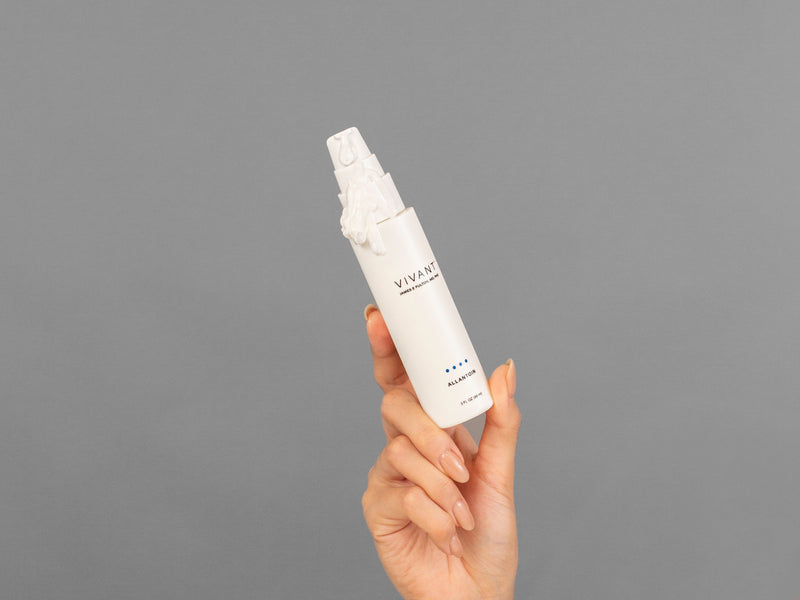
  • Vivant

    Allantoin

    5.0 out of 5.0 stars

    $44.00

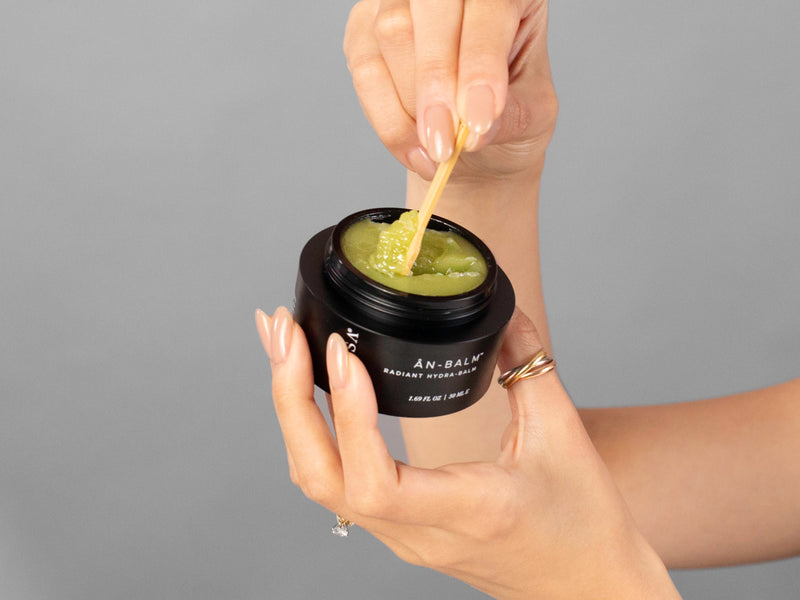
  • Anfisa

    Γ‚N-BALM

    4.8 out of 5.0 stars

    From $64.00

  • Environ

    $72.00

  • SkinBetter Science

    Better Balance Duo

    4.7 out of 5.0 stars

    $185.00

  • Biojuve

    Biojuve Travel Kit

    4.5 out of 5.0 stars

    $70.00

  • SIV

    Biome Balancing Serum

    4.8 out of 5.0 stars

    From $68.00

  • SkinBetter Science

    BioRewind

    5.0 out of 5.0 stars

    From $135.00

  • Hale & Hush

    $34.00

  • Plated

    Calm Serum

    5.0 out of 5.0 stars

    $258.00

  • Face Reality

    Calming Facial Toner

    4.8 out of 5.0 stars

    $32.00

  • Vivant

    Cleansing Milk

    5.0 out of 5.0 stars

    $26.00

  • Vivant

    Green Tea Antioxidant Cleanser

    4.5 out of 5.0 stars

    From $24.00

  • GlyMed

    $104.00

  • Hydrinity

    Hyacyn Active Purifying Mist

    4.9 out of 5.0 stars

    $59.00

  • iS Clinical

    Hydra-Cool Serum

    5.0 out of 5.0 stars

    $108.00

  • Epicutis

    Hydrobiome Mist

    4.8 out of 5.0 stars

    $75.00

  • Epicutis

    Hyvia Creme

    4.9 out of 5.0 stars

    $195.00

  • Biojuve

    Living Biome Essentials Serum Duo

    4.9 out of 5.0 stars

    $220.00

  • Epicutis

    $175.00

  • GlyMed

    Mattifying Sulfur Masque

    4.8 out of 5.0 stars

    $50.00

  • Hale & Hush

    $36.00

  • SkinBetter Science

    Mystro Active Balance Serum

    4.8 out of 5.0 stars

    From $115.00

  • Epicutis

    Oil Cleanser

    4.9 out of 5.0 stars

    $85.00

More Skin Concern Guides

View all

Illustration of a young woman with fair skin, with small dark blackheads across her nose and tiny pale whiteheads on her forehead.
  • by Laziza Strait

Blackheads and Whiteheads: What Clogs a Pore and How to Clear It

Blackheads and whiteheads are clogged pores that have not turned red or sore. Here is what forms the plug, why many nose blackheads are something else, and how to clear them.

Read moreabout Blackheads and Whiteheads: What Clogs a Pore and How to Clear It

Close illustration of the eyes of a South Asian woman with medium-brown skin, with darker brown-purple shadows beneath both eyes.
  • by Laziza Strait

Dark Circles: What Causes Them and What Skincare Can Change

Dark circles come from extra pigment, blood vessels showing through thin skin, or shadow from a hollow under the eye. Here is how to tell which you have and what skincare can change.

Read moreabout Dark Circles: What Causes Them and What Skincare Can Change

Illustration of an East Asian woman in her late fifties with fine crisscross lines on her cheek, beside a magnified circle showing stiff, tangled collagen fibres.
  • by Laziza Strait

Glycation: How Sugar Stiffens Skin and What Can Slow It

Glycation is sugar bonding to the collagen in your skin, leaving it stiffer and more yellow over the years. Here is how it happens, what speeds it up and what can slow it down.

Read moreabout Glycation: How Sugar Stiffens Skin and What Can Slow It