7 min read

A red mark from a breakout can outlast the breakout by months, and new breakouts, picking and sun can keep it red for longer still. That red mark is called PIE. Calm, gentle skincare and daily sunscreen give the small blood vessels under each mark the chance to settle, and the marks fade.

The short answer

Post-inflammatory erythema, or PIE, is redness left behind by small blood vessels that widened while a breakout was inflamed. It fades as those vessels settle, which takes months. Calming ingredients such as niacinamide, azelaic acid and tranexamic acid, a gentle routine and daily sunscreen help it settle sooner. Deep or stubborn redness responds to in-clinic laser and light devices that target blood vessels.

Read time 7 min
Suits All skin types, Acne-prone
Diagram of a round red mark with four icons pointing toward it: sun, heat, picking and new breakouts.
Anything that inflames the area or widens blood vessels again keeps a red mark from fading.

What PIE is

PIE stands for post-inflammatory erythema. Erythema means redness, and post-inflammatory means it comes after inflammation. Inflammation is your immune system's response to a breakout, and it is why the breakout was red, swollen and sore.

When a breakout is inflamed, your body sends extra blood to the area to bring in the immune cells that fight the bacteria and repair the skin. To do that, the tiny blood vessels near the surface widen.

Once the breakout heals, those vessels do not shrink back straight away. The red, pink or purple mark you see is blood showing through the skin from vessels that are still wider than the ones around them.

Why red marks last

Most PIE fades on its own as the blood vessels settle back to their usual size. Anything that keeps the area inflamed, or that widens blood vessels again, keeps the mark red for longer.

New breakouts in the same area are the main reason. Picking and squeezing come next. They make marks darker and slower to fade, because squeezing can push a breakout deeper and make it more inflamed. Heat widens blood vessels too, which is why marks look redder after hot showers, saunas, exercise or alcohol. Sun adds inflammation of its own, and strong exfoliation or a stripped barrier irritates the skin over the marks.

PIE, PIH or something else?

PIH, or post-inflammatory hyperpigmentation, is a brown, tan or gray mark made of extra pigment, called melanin, that the skin produced during the inflammation. PIE is redness from blood vessels, and PIH is pigment. Red marks and brown marks often appear together, especially in the weeks after a breakout heals. If you are not sure which kind you have, the glass test in Dark Marks After Breakouts takes a few seconds and tells you. Redness that fades under the pressure of the glass is PIE.

PIE is easiest to see on lighter skin tones. On deeper skin tones it can look darker red or purple, and it often sits alongside brown marks, which means both kinds of care are needed at once.

Marks that are raised or sunken are scarring, which is a separate concern. Redness across your cheeks and nose that comes and goes with flushing, without breakouts, is more likely to be rosacea, covered in Rosacea.

Diagram of two skin cross-sections: an inflamed breakout with widened blood vessels beneath it, and the same area after healing, with a flat surface but the vessels still wide and a pink tint showing through.
The skin heals before the blood vessels underneath settle, which is why a red mark stays after the breakout has gone.

How to help PIE fade

PIE fades on its own as the blood vessels settle. Skincare helps it fade sooner by stopping new inflammation, by calming the skin and supporting your barrier so nothing keeps the vessels wide, and by protecting the skin from sun and heat. Marks that have not faded after many months respond to in-clinic devices, covered below.

Stop new marks forming

Managing the breakouts that cause PIE matters more than anything you put on the marks themselves, because new marks keep appearing wherever inflammation does. If your breakouts are still red and sore, start with Inflamed Acne. Keep your hands off healing breakouts, and let any scab come away on its own.

Calm and protect the skin

Calming ingredients reduce the inflammation that keeps the vessels wide. Barrier ingredients strengthen your barrier, the outer layer of skin that holds water in and keeps irritants out, which helps the skin over the marks heal. Most of these have their own article in the Ingredients that help section below.

Niacinamide calms redness and supports your barrier, and it works on brown marks too, which helps when you have both.

Azelaic acid calms redness and works on breakouts and brown marks at the same time, which makes it especially useful while you are still breaking out.

Tranexamic acid calms inflammation, and a few small studies suggest it can reduce redness after acne.

Vitamin C is an antioxidant, an ingredient that neutralizes the unstable molecules sun creates in your skin. That protects the skin from the inflammation sun causes, and it works well under your sunscreen in the morning.

Panthenol and ectoin hydrate and calm the skin and support your barrier, which helps healing skin stay comfortable.

Beta glucan is a sugar found in oats, yeast and mushrooms. It hydrates and helps skin heal, and in the clinic we see it help red marks settle.

Fulvic acid forms as plants break down in soil. It acts as an antioxidant and calms inflammation, and we see it help with PIE, although its research on skin is still early.

Be gentle with exfoliation

An exfoliant loosens the dead skin cells on the surface so they shed. Exfoliation does not directly fade PIE, because the redness sits below the surface layers an exfoliant works on. If you use an exfoliant for breakouts, keep it at a frequency your skin is comfortable with, since irritation keeps the marks red.

Wear sunscreen every day

Wear broad spectrum SPF 30 or higher every morning, and reapply it throughout the day. Mineral sunscreens with zinc oxide are often comfortable on healing skin, and a tinted formula evens out the look of red marks while they fade.

When in-clinic options help

A trained provider can use laser and light devices that target blood vessels, such as the pulsed dye laser, which are the most studied option for PIE. These devices close down the widened vessels directly, which skincare cannot do. They suit marks that have not faded after six months or more, or when someone would rather not wait. A doctor may also prescribe a cream that narrows blood vessels.

Common questions

How long does PIE take to fade?

Most red marks fade over three to six months, and some take a year or longer, especially after deep breakouts. A calm routine and daily sunscreen shorten that.

Around week six is where people tend to lose patience, because the marks are lighter but still there. Keep going without adding anything new. The photo routine in the How to use it section below makes slow fading easier to see.

Will PIE go away on its own?

Yes, usually. As the blood vessels settle, the redness fades without help, as long as new breakouts and irritation are not adding to it. Marks that are still red after a year are worth showing to a doctor.

Will pigment products fade red marks?

No, not directly. Pigment ingredients work on excess pigment, and PIE has none. The exceptions are ingredients that also calm inflammation, such as niacinamide, azelaic acid and tranexamic acid, which is why they appear in both plans.

Can I help PIE fade during pregnancy?

Yes, with some ingredient changes. Azelaic acid is commonly used in pregnancy, and vitamin C and niacinamide are generally considered safe. Most retinoids are avoided. Other ingredients depend on your doctor's advice and your own preference, so check with your OB or midwife.

How to use it

  • Manage the breakouts causing the marks, since new marks appear wherever inflammation does.
  • Use a calming ingredient such as niacinamide, azelaic acid or tranexamic acid every day, on clean, dry skin before your moisturizer.
  • Keep showers and the water on your face lukewarm, since heat makes the redness stronger.
  • Wear broad spectrum SPF 30 or higher every morning, and reapply it throughout the day.
  • Photograph your skin on day one, in the same spot and in natural daylight, and again every four weeks.
Start with the basics Acne 101: What Causes It and How to Manage It With Skincare
Evidence and sources
  • Bae-Harboe YS, Graber EM. Easy as PIE (Postinflammatory Erythema). The Journal of Clinical and Aesthetic Dermatology, 2013. The definition of PIE as redness left after inflamed acne, separate from pigment and from scarring, and the use of pulsed dye laser. Read the paper
  • Kalantari Y, Dadkhahfar S, Etesami I. Post-acne erythema treatment: A systematic review of the literature. Journal of Cosmetic Dermatology, 2022. Laser and light devices, and topical options including tranexamic acid, for red marks after acne. Read the review
  • Kim SJ, Park JY, Shibata T, Fujiwara R, Kang HY. Efficacy and possible mechanisms of topical tranexamic acid in melasma. Clinical and Experimental Dermatology, 2016. Topical tranexamic acid and the number of small blood vessels in the skin. Read the study

A note on the evidence. PIE is well recognized, and research on what helps it is still thin. The systematic review found 18 studies in total, no single standard approach, and a need for more controlled trials. The explanation of PIE as widened blood vessels is widely accepted and fits how well vascular lasers work, but it has been studied far less than the pigment behind brown marks. Tranexamic acid has only a few small studies in PIE itself, and the study on blood vessels listed above was run in melasma rather than PIE, in 23 people, where the change in blood vessels was a trend rather than a firm result. Beta glucan has small studies in wound healing, and fulvic acid has early research on inflamed skin, but neither has been studied in PIE itself. What we describe here combines that research with what we see in the clinic.

Last reviewed

Ingredients that help

What each one does, how it works and how to use it.
Products for PIE

  • SkinBetter Science

    A-Team Duo Kit

    5.0 out of 5.0 stars

    $185.00

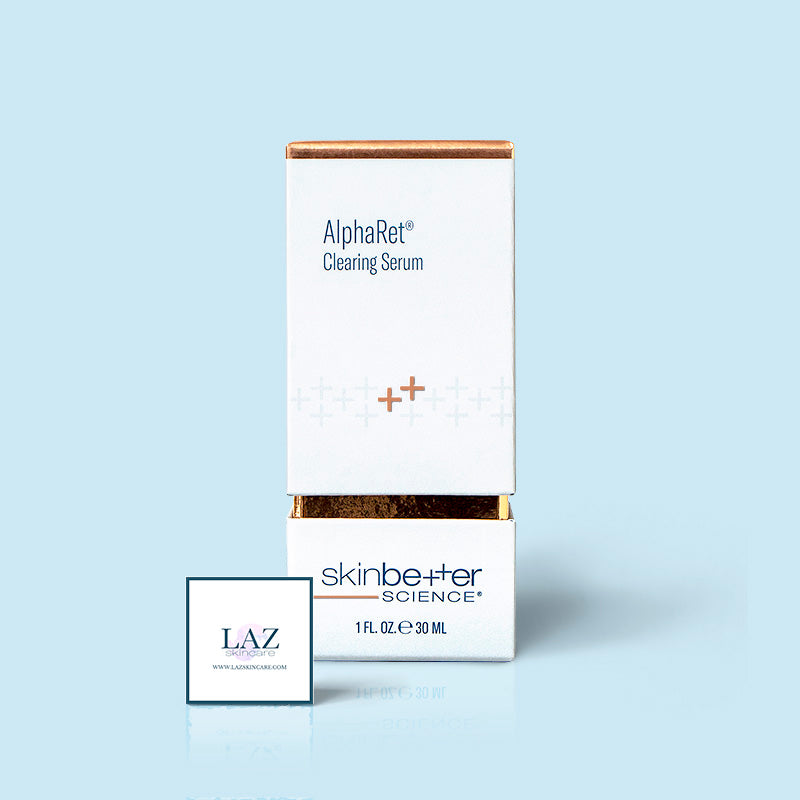
  • SkinBetter Science

    AlphaRet Clearing Serum

    4.8 out of 5.0 stars

    From $145.00

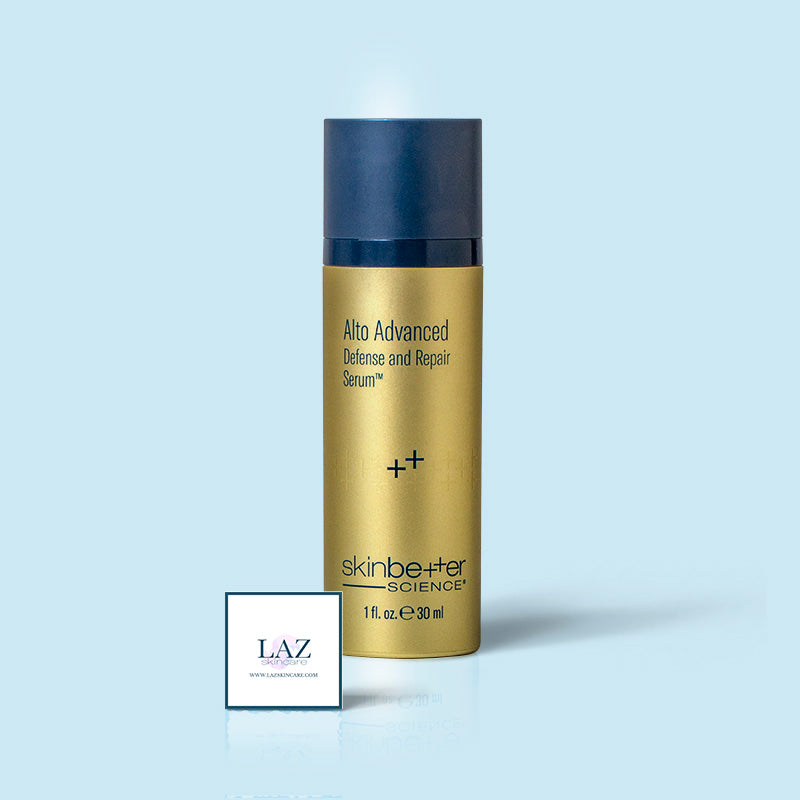
  • SkinBetter Science

    Alto Advanced Defense and Repair Serum

    4.9 out of 5.0 stars

    From $100.00

  • Biojuve

    Biojuve Travel Kit

    4.5 out of 5.0 stars

    $70.00

  • Environ

    From $138.00

  • Plated

    Calm Serum

    5.0 out of 5.0 stars

    $258.00

  • GlyMed

    $104.00

  • Face Reality

    HydraRemedy Gel Serum

    4.9 out of 5.0 stars

    $46.00

  • Plated

    Intense Serum

    4.9 out of 5.0 stars

    From $244.00

  • Epicutis

    $175.00

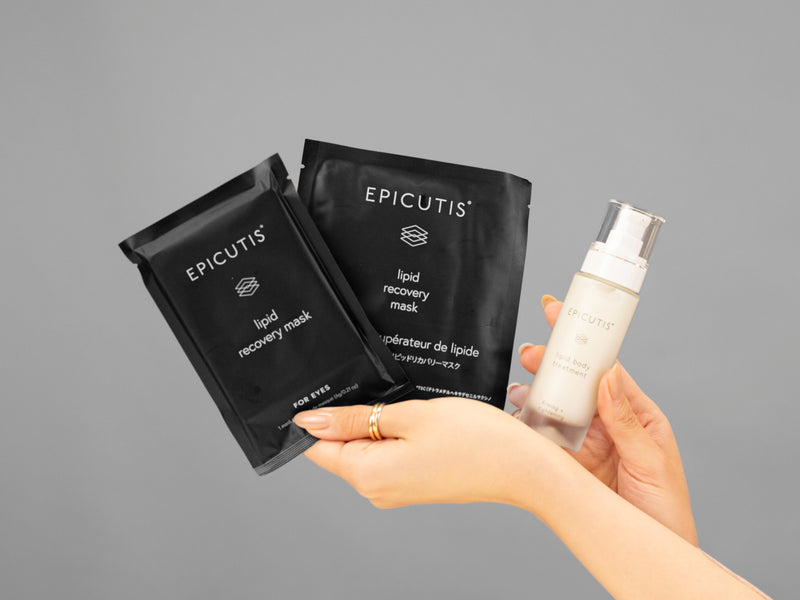
  • Epicutis

    Recovery Care Set

    4.9 out of 5.0 stars

    $85.00

  • Vivant

    $304.00

More Skin Concern Guides

View all

Illustration of a young woman with fair skin, with small dark blackheads across her nose and tiny pale whiteheads on her forehead.
  • by Laziza Strait

Blackheads and Whiteheads: What Clogs a Pore and How to Clear It

Blackheads and whiteheads are clogged pores that have not turned red or sore. Here is what forms the plug, why many nose blackheads are something else, and how to clear them.

Read moreabout Blackheads and Whiteheads: What Clogs a Pore and How to Clear It

Close illustration of the eyes of a South Asian woman with medium-brown skin, with darker brown-purple shadows beneath both eyes.
  • by Laziza Strait

Dark Circles: What Causes Them and What Skincare Can Change

Dark circles come from extra pigment, blood vessels showing through thin skin, or shadow from a hollow under the eye. Here is how to tell which you have and what skincare can change.

Read moreabout Dark Circles: What Causes Them and What Skincare Can Change

Illustration of an East Asian woman in her late fifties with fine crisscross lines on her cheek, beside a magnified circle showing stiff, tangled collagen fibres.
  • by Laziza Strait

Glycation: How Sugar Stiffens Skin and What Can Slow It

Glycation is sugar bonding to the collagen in your skin, leaving it stiffer and more yellow over the years. Here is how it happens, what speeds it up and what can slow it down.

Read moreabout Glycation: How Sugar Stiffens Skin and What Can Slow It