9 min read

A breakout lasts about a week. The brown mark it leaves behind can last six months or more, and picking at the spot or skipping sunscreen while it heals can add months to that.

The short answer

PIH is extra pigment your skin made while it was inflamed, and it fades as your skin renews. A consistent routine shortens that in four ways: it calms the inflammation that creates new marks, reduces the extra pigment, helps the pigmented cells shed sooner and protects your skin from the sun, which keeps marks dark.

Read time 9 min
Suits All skin types, Acne-prone
Diagram of the glass test: a red mark fades under a pressed clear glass, while a brown mark keeps its color.
Red from blood vessels fades under a pressed glass. Brown from pigment keeps its color, and that is PIH.

What PIH is

Pigment, or melanin, is part of your skin's defense system. The cells that make it, called melanocytes, sit at the base of the epidermis, which is the top layer of your skin, and pass melanin up to the skin cells around them.

When your skin is inflamed, the inflammation releases chemical signals. Some of those signals reach the melanocytes nearby and tell them to make more melanin. The inflammation clears, but the extra melanin has already been made and passed to the surrounding skin cells. That is the brown mark left where the breakout was.

PIH is excess pigment, sitting on top of your natural tone. The ingredients that fade it work on that excess, and at the strengths used in skincare they do not noticeably lighten your natural skin tone.

Why some marks are brown and others are gray

Most PIH is epidermal, which means the extra pigment sits in the epidermis. These marks are tan to dark brown, and they fade as that layer renews.

When inflammation is deep or severe, it can damage the cells at the base of the epidermis, and some melanin drops into the dermis, the layer below. Cells there, called melanophages, take that melanin in and hold onto it. These deeper marks look gray or blue-gray rather than brown. They fade far more slowly, often over a year or longer, and sometimes not completely, because your skin's renewal does not reach that layer.

This is worth knowing, because it explains why some marks respond within weeks and others barely change. Ingredients applied topically do most of their work on the brown, epidermal kind.

PIH or PIE?

Press a clear glass firmly onto the mark. If the color fades under the pressure, the mark is red from blood vessels, which is PIE. If the color stays, it is pigment, which is PIH. Many people have both at once, especially in the weeks after a breakout heals.

The pigment ingredients below are for the brown marks. Red marks need a different approach, which Red Marks After Breakouts explains.

What makes PIH last longer

Sun is the biggest factor. Ultraviolet light tells melanocytes to make more pigment, and on deeper skin tones visible light does as well, which means a mark that is already darker than the skin around it darkens further. Tinted sunscreens with iron oxides protect against visible light, which makes them especially helpful for PIH on deeper skin tones.

Picking and squeezing come next. Squeezing a breakout at home can push what is inside it deeper and make it more inflamed, and scrubbing a mark inflames the skin over it. More inflammation means more pigment, which makes the mark darker and slower to fade, and raises the chance of the deeper, gray kind.

Irritation from skincare is the third. Strong exfoliation, high-strength actives and the dryness that follows them inflame the skin. On deeper skin tones, that inflammation can create new marks while you are trying to fade the old ones. Consistency beats strength: steady use of a moderate product does more for PIH than a strong one you have to keep stopping.

Diagram of two skin cross-sections: brown pigment in the top layer for epidermal PIH, and gray-blue pigment held in deeper cells for dermal PIH.
Brown marks sit in the top layer and fade as it renews. Gray marks sit deeper, which is why they take far longer.

How to fade PIH

Fading PIH works on four things at the same time:

  • Stopping new inflammation, so new marks stop forming.
  • Reducing the extra pigment, by slowing how much melanin is made and passed to your skin cells.
  • Helping pigmented cells shed, so the cells carrying the extra pigment shed sooner.
  • Protecting your skin from light, because sun keeps telling melanocytes to make more pigment.

Calm the cause first

If breakouts are still coming, new marks will appear faster than the old ones fade, which makes managing the breakouts the most important part of managing PIH. Inflamed Acne covers how to calm them. The same applies to anything else that keeps inflaming one area, such as shaving bumps or eczema.

What a pigment ingredient does

Your skin makes melanin in steps. A signal tells melanocytes to start, an enzyme called tyrosinase turns raw material into melanin, and the melanocytes pass it to the skin cells around them. A pigment ingredient slows one of those steps, which reduces the extra pigment without stopping your skin making melanin altogether. These are the ones we use most for PIH, and each has its own article in the Ingredients that help section below.

Azelaic acid works on breakouts, redness and pigment at the same time, which makes it especially useful while you are still breaking out. A small 16-week study of azelaic acid gel in adults with acne and PIH found improvement in both.

Niacinamide slows the transfer of pigment from melanocytes to the skin cells around them, and it calms inflammation and supports your barrier as well.

Tranexamic acid quiets the inflammatory signals that tell melanocytes to make more pigment.

Arbutin and kojic acid slow tyrosinase, the enzyme that makes melanin.

Vitamin C is an antioxidant, which means it helps protect your skin from damage caused by sun and pollution. It also slows pigment production, and it works well under your sunscreen in the morning.

Many formulas combine two or three pigment ingredients, because each one slows a different step.

Help the marks shed

Your skin replaces its surface cells all the time, which is called cell turnover. An exfoliant loosens the bonds that hold dead skin cells together, which speeds up cell turnover and brings the pigmented cells to the surface and away sooner.

Mandelic acid suits PIH on acne-prone and deeper skin tones well. It has a larger molecule and enters the skin slowly, and it works on breakouts too. Glycolic acid travels furthest into the skin and helps with texture and fine lines as well. Retinoids, which are forms of vitamin A, speed up cell turnover and work on breakouts, pigment and aging at once. For some people, especially on deeper skin tones, glycolic acid and retinoids cause irritation in the first weeks, and that irritation can trigger new pigment. Start any exfoliant two or three nights a week.

Wear sunscreen every day

Wear broad spectrum SPF 30 or higher every morning, and reapply it throughout the day. On deeper skin tones, a tinted mineral sunscreen with iron oxides adds the protection against visible light described above.

Common questions

How long does PIH take to fade?

With a consistent routine and daily sunscreen, most people see a clear difference in brown marks in eight to twelve weeks, and the marks keep fading over three to six months. Gray or blue-gray marks take longer, often a year or more.

Around week six is where people tend to stop, because the marks look lighter but are still there. Keep going without changing anything. The photo routine in the How to use it section below makes slow progress easier to see.

Will PIH go away on its own?

Yes, brown PIH usually does, as your skin renews, but without help it can take many months. The deeper, gray kind fades very slowly and sometimes needs in-clinic procedures alongside your routine.

Why am I breaking out after starting an exfoliant?

That is usually purging. Exfoliants and retinoids speed up cell turnover, which brings clogged pores that were already forming up to the surface sooner, in the areas where you usually break out. A purge can take three to six months to settle. Leave those breakouts alone, since picking them is what leaves new marks.

Bumps in new areas, burning or itching are different: they mean the product does not suit your skin, and you should stop using it.

Can I apply my pigment product only on the mark?

Yes, for a mark from an occasional pimple, applying it only on that mark is fine. If you break out often or across a wide area, apply it across the whole area, since new marks keep forming wherever breakouts happen.

Can I fade PIH during pregnancy?

Yes, with some ingredient changes. Azelaic acid, mandelic acid and glycolic acid are commonly used in pregnancy, and vitamin C and niacinamide are generally considered safe. Most retinoids are avoided, and some may be acceptable depending on the retinoid. Skincare ingredients are almost never tested on pregnant people, which is why it is best to check anything new with your OB, midwife or doctor.

How to use it

  • Manage the breakouts or irritation causing the marks, since new marks appear wherever inflammation does.
  • Apply your pigment product to clean, dry skin, then follow with your moisturizer.
  • Use a gentle exfoliant two or three nights a week to start, and increase it as your skin allows.
  • Introduce one new product at a time, and give each one two weeks before adding the next.
  • Wear broad spectrum SPF 30 or higher every morning, and reapply it throughout the day.
  • Photograph your skin on day one, in the same spot and in natural daylight, and again every four weeks.
Start with the basics Pigmentation 101: What Causes Dark Spots and How to Manage Them With Skincare
Evidence and sources
  • Davis EC, Callender VD. Postinflammatory Hyperpigmentation: A Review of the Epidemiology, Clinical Features, and Treatment Options in Skin of Color. The Journal of Clinical and Aesthetic Dermatology, 2010. The epidermal and dermal forms, why deeper marks look gray, and why irritation makes PIH worse. Read the review
  • Kaufman BP, Aman T, Alexis AF. Postinflammatory Hyperpigmentation: Epidemiology, Clinical Presentation, Pathogenesis and Treatment. American Journal of Clinical Dermatology, 2018. How inflammation leads to excess pigment, and why PIH is more common on deeper skin tones. Read the review
  • Kircik LH. Efficacy and Safety of Azelaic Acid (AzA) Gel 15% in the Treatment of Post-Inflammatory Hyperpigmentation and Acne: A 16-Week, Baseline-Controlled Study. Journal of Drugs in Dermatology, 2011. The azelaic acid study described above, in 20 adults. Read the study
  • He X, Jin S, Dai X, Chen L, Xiang L, Zhang C. The Emerging Role of Visible Light in Melanocyte Biology and Skin Pigmentary Disorders: Friend or Foe? Journal of Clinical Medicine, 2023. Visible light and pigment in deeper skin tones, and iron oxide tinted sunscreen. Read the review

A note on the evidence. PIH itself is well described. Many trials of pigment ingredients were run in melasma rather than PIH, since both involve the same pigment pathway. The azelaic acid study was small and had no comparison group, which makes it an encouraging result rather than a settled one. What we describe here combines that research with what we see in the clinic.

Last reviewed

Ingredients that help

What each one does, how it works and how to use it.

Products for PIH

  • SkinBetter Science

    A-Team Duo Kit

    5.0 out of 5.0 stars

    $185.00

  • iS Clinical

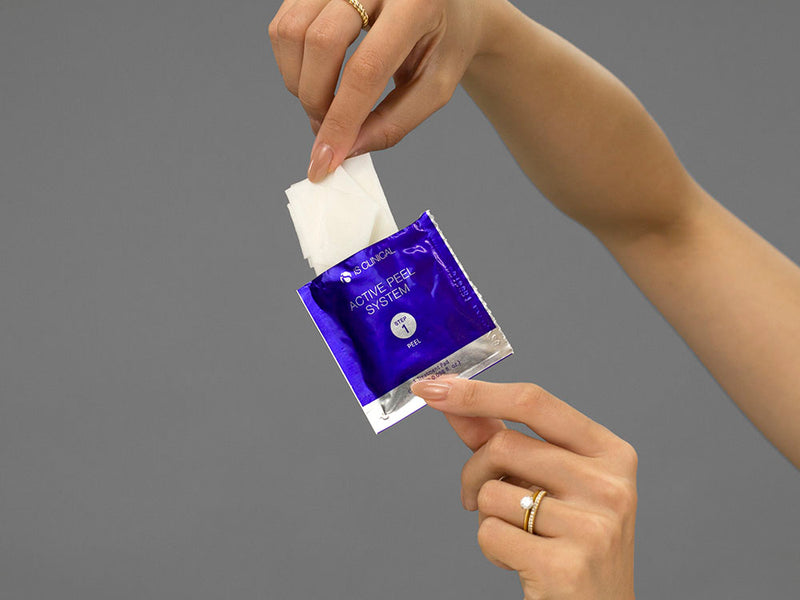
    Active Peel System

    5.0 out of 5.0 stars

    $99.00

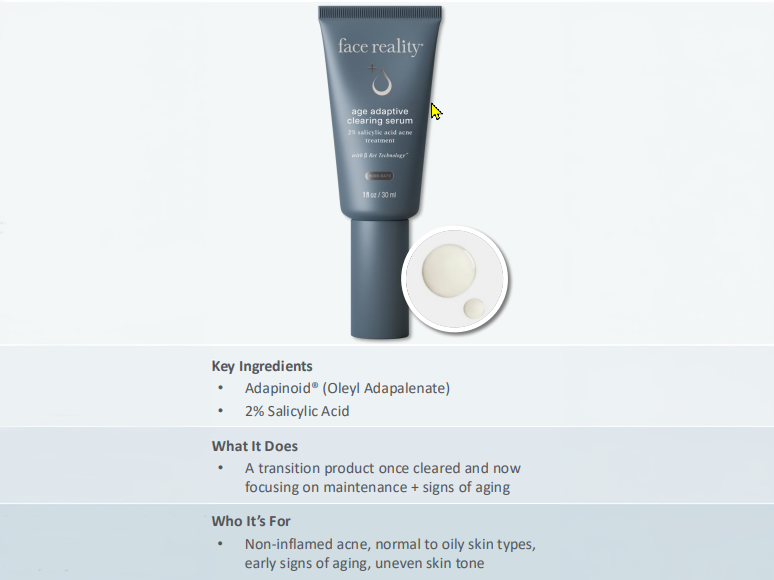
  • Face Reality

    $76.00

  • SkinBetter Science

    AlphaRet Clearing Serum

    4.8 out of 5.0 stars

    From $145.00

  • SkinBetter Science

    AlphaRet Exfoliating Peel Pads

    5.0 out of 5.0 stars

    $130.00

  • SkinBetter Science

    Alto Advanced Defense and Repair Serum

    4.9 out of 5.0 stars

    From $100.00

  • SkinBetter Science

    Alto Defense Serum

    4.9 out of 5.0 stars

    From $175.00

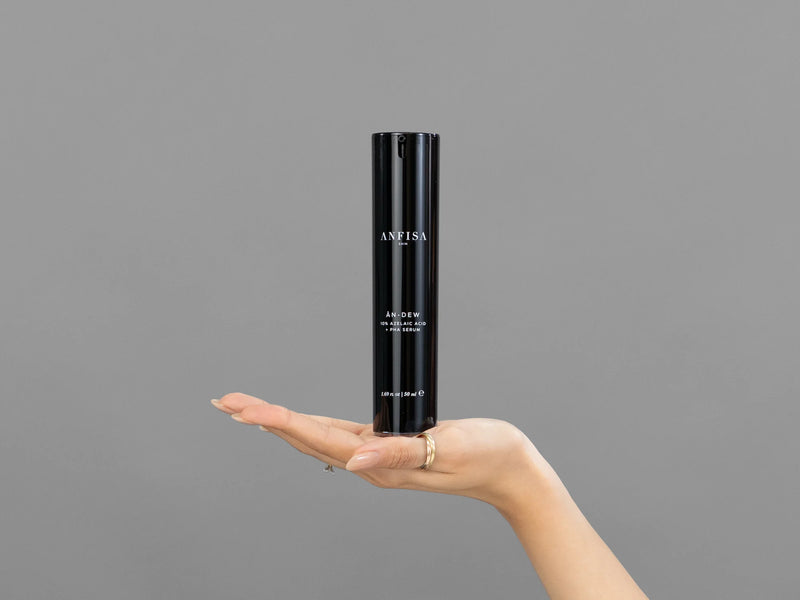
  • Anfisa

    Γ‚N-DEW

    4.9 out of 5.0 stars

    From $125.00

  • Environ

    $72.00

  • Environ

    From $86.00

  • Biojuve

    Biojuve Travel Kit

    4.5 out of 5.0 stars

    $70.00

  • Face Reality

    Brighten-C Mask

    4.7 out of 5.0 stars

    $49.00

  • Revision

    Brightening Facial Wash

    5.0 out of 5.0 stars

    $47.00

  • GlyMed

    Brilliant Tone

    5.0 out of 5.0 stars

    $102.00

  • Revision

    From $120.00

  • Environ

    From $138.00

  • Hale & Hush

    From $26.00

  • Vivant

    $86.00

  • GlyMed

    Daily Skin Clarifier

    5.0 out of 5.0 stars

    $51.00

  • Vivant

    $220.00

  • Environ

    $126.00

  • Vivant

    Derm-A-Gel

    4.0 out of 5.0 stars

    $86.00

  • GlyMed

    Diamond Bright Skin Illuminator

    5.0 out of 5.0 stars

    $82.00

More Skin Concern Guides

View all

Illustration of a young woman with fair skin, with small dark blackheads across her nose and tiny pale whiteheads on her forehead.
  • by Laziza Strait

Blackheads and Whiteheads: What Clogs a Pore and How to Clear It

Blackheads and whiteheads are clogged pores that have not turned red or sore. Here is what forms the plug, why many nose blackheads are something else, and how to clear them.

Read moreabout Blackheads and Whiteheads: What Clogs a Pore and How to Clear It

Close illustration of the eyes of a South Asian woman with medium-brown skin, with darker brown-purple shadows beneath both eyes.
  • by Laziza Strait

Dark Circles: What Causes Them and What Skincare Can Change

Dark circles come from extra pigment, blood vessels showing through thin skin, or shadow from a hollow under the eye. Here is how to tell which you have and what skincare can change.

Read moreabout Dark Circles: What Causes Them and What Skincare Can Change

Illustration of an East Asian woman in her late fifties with fine crisscross lines on her cheek, beside a magnified circle showing stiff, tangled collagen fibres.
  • by Laziza Strait

Glycation: How Sugar Stiffens Skin and What Can Slow It

Glycation is sugar bonding to the collagen in your skin, leaving it stiffer and more yellow over the years. Here is how it happens, what speeds it up and what can slow it down.

Read moreabout Glycation: How Sugar Stiffens Skin and What Can Slow It