9 min read

Melasma can take months of steady work to fade, and one hot summer can bring much of it back, even if you wear sunscreen every day, because heat darkens it too. It responds best to a plan that protects against light and heat every day, and that keeps going after the patches have faded.

The short answer

Melasma is a long-term pigment condition in which pigment cells in certain areas of the face overreact to hormones, light and heat. It can be managed well, and it tends to return when protection lapses. Managing it means a tinted sunscreen every day, keeping your skin cool, and pigment ingredients such as tranexamic acid, azelaic acid and niacinamide used consistently. Once the patches fade, a lighter maintenance routine keeps them from returning.

Read time 9 min
Suits All skin types, Sensitive

What melasma is

Pigment, or melanin, is made by cells called melanocytes, which sit at the base of the top layer of your skin and pass melanin up to the skin cells around them. In melasma, the melanocytes in certain areas of the face become overactive. There are not more of them. They make more pigment than the melanocytes next to them, and they respond more strongly to the same light, heat and hormones.

It helps to know that melasma is excess pigment in those patches, sitting on top of your natural tone. The ingredients that help work on that excess, and at the strengths used in skincare they do not noticeably lighten your natural skin tone.

Research has also found more small blood vessels in melasma patches, and changes in the layer of skin beneath them. This is worth knowing, because it explains why melasma behaves differently from other dark marks, and why an ingredient that works on the blood vessel side as well as the pigment, such as tranexamic acid, suits it especially well.

What sets melasma off

Hormones. Pregnancy and hormonal contraception are the triggers people report most often. In one large review, melasma started during pregnancy or while taking the pill for about 40 to 50 percent of the women who had it. Melasma that appears in pregnancy is sometimes called the mask of pregnancy.

Ultraviolet light. Sun is the main reason melasma darkens. UVA passes through clouds and window glass, which means patches can darken on days spent mostly indoors beside a window.

Visible light. The light you can see also tells melanocytes to make pigment, especially on medium and deeper skin tones. Untinted sunscreens are designed for UV. Iron oxides, the pigments that give tinted sunscreens their color, protect against visible light as well.

Heat. Many people notice their melasma darkens with heat from a hot kitchen, a sauna or hot yoga, even without much sun. The research on heat is less developed than the research on light, and it matches what we see in the clinic.

Irritation. Harsh scrubs, strong peels and products that sting inflame the skin, and inflamed skin makes more pigment. Deeper skin pigments much easier, which is why irritation matters even more on deeper skin tones.

Why melasma comes back

Melasma fades with a good routine, and the tendency to make extra pigment in those areas stays. A summer of sun and heat, even with daily sunscreen, another pregnancy or a change in hormones can bring the color back. That is why the routine that keeps melasma faded matters as much as the routine that faded it.

Melasma that started in pregnancy often fades in the year after the baby is born, sometimes completely and sometimes partly. Melasma linked to the pill tends to last longer. If you think a hormone is involved, talk it through with your doctor rather than stopping a medication on your own.

Melasma, PIH or sun spots?

Melasma forms larger, blotchy patches with soft edges, usually on both sides of the face in a similar pattern, and it does not follow a breakout or an injury.

PIH appears exactly where your skin was inflamed, after a breakout, a bite or a rash, and it fades steadily once the inflammation stops.

Sun spots are small, defined spots with clear edges on the areas that have had the most sun over the years, such as the cheekbones, the backs of the hands and the shoulders.

Many people have more than one at once, and the routine below helps all three.

Diagram of a pigment cell at the base of the top skin layer, with arrows from hormones, UV light, visible light and heat all pointing to it.
Hormones, sun, visible light and heat all act on the same overactive pigment cells, which is why melasma rarely has a single cause.

How to manage melasma

Protect against light every day

Daily protection is the most important step, because it protects the results of everything else you do. Wear broad spectrum SPF 30 or higher every morning, and reapply it throughout the day. Choose a tinted sunscreen with iron oxides for the added protection against visible light. In a small trial of people with melasma, everyone used the same pigment cream, and those who wore an iron oxide tinted sunscreen improved more over eight weeks than those who wore an untinted one with the same UV protection. A wide-brimmed hat and shade add to that on long days outside.

Keep your skin cool

Because heat can darken melasma, it helps to keep showers lukewarm, limit saunas, steam rooms and hot yoga, and cool your face down with cool water after exercise.

Use pigment ingredients consistently

Pigment ingredients reduce the extra pigment, either by slowing how much is made or by slowing how much reaches your skin cells. These are the ones we use most for melasma, and each has its own article in the Ingredients that help section below.

Tranexamic acid quiets the signals from blood vessels and inflamed skin that tell melanocytes to make more pigment, which is why it suits melasma especially well. A review of 11 studies, which tested several forms including tablets, found it reduced melasma on its own and improved results when it was added to other approaches, with mostly minor side effects. In skincare it comes as a serum. Tranexamic acid tablets are a prescription medicine, and whether they suit you is a decision for your doctor.

Azelaic acid slows overactive melanocytes and calms inflammation, and it is commonly used during pregnancy, when melasma often starts.

Niacinamide slows the transfer of pigment from melanocytes to the skin cells around them, and it supports your barrier, which helps keep irritation down.

Arbutin and kojic acid slow tyrosinase, the enzyme your skin uses to make melanin.

Vitamin C and glutathione are antioxidants that also slow pigment production. Vitamin C works well under your sunscreen in the morning.

Because each acts on a different step of pigment production, many formulas combine two or three of them.

Keep exfoliation gentle

A gentle exfoliant two or three nights a week helps pigmented cells shed sooner. Keep it steady rather than strong, since the inflammation from an aggressive peel or scrub can darken melasma.

Prescription options

Hydroquinone is a prescription pigment medicine in the US. If you and your doctor decide it suits your melasma, use it exactly as they direct.

Diagram comparing an untinted sunscreen layer that stops UV but lets visible light through with a tinted layer that stops both.
Both sunscreens stop UV. Only the tinted one, with iron oxides, also stops the visible light that darkens melasma.

Common questions

How long does melasma take to fade?

With a tinted sunscreen every day and a consistent routine, most people see the patches lighten in eight to twelve weeks, and they keep fading over three to six months.

Weeks four to six are where people tend to give up, because progress is slow and a sunny weekend can make the patches look darker for a while. Keep going without changing anything. The photo routine in the How to use it section below makes slow progress easier to see.

Will melasma get worse before it gets better?

It can. Pigment has to come up to the surface before it can leave your skin. When an exfoliant or a retinoid speeds up cell turnover, pigment held in cells lower down reaches the surface sooner, so patches can look darker for a few weeks before they fade.

Darkening with stinging, burning or redness is different. That is irritation, which can make melasma darker, so use the product less often or stop it.

Will my melasma ever go away completely?

Yes, for some people, such as melasma that started in pregnancy. For many people, melasma is a condition to manage over the long term rather than clear once, and the patches can become very light and stay that way with daily protection.

Do I need to keep using pigment products once it fades?

Yes, in a lighter form. Once the patches have faded, many people keep one pigment ingredient once a day and a tinted sunscreen every day, all year. Stopping protection altogether is when we most often see melasma return.

Can I manage melasma during pregnancy?

Yes, with some ingredient changes. Azelaic acid is commonly used in pregnancy, and vitamin C and niacinamide are generally considered safe. Most retinoids are avoided. Other pigment ingredients depend on your doctor's advice and your own preference, so check with your OB or midwife. A tinted mineral sunscreen every day is the most useful step while you are pregnant.

How to use it

  • Wear a tinted broad spectrum SPF 30 or higher with iron oxides every morning, and reapply it throughout the day.
  • Apply your pigment product to clean, dry skin, then follow with your moisturizer.
  • Apply pigment products across the whole area where melasma appears, not only on the darkest patches.
  • Introduce one new product at a time, and give each one two weeks before adding the next.
  • Once the patches have faded, keep one pigment ingredient and your tinted sunscreen as a maintenance routine.
  • Photograph your skin on day one, in the same spot and in natural daylight, and again every four weeks.
Start with the basics Pigmentation 101: What Causes Dark Spots and How to Manage Them With Skincare
Evidence and sources
  • Handel AC, Miot LDB, Miot HA. Melasma: a clinical and epidemiological review. Anais Brasileiros de Dermatologia, 2014. Hormonal and light triggers, the 40 to 50 percent figure for pregnancy and the pill, the blood vessel findings, and how often melasma returns. Read the review
  • Kim HJ, Moon SH, Cho SH, Lee JD, Kim HS. Efficacy and Safety of Tranexamic Acid in Melasma: A Meta-analysis and Systematic Review. Acta Dermato-Venereologica, 2017. The review of 11 studies of tranexamic acid described above. Read the review
  • Castanedo-Cazares JP, Hernandez-Blanco D, Carlos-Ortega B, Fuentes-Ahumada C, Torres-Álvarez B. Near-visible light and UV photoprotection in the treatment of melasma: a double-blind randomized trial. Photodermatology, Photoimmunology & Photomedicine, 2014. The eight-week trial comparing iron oxide tinted sunscreen with untinted sunscreen. Read the study

A note on the evidence. Melasma itself is well described, and research on what helps is growing. Many tranexamic acid studies are small and short, and they use different strengths and routes, which makes them hard to compare. The sunscreen trial had 68 participants, lasted eight weeks, and everyone in it also used a prescription pigment cream. The darker phase some people see in the first weeks has not been studied closely. What we describe here, including that phase, combines that research with what we see in the clinic.

Last reviewed

Ingredients that help

What each one does, how it works and how to use it.

Products for Melasma

  • SkinBetter Science

    A-Team Duo Kit

    5.0 out of 5.0 stars

    $185.00

  • SkinBetter Science

    AlphaRet Exfoliating Peel Pads

    5.0 out of 5.0 stars

    $130.00

  • SkinBetter Science

    AlphaRet Overnight Cream

    5.0 out of 5.0 stars

    From $76.00

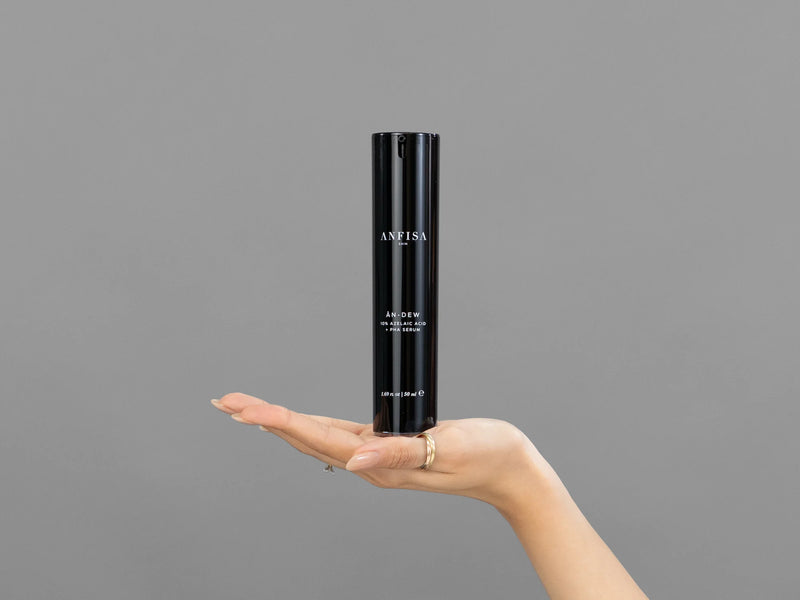
  • Anfisa

    Γ‚N-DEW

    4.9 out of 5.0 stars

    From $125.00

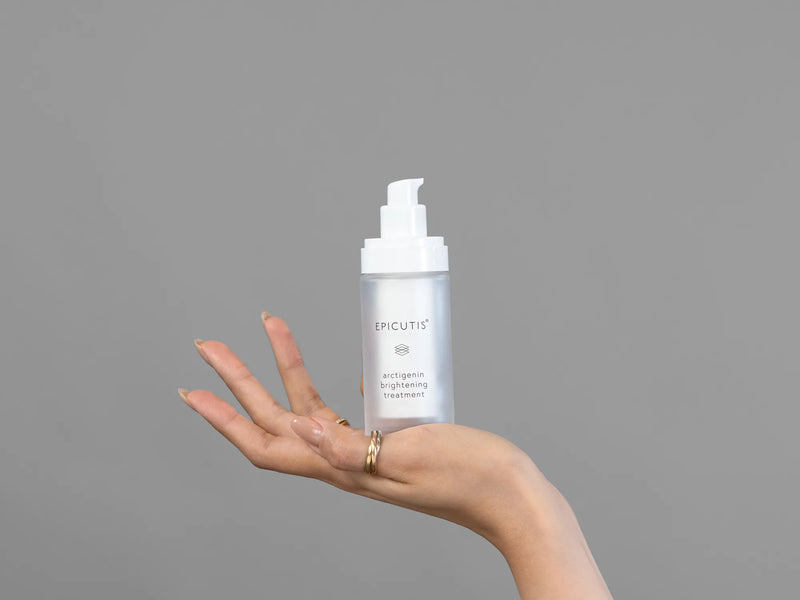
  • Epicutis

    Arctigenin Brightening Treatment

    5.0 out of 5.0 stars

    $175.00

  • Environ

    $72.00

  • SkinBetter Science

    BioRewind

    5.0 out of 5.0 stars

    From $135.00

  • Face Reality

    Brighten-C Mask

    4.7 out of 5.0 stars

    $49.00

  • Revision

    Brightening Facial Wash

    5.0 out of 5.0 stars

    $47.00

  • GlyMed

    Brilliant Tone

    5.0 out of 5.0 stars

    $102.00

  • Revision

    From $120.00

  • Lumisque

    CO2Lift Carboxy Mousse Moisturizer

    4.8 out of 5.0 stars

    Sale price $225.00 Regular price $249.00

  • Vivant

    $220.00

  • GlyMed

    Diamond Bright Skin Illuminator

    5.0 out of 5.0 stars

    $82.00

  • Pavise

    Dynamic Age Defense SPF 30

    4.7 out of 5.0 stars

    From $52.00

  • SkinBetter Science

    From $70.00

  • SkinBetter Science

    Even Tone Correcting Serum

    4.8 out of 5.0 stars

    $170.00

  • Vivant

    $94.00

  • Face Reality

    GlowTone Corrective Serum

    4.8 out of 5.0 stars

    $64.00

  • SkinBetter Science

    Intensive AlphaRet Overnight Cream

    4.9 out of 5.0 stars

    From $145.00

  • Environ

    $102.00

  • GlyMed

    Pigment Brightening Serum

    5.0 out of 5.0 stars

    $50.00

More Skin Concern Guides

View all

Illustration of a young woman with fair skin, with small dark blackheads across her nose and tiny pale whiteheads on her forehead.
  • by Laziza Strait

Blackheads and Whiteheads: What Clogs a Pore and How to Clear It

Blackheads and whiteheads are clogged pores that have not turned red or sore. Here is what forms the plug, why many nose blackheads are something else, and how to clear them.

Read moreabout Blackheads and Whiteheads: What Clogs a Pore and How to Clear It

Close illustration of the eyes of a South Asian woman with medium-brown skin, with darker brown-purple shadows beneath both eyes.
  • by Laziza Strait

Dark Circles: What Causes Them and What Skincare Can Change

Dark circles come from extra pigment, blood vessels showing through thin skin, or shadow from a hollow under the eye. Here is how to tell which you have and what skincare can change.

Read moreabout Dark Circles: What Causes Them and What Skincare Can Change

Illustration of an East Asian woman in her late fifties with fine crisscross lines on her cheek, beside a magnified circle showing stiff, tangled collagen fibres.
  • by Laziza Strait

Glycation: How Sugar Stiffens Skin and What Can Slow It

Glycation is sugar bonding to the collagen in your skin, leaving it stiffer and more yellow over the years. Here is how it happens, what speeds it up and what can slow it down.

Read moreabout Glycation: How Sugar Stiffens Skin and What Can Slow It