Melasma can take months of steady work to fade, and one hot summer can bring much of it back, even if you wear sunscreen every day, because heat darkens it too. It responds best to a plan that protects against light and heat every day, and that keeps going after the patches have faded.
The short answer


How to use it
Last reviewed
What each one does, how it works and how to use it.

Tranexamic acid quiets the signal that tells your skin to make pigment, and it calms the blood vessels that keep melasma coming back. Here is why it works when other brighteners do not.
Read about it
Azelaic acid treats breakouts, redness and the dark marks left behind at the same time, and is gentle enough to use in pregnancy. Here is how it works and how to use it.
Read about it
Niacinamide calms redness, strengthens the barrier, evens pigment and regulates oil, all without irritation. Here is why four to five percent is the number and how it fits with everything else.
Read about it
Arbutin slows the enzyme your skin uses to make pigment, so dark marks fade as your skin turns over. Here is what it does, who it suits, how to read the label, and how long to give it.
Read about it
Kojic acid blocks the pigment enzyme by taking away the copper it needs, which makes it a strong partner for arbutin. Here is how to use it and why one percent is the number.
Read about it
Vitamin C intercepts the daily damage from sun and pollution, fades dark patches and is required for your skin to build collagen. Here is how it works and which form suits your skin.
Read about it
Glutathione is the antioxidant your own cells make. What it does about everyday damage and uneven tone, and how to choose a product that still works when you open it.
Read about it
Zinc oxide is the only single sunscreen filter that covers the whole ultraviolet range, and it calms skin while it does. Here is how it works and how to wear it without a white cast.
Read about it
Calms redness, supports healing, and protects against environmental damage with powerful antioxidant care.
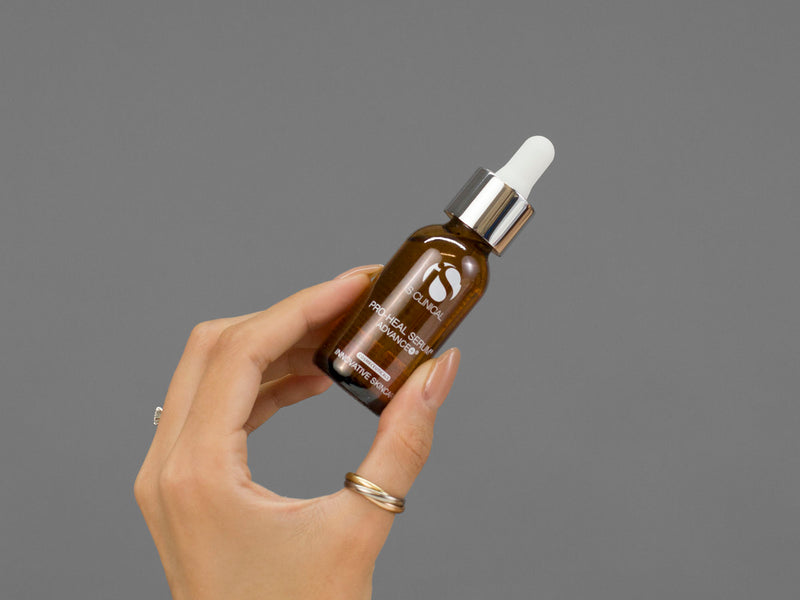
High-potency serum with PTT-6 plus pigment-fading actives to reduce dark spots and even skin tone.

Antioxidant serum for blotchy, dull, or aging skin, and a good first serum from your twenties.

Sensitive-skin-friendly serum for texture, acne, and signs of aging.

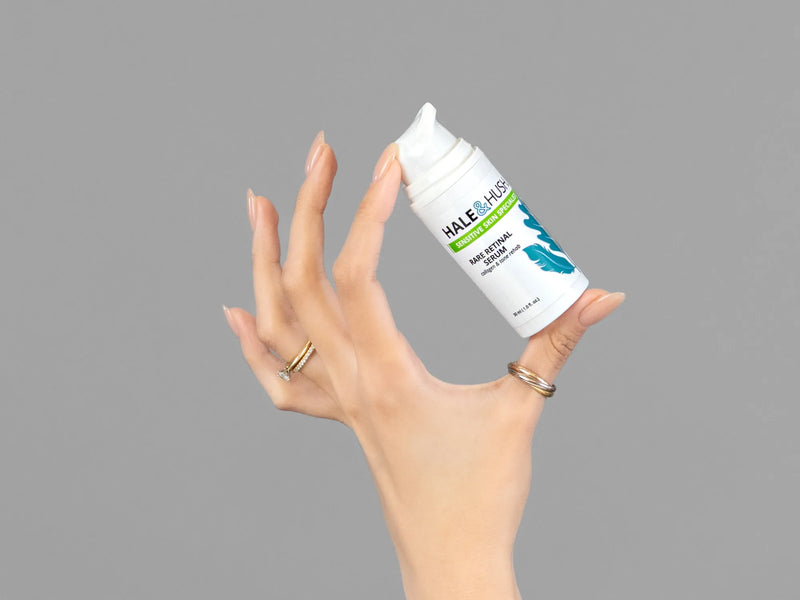
Retinaldehyde serum that smooths lines and improves texture, especially if you are new to retinoids.

Retinol and peptide blend that firms, brightens, and smooths skin, for those already used to a retinoid.

Supports collagen, boosts firmness, and helps reduce discoloration for smoother, more even-toned skin.

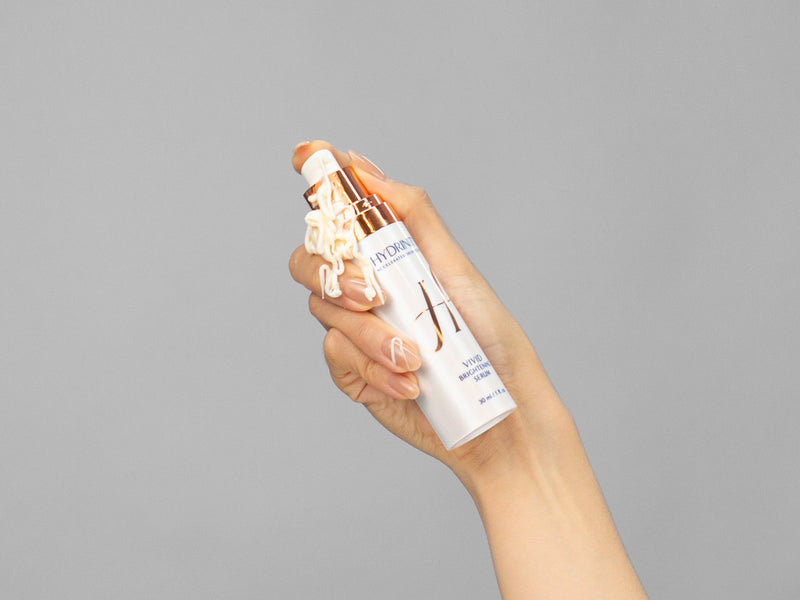
Advanced brightener that cools skin, evens tone, and prevents discoloration.

Blackheads and Whiteheads: What Clogs a Pore and How to Clear It
Blackheads and whiteheads are clogged pores that have not turned red or sore. Here is what forms the plug, why many nose blackheads are something else, and how to clear them.
Read moreabout Blackheads and Whiteheads: What Clogs a Pore and How to Clear It

Dark Circles: What Causes Them and What Skincare Can Change
Dark circles come from extra pigment, blood vessels showing through thin skin, or shadow from a hollow under the eye. Here is how to tell which you have and what skincare can change.
Read moreabout Dark Circles: What Causes Them and What Skincare Can Change

Glycation: How Sugar Stiffens Skin and What Can Slow It
Glycation is sugar bonding to the collagen in your skin, leaving it stiffer and more yellow over the years. Here is how it happens, what speeds it up and what can slow it down.
Read moreabout Glycation: How Sugar Stiffens Skin and What Can Slow It