8 min read

Most people apply far less sunscreen than it takes to reach the SPF on the label, and few reapply after the morning. A few small changes to how you choose and use sunscreen protect your skin from the light behind much of visible aging and most stubborn dark marks.

The short answer

UV protection means shielding your skin from ultraviolet light, which burns, ages skin and darkens pigment. A broad spectrum SPF 30 or higher, applied in the right amount every morning and reapplied through the day, protects against both kinds of UV. Tinted sunscreens add protection against visible light, which matters most for pigment and deeper skin tones. Mineral and chemical filters both work well, and the right sunscreen for you is the one you will actually apply every morning and reapply throughout the day.

Read time 8 min
Suits All skin types, Sensitive

UVA, UVB and visible light

The sunlight reaching your skin includes ultraviolet light, which you cannot see or feel, and visible light, which you can see. Each one does something different to your skin.

UVB is the main cause of sunburn. It acts mostly on the top layer of skin, and it is strongest in the middle of the day and in summer.

UVA reaches deeper, where it breaks down collagen and elastin, the fibers that keep skin firm and springy. It is present all day and all year, and it passes through clouds and window glass. UVA drives much of the aging people see from sun, and it darkens pigment. UVA and UVB both contribute to skin cancer.

Visible light is the light you can see. On medium and deeper skin tones it can darken pigment, and in research that darkening lasted about two weeks. Its effect on lighter skin is much smaller.

You do not have to burn for UVA to break down collagen or darken a mark. That is why protection matters on days that feel cool or cloudy, as well as on beach days.

What SPF and broad spectrum mean

SPF, or sun protection factor, measures protection against UVB, the burning rays. SPF 30 filters about 97 percent of UVB and SPF 50 about 98 percent, which means a higher number adds a little more protection rather than doubling it.

Broad spectrum means the sunscreen also protects against UVA. In the US, a sunscreen can only carry that phrase if it passes a test for UVA protection, which makes it the phrase to look for alongside the SPF. Neither label covers visible light. Protection against visible light comes from iron oxides, the pigments in tinted sunscreens.

SPF is tested with a thick layer of sunscreen. Most people apply much less than that, and with less sunscreen on your skin, the protection you get falls well below the number on the label.

Mineral and chemical filters

Mineral sunscreens use zinc oxide or titanium dioxide, and chemical sunscreens use other UV filters. Mineral filters are often described as sitting on the surface and reflecting UV away like a mirror. That is not how they work. Research measuring this found that zinc oxide and titanium dioxide absorb about 95 percent of the UV reaching them and turn it into a small amount of heat, reflecting only about 5 percent. That is essentially what chemical filters do.

The real difference is where they sit. Mineral filters settle into the topmost layer of skin and stay there, while chemical filters travel a little further into the upper layers. Mineral sunscreens are often more comfortable on reactive skin, and zinc oxide covers both UVA and UVB on its own. Chemical sunscreens tend to feel lighter and leave no white cast, which many people on deeper skin tones prefer. Both protect your skin well, and they suit different situations.

Diagram of a skin cross-section with a UVB arrow stopping in the top layer and UVA and visible light arrows reaching the deeper layer.
UVB burns the surface. UVA and visible light reach deeper, and UVA breaks down collagen, so protection matters even without a burn.

How to wear sunscreen well

Use enough

For your face alone, use about a quarter teaspoon of sunscreen. For your face and neck together, the two-finger rule is an easy measure: two full lines of sunscreen along the length of your index and middle fingers, which is about half a teaspoon. Add a little more for your ears. If that feels like a lot at once, apply it in two thinner layers and let the first settle for a minute before the second.

Reapply through the day

Sunscreen breaks down in sunlight and wears off with sweat, water and touching your face. Reapply every two hours when you are outdoors, and straight after swimming or heavy sweating. On a day spent mostly indoors, reapply before you head outside.

Over makeup, a sunscreen stick, cushion, spray or powder is easier to use. Sprays and powders are the least reliable way to reapply, because it is hard to tell how much reaches your skin, and they are still much better than nothing.

Choose a tint if pigment is a concern

If you have dark marks or melasma, or a deeper skin tone, a tinted sunscreen with iron oxides adds protection against visible light. Tints also help mineral sunscreens blend in on deeper skin tones.

Add an antioxidant underneath

Sunscreen filters most UV but not all of it. What gets through creates unstable molecules called free radicals, which damage collagen and push pigment cells to make more pigment. An antioxidant serum under your sunscreen helps neutralize them. These are the ones we suggest most, and each has its own article in the Ingredients that help section below.

Vitamin C neutralizes free radicals and slows pigment production, and it works well in the morning under sunscreen.

Niacinamide strengthens your barrier, calms redness and slows the transfer of pigment to the skin cells around it.

Glutathione is one of the antioxidants your skin makes itself. Applied topically, it adds to that defense and works on excess pigment.

Antioxidants work alongside sunscreen, never in place of it.

Use shade and timing too

UV is strongest from late morning to mid-afternoon. A wide-brimmed hat, sunglasses and shade during those hours protect the areas sunscreen often misses, such as your hairline, ears and eyelids.

Diagram comparing a thin, patchy sunscreen layer that lets UV arrows through with an even, thicker layer that stops them.
A thin or patchy layer lets UV through the gaps. About a quarter teaspoon for the face gives the protection the label promises.

Common questions

Do deeper skin tones need sunscreen?

Yes. Deeper skin has more melanin, which gives some natural protection against burning. That melanin does not stop UVA from breaking down collagen. Deeper skin pigments much easier, which means sun and visible light darken marks and melasma faster and keep them longer. Skin cancer is less common on deeper skin tones, and it is more often found late, which is one more reason to protect your skin and to show your doctor any spot that changes.

Will sunscreen stop me from getting enough vitamin D?

No, not for most people. Your skin makes vitamin D when UVB reaches it, and sunscreen blocks most UVB, which is why the question comes up. A review of the research found little evidence that sunscreen lowers vitamin D levels when people use it in everyday life. Food and supplements are dependable sources of vitamin D, and if you are concerned about your levels, a blood test with your doctor will show where you stand.

Do I need sunscreen indoors or on cloudy days?

Yes, on most days. UVA passes through clouds and window glass, and a commute, a lunch break and an afternoon beside a window all add up over a day.

Does daily sunscreen make a visible difference?

Yes. In a four-and-a-half-year trial in Australia, adults who applied sunscreen every day showed no detectable increase in skin aging over that time, while those who used it when they chose to did. The daily group had about 24 percent less skin aging.

The results build over years, and the first two weeks with a new sunscreen are where people tend to give up, usually because of how it feels or a white cast. Change the formula rather than stopping. A tinted, chemical or lighter texture often solves it.

Can I wear sunscreen during pregnancy?

Yes. Many people choose mineral sunscreens with zinc oxide or titanium dioxide while pregnant, and daily protection is especially useful because pigment darkens more easily in pregnancy. Skincare ingredients are almost never tested on pregnant people, so check anything new with your OB or midwife.

How to use it

  • Apply broad spectrum SPF 30 or higher every morning as the last step of your skincare, before makeup.
  • Use about a quarter teaspoon for your face alone, or two full lines along your index and middle fingers for your face and neck together.
  • Reapply every two hours outdoors, and straight after swimming or sweating.
  • Choose a tinted sunscreen with iron oxides if you have dark marks, melasma or a deeper skin tone.
  • Apply an antioxidant serum before your sunscreen in the morning.
  • Wear a wide-brimmed hat and sunglasses, and look for shade from late morning to mid-afternoon.
Start with the basics Skincare 101: Know Your Skin, Build Your Basics
Evidence and sources
  • Cole C, Shyr T, Ou-Yang H. Metal oxide sunscreens protect skin by absorption, not by reflection or scattering. Photodermatology, Photoimmunology & Photomedicine, 2016. The measurement showing that zinc oxide and titanium dioxide absorb most of the UV reaching them. Read the study
  • Sklar LR, Almutawa F, Lim HW, Hamzavi I. Effects of ultraviolet radiation, visible light, and infrared radiation on erythema and pigmentation: a review. Photochemical & Photobiological Sciences, 2013. What UVA, UVB and visible light each do to skin, and how long visible light darkening lasts on deeper skin tones. Read the review
  • Hughes MCB, Williams GM, Baker P, Green AC. Sunscreen and prevention of skin aging: a randomized trial. Annals of Internal Medicine, 2013. The four-and-a-half-year trial of daily sunscreen and skin aging. Read the study
  • Neale RE, Khan SR, Lucas RM, Waterhouse M, Whiteman DC, Olsen CM. The effect of sunscreen on vitamin D: a review. British Journal of Dermatology, 2019. The finding that everyday sunscreen use has little effect on vitamin D levels. Read the review

A note on the evidence. UV and sunscreen are among the most studied topics in skincare. The mineral filter measurements came from researchers working with a sunscreen manufacturer. The skin aging trial was large and long, and it used SPF 15, lower than the SPF 30 we suggest today. The vitamin D review notes that high SPF sunscreens have not yet been tested in trials of their own. What we describe here combines that research with what we see in the clinic.

Last reviewed

Products for UV Protection

  • Face Reality

    Brilliant Defense SPF 50

    5.0 out of 5.0 stars

    $42.00

  • Face Reality

    Daily SPF 30 Plus

    4.9 out of 5.0 stars

    $36.00

  • Pavise

    Dynamic Age Defense SPF 30

    4.7 out of 5.0 stars

    From $52.00

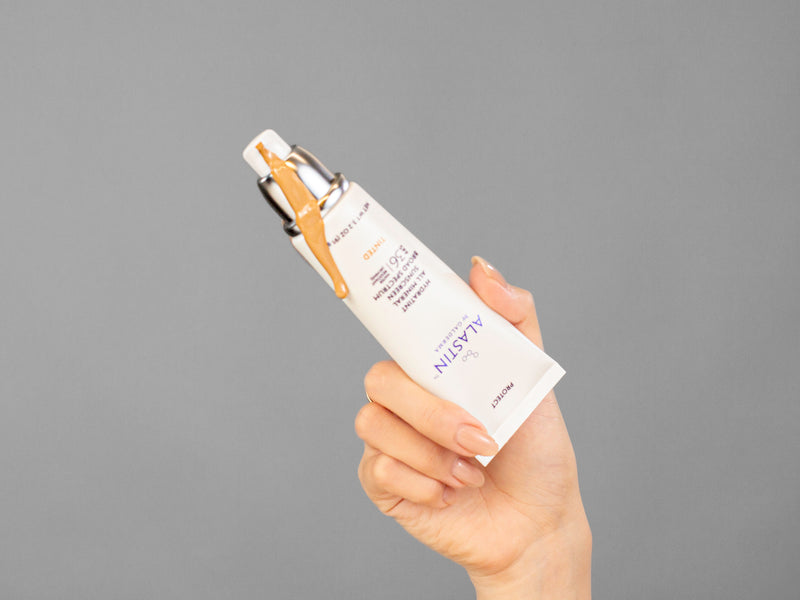
  • Alastin

    Hydratint Pro Mineral Sunscreen SPF 36

    4.9 out of 5.0 stars

    $84.00

  • Epicutis

    Lipid Shield SPF 30

    4.9 out of 5.0 stars

    $90.00

  • Face Reality

    Mineral Matte SPF 28

    4.8 out of 5.0 stars

    $36.00

  • Face Reality

    PowerMineral SPF 50

    4.9 out of 5.0 stars

    $42.00

  • GlyMed

    Pure Glow SPF 60 Oil

    5.0 out of 5.0 stars

    $52.00

  • KrX Aesthetics

    Skin Filter Tinted Sunscreen SPF 50

    4.0 out of 5.0 stars

    $41.00

  • Purito Seoul

    $18.70

  • SkinBetter Science

    sunbetter SHEER SPF 56 Sunscreen Compact

    4.8 out of 5.0 stars

    $70.00

  • SkinBetter Science

    sunbetter SHEER SPF 56 Sunscreen Stick

    4.8 out of 5.0 stars

    $55.00

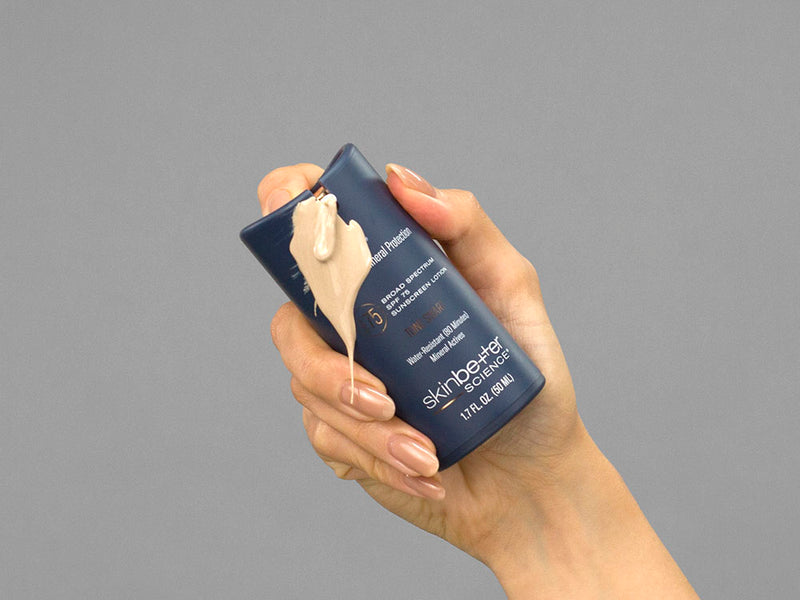
  • SkinBetter Science

    sunbetter SHEER SPF 70 Sunscreen Lotion

    4.8 out of 5.0 stars

    $75.00

  • SkinBetter Science

    $70.00

  • SkinBetter Science

    From $35.00

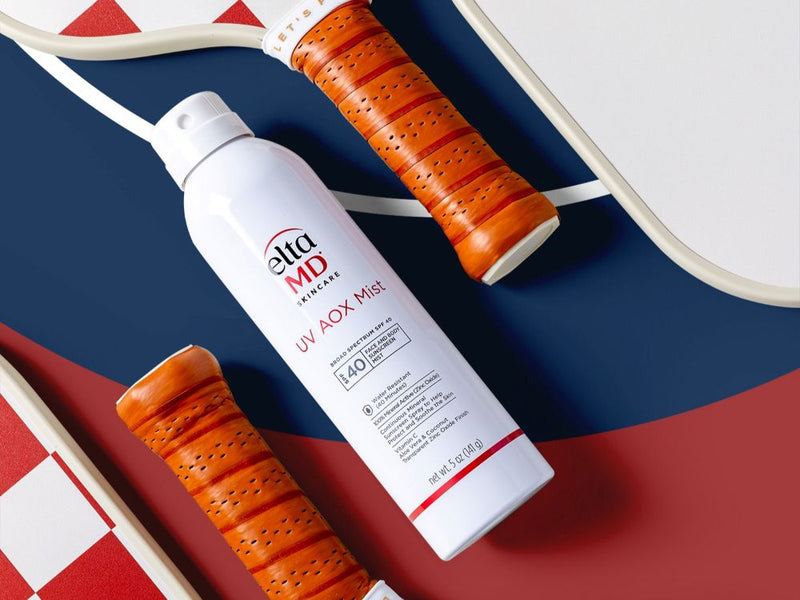
  • EltaMD

    UV AOX Mist SPF 40

    5.0 out of 5.0 stars

    $46.00

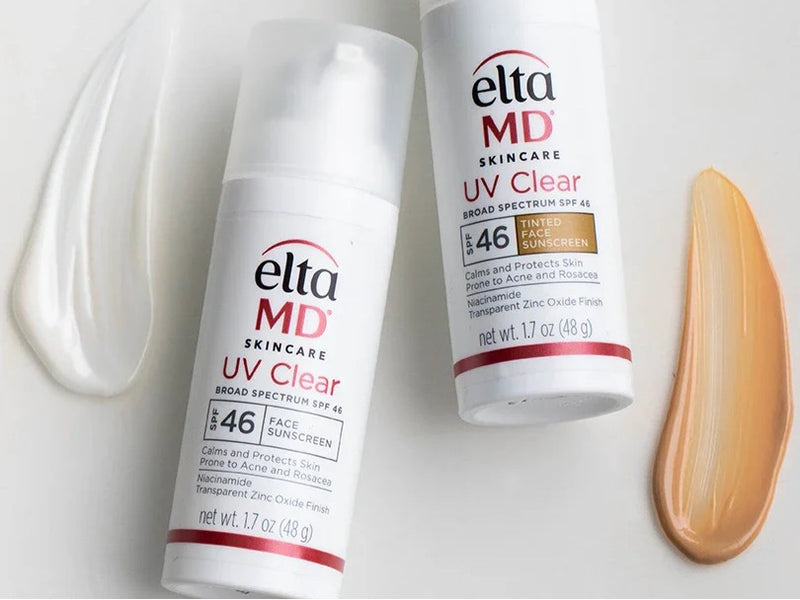
  • EltaMD

    UV Clear SPF 46

    4.8 out of 5.0 stars

    $44.00

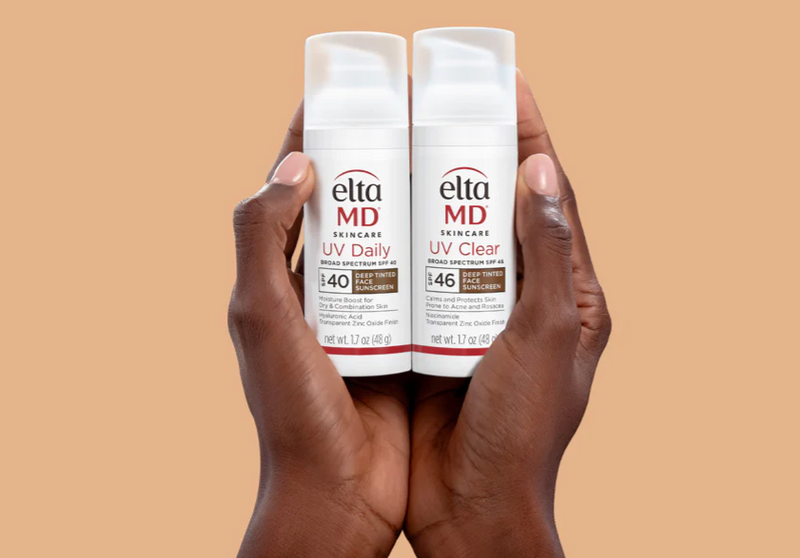
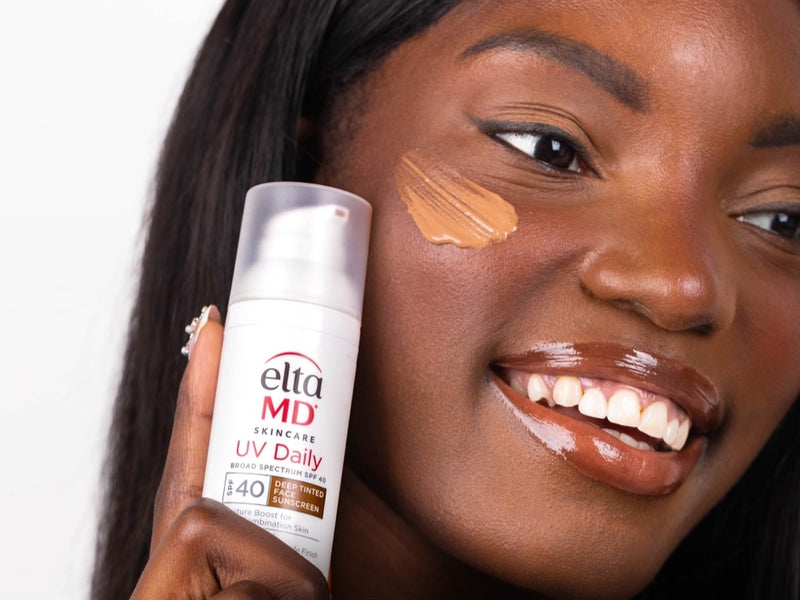
  • EltaMD

    UV Daily SPF 40

    5.0 out of 5.0 stars

    $40.00

  • EltaMD

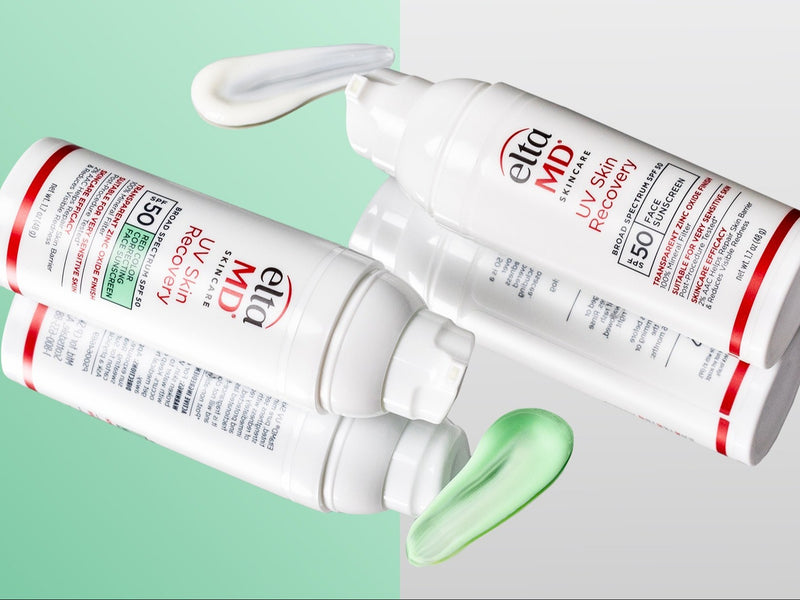
    UV Skin Recovery SPF 50

    4.7 out of 5.0 stars

    $50.00

More Skin Concern Guides

View all

Illustration of a young woman with fair skin, with small dark blackheads across her nose and tiny pale whiteheads on her forehead.
  • by Laziza Strait

Blackheads and Whiteheads: What Clogs a Pore and How to Clear It

Blackheads and whiteheads are clogged pores that have not turned red or sore. Here is what forms the plug, why many nose blackheads are something else, and how to clear them.

Read moreabout Blackheads and Whiteheads: What Clogs a Pore and How to Clear It

Close illustration of the eyes of a South Asian woman with medium-brown skin, with darker brown-purple shadows beneath both eyes.
  • by Laziza Strait

Dark Circles: What Causes Them and What Skincare Can Change

Dark circles come from extra pigment, blood vessels showing through thin skin, or shadow from a hollow under the eye. Here is how to tell which you have and what skincare can change.

Read moreabout Dark Circles: What Causes Them and What Skincare Can Change

Illustration of an East Asian woman in her late fifties with fine crisscross lines on her cheek, beside a magnified circle showing stiff, tangled collagen fibres.
  • by Laziza Strait

Glycation: How Sugar Stiffens Skin and What Can Slow It

Glycation is sugar bonding to the collagen in your skin, leaving it stiffer and more yellow over the years. Here is how it happens, what speeds it up and what can slow it down.

Read moreabout Glycation: How Sugar Stiffens Skin and What Can Slow It