8 min read

Some fine lines are gone an hour after you moisturize, and others have been years in the making. A routine built for the wrong kind will disappoint you either way. Once you know which lines you have, you know what will soften them and how long it should take.

The short answer

Fine lines come from three things: dehydration in the top layers of your skin, repeated expressions, and the slow loss of collagen that comes with age and sun. Hydration softens dehydration lines quickly. Retinoids, bakuchiol, peptides, exosomes, growth factors and vitamin C work more slowly, on the collagen underneath. Daily sunscreen protects the collagen you have.

Read time 8 min
Suits All skin types, Mature, Dry, Dehydrated

The three kinds of fine lines

Dehydration lines are very fine, often crisscrossing, and they come and go. They show up in dry air, after a harsh cleanser or on a tired day, and they soften within an hour of a good moisturizer. They can appear at any age.

Expression lines form where your face folds every time you smile, squint or frown, such as crow's feet and forehead lines. At first they show only when you move. Over years, as the skin loses some of its spring, they start to stay when your face is still.

Collagen lines come from changes in the deeper layer of your skin. They are there all day, in every light, and they deepen slowly over years.

Why dry skin shows lines

Most people assume the top layers of skin are dead and irrelevant. They are not. They signal to the deeper layers to regulate collagen, hydration and cell renewal, and they hold the water that keeps the surface smooth.

Water and oil work together there. Water-based hydration plumps the skin cells, and a thin layer of oils and fats on the surface helps stop that water from evaporating. When either runs low, the surface cells shrink slightly and the skin creases along fine lines. This is why lines look worse in winter, on a plane or after a stripping cleanser.

Why collagen loss shows as lines

Collagen is the protein that gives the deeper layer of your skin its strength and thickness. From your mid-twenties, your skin makes a little less of it each year, and the collagen you have breaks down faster than it is replaced.

Sun is the largest outside cause. Ultraviolet light breaks down collagen and slows the cells that make it, which is why lines appear first on the parts of your face that get the most sun. Inflammation is one of the root causes of aging skin, and repeated irritation, smoking and poor sleep add to it.

As the deeper layer thins, the skin above it has less support. Lines that used to fade when your face relaxed begin to stay.

How to tell which kind you have

Cleanse, apply a moisturizer, and look again in natural daylight after an hour. Lines that have softened or disappeared are mostly dehydration. Lines that only show when you smile or frown are expression lines. Lines that are still there with your face relaxed and your skin well moisturized involve collagen. Many people see some of all three.

Three cross-sections of skin side by side: fine crisscross creases on a dry surface, a single fold where the skin bends, and a deeper line above a layer with sparse broken collagen fibers.
Dry skin, repeated movement and collagen loss each leave a different kind of line, and each one responds to something different.

How to soften fine lines

Hydrate first

Hydration is the quickest change you can make, and it helps every kind of line look softer. Use a hydrating serum under a moisturizer that has oils or fats in it, so the water you add stays in your skin. Each ingredient here has its own article in the Ingredients that help section below.

Hyaluronic acid holds water in the top layers of your skin. In a 60-day study of 76 women, creams with hyaluronic acid improved hydration and elasticity around the eyes, and the forms with smaller molecules also reduced wrinkle depth.

Niacinamide supports your barrier, which helps your skin hold on to the water you give it.

Add a retinoid

Retinoids are vitamin A ingredients that prompt your skin to make more collagen and renew its surface more efficiently. In a 24-week trial in older adults, a 0.4 percent retinol lotion applied to the inner arm improved fine wrinkles compared with the same lotion without retinol on the other arm, and skin samples showed more collagen.

Start two or three nights a week, on clean, dry skin, and follow with your moisturizer. Some retinoids cause dryness and flaking in the first weeks while your skin adjusts, and it settles as you build up.

Bakuchiol is a plant ingredient that works along similar lines. In a twelve-week trial, bakuchiol and retinol improved fine lines and dark patches by a similar amount, and bakuchiol did it with less scaling and stinging. It suits those whose skin does not tolerate retinoids, and it is usually recommended during pregnancy or breastfeeding.

Support collagen from more than one direction

Vitamin C is an antioxidant that protects collagen from sun damage, and your skin needs it to make new collagen. Depending on the form, it can go on in the morning under sunscreen or in the same evening routine as a retinoid.

Peptides and growth factors are signals that tell the cells in the deeper layer to make more collagen. They are a good choice when your skin is reactive or when you want to add support without more exfoliation.

Exosomes are tiny particles that cells release to send signals to one another, and they prompt your skin's own repair and renewal. In our clinic, some clients with reactive skin or a deeper skin tone use an exosome serum in place of a retinoid, because it works on aging without the dryness.

Glycolic acid is the smallest of the exfoliating acids, which is why it travels furthest into the skin. That depth gives it the strongest evidence of the acids for fine lines, and it requires more attention to your barrier than other acids do. Use it on different nights from your retinoid at first.

Wear sunscreen every morning

Wear broad spectrum SPF 30 or higher every morning and reapply it throughout the day. Every ingredient above is rebuilding collagen, and sunscreen stops the sun from breaking it down again.

Cross-section of skin with small dots on the surface sending arrows down into the deeper layer, where cells are forming new wavy collagen fibers.
A retinoid applied to the surface prompts cells in the deeper layer to make more collagen over months.

Common questions

How long do fine lines take to soften?

Dehydration lines soften within an hour of moisturizing, and stay softer with daily hydration. Lines that involve collagen take longer: most people see a change after twelve weeks of a retinoid or bakuchiol, and the improvement keeps building over six to twelve months.

Around week six is where people tend to give up, often during the dry, flaky phase of a retinoid, before the lines have changed. Keep going at a frequency your skin is comfortable with. The photo routine in the How to use it section below makes the change easier to see.

Do retinoids thin the skin?

No. Some retinoids cause peeling while your skin adjusts, which can look like thinning. Over time, retinoids thicken the living layers of your skin and increase collagen. Our retinoid guide explains how to choose one and how to start.

Can I use a retinoid around my eyes?

Yes, and it can help soften crow's feet. Use a product made for the eye area or a gentle strength, keep it on the bone around your eye rather than on your eyelids, and start two nights a week.

Is it too late to start in my fifties or sixties?

No. Skin keeps responding to retinoids, peptides, vitamin C and hydration at any age. The retinol trial above was run in people with an average age of 87, and the fine wrinkles on their arms still improved.

Can I work on fine lines during pregnancy?

Yes, with some ingredient changes. Bakuchiol is usually recommended, and hyaluronic acid, vitamin C and niacinamide are generally considered safe. Glycolic acid may be used if needed. Most retinoids are avoided. Anything else depends on your doctor's advice and your own preference, so check with your OB or midwife.

How to use it

  • Do the moisturizer test in natural daylight, so you know which lines will respond to hydration and which need time.
  • Apply a hydrating serum to clean skin and follow with a moisturizer that contains oils or fats.
  • Start a retinoid two or three nights a week on clean, dry skin, and increase it as your skin allows.
  • Introduce one new active at a time, and give each one two weeks before adding the next.
  • Wear broad spectrum SPF 30 or higher every morning, and reapply it throughout the day.
  • Photograph your skin on day one, in the same spot and in natural daylight, and again every four weeks.
Start with the basics Skin Aging 101: The Signs of Aging and How to Manage Them With Skincare
Evidence and sources
  • Kafi R, Kwak HSR, Schumacher WE, et al. Improvement of Naturally Aged Skin With Vitamin A (Retinol). Archives of Dermatology, 2007. The 24-week retinol trial in older adults, showing fewer fine wrinkles and more collagen. Read the study
  • Dhaliwal S, Rybak I, Ellis SR, et al. Prospective, Randomized, Double-Blind Assessment of Topical Bakuchiol and Retinol for Facial Photoageing. British Journal of Dermatology, 2019. The twelve-week comparison of bakuchiol and retinol. Read the study
  • Pavicic T, Gauglitz GG, Lersch P, et al. Efficacy of Cream-Based Novel Formulations of Hyaluronic Acid of Different Molecular Weights in Anti-Wrinkle Treatment. Journal of Drugs in Dermatology, 2011. The 60-day hyaluronic acid study in 76 women. Read the study

A note on the evidence. Retinoids have the deepest research for fine lines. The retinol trial was small, ran in people with an average age of 87, and was done on the arm rather than the face, which makes it strong evidence for how retinol works rather than a measure of what you will see on your face. The bakuchiol trial was well run, small and twelve weeks long. Several authors of the hyaluronic acid study worked for companies that make hyaluronic acid. What we describe here combines that research with what we see in the clinic.

Last reviewed

Ingredients that help

What each one does, how it works and how to use it.

Products for Fine Lines

  • SkinBetter Science

    A-Team Duo Kit

    5.0 out of 5.0 stars

    $185.00

  • KrX Aesthetics

    Active 31 Revitalizing Eye Cream

    5.0 out of 5.0 stars

    $46.00

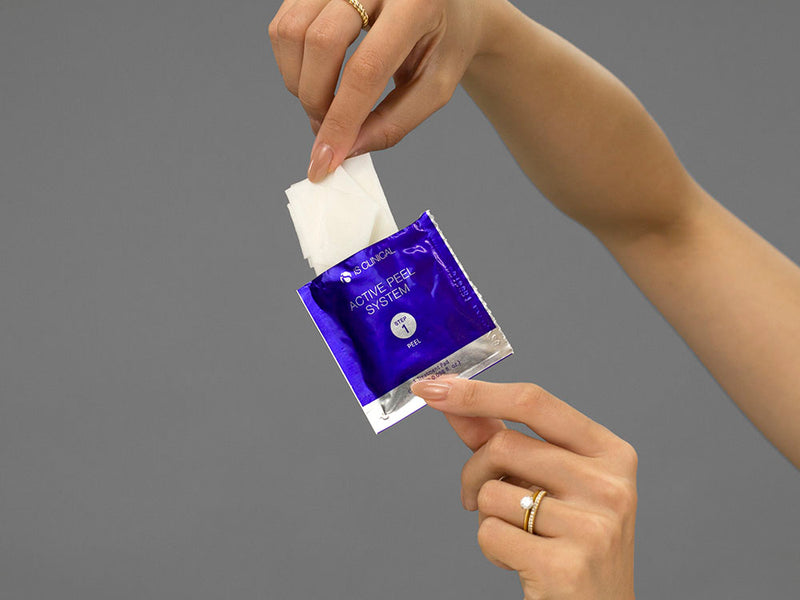
  • iS Clinical

    Active Peel System

    5.0 out of 5.0 stars

    $99.00

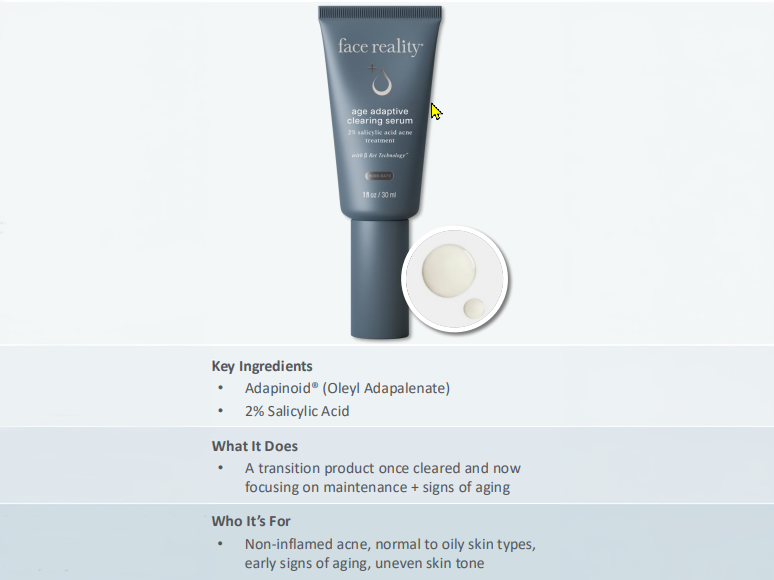
  • Face Reality

    $76.00

  • GlyMed

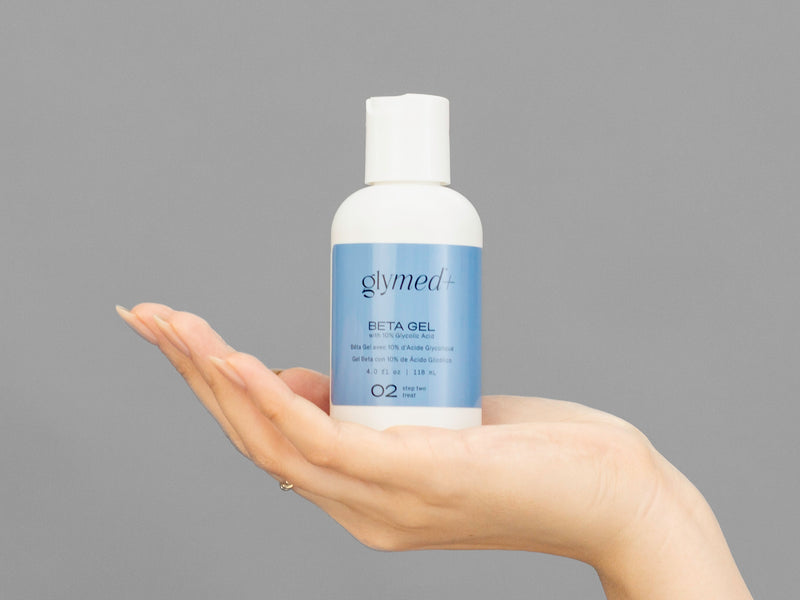
    $96.00

  • SkinBetter Science

    AlphaRet Body Overnight Cream

    5.0 out of 5.0 stars

    From $40.00

  • SkinBetter Science

    AlphaRet Clearing Serum

    4.8 out of 5.0 stars

    From $145.00

  • SkinBetter Science

    AlphaRet Exfoliating Peel Pads

    5.0 out of 5.0 stars

    $130.00

  • SkinBetter Science

    AlphaRet Overnight Cream

    5.0 out of 5.0 stars

    From $76.00

  • SkinBetter Science

    Alto Advanced Defense and Repair Serum

    4.9 out of 5.0 stars

    From $100.00

  • SkinBetter Science

    Alto Defense Serum

    4.9 out of 5.0 stars

    From $175.00

  • SkinBetter Science

    Ampra Volumizing Serum

    4.7 out of 5.0 stars

    From $96.00

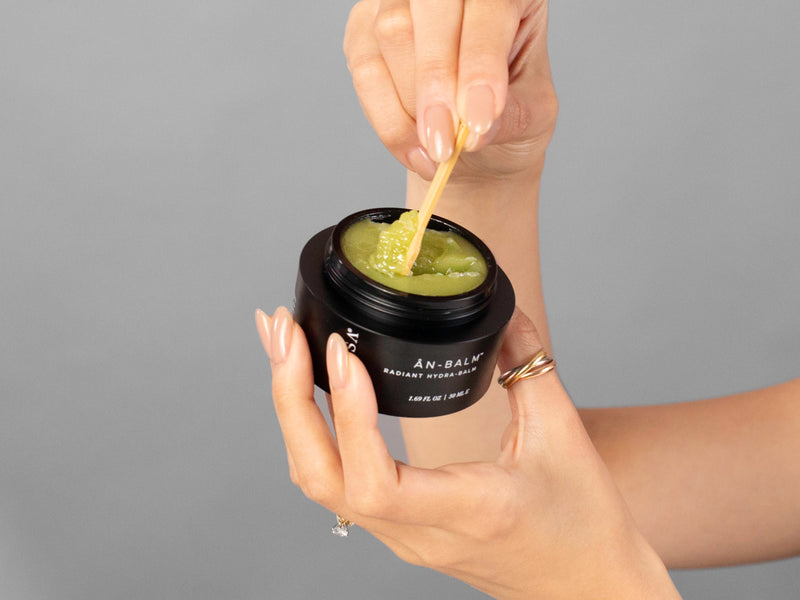
  • Anfisa

    Γ‚N-BALM

    4.8 out of 5.0 stars

    From $64.00

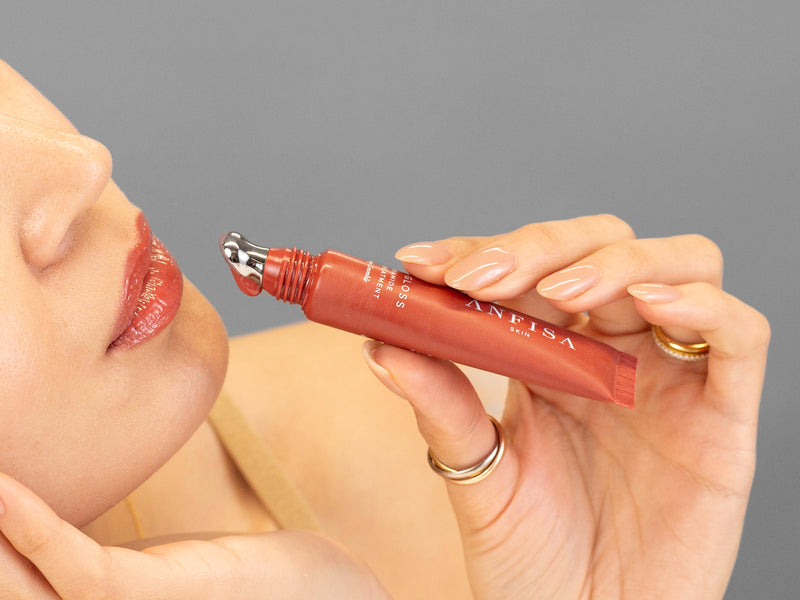
  • Anfisa

    Γ‚N-GLOSS

    4.9 out of 5.0 stars

    $45.00

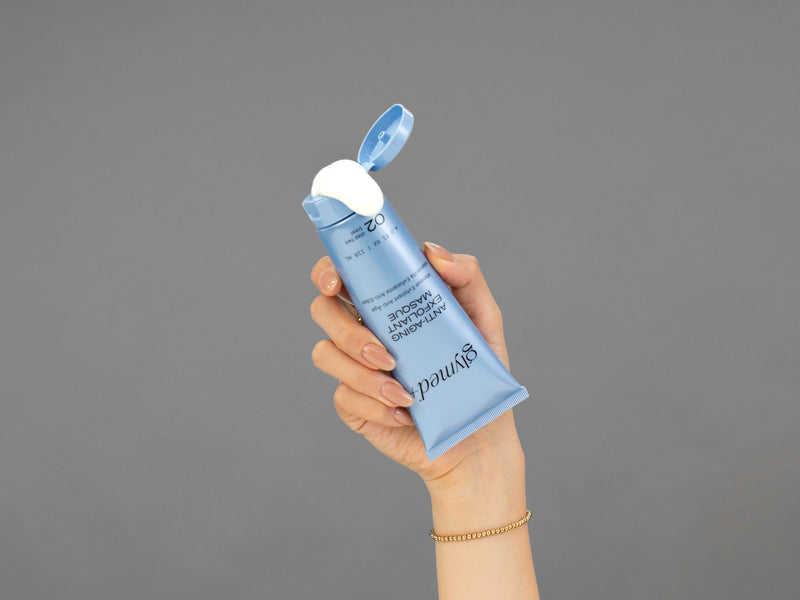
  • GlyMed

    Anti-Aging Exfoliant Masque

    5.0 out of 5.0 stars

    $51.50

  • Face Reality

    Antioxidant Peptide Eye Gel

    4.5 out of 5.0 stars

    $48.00

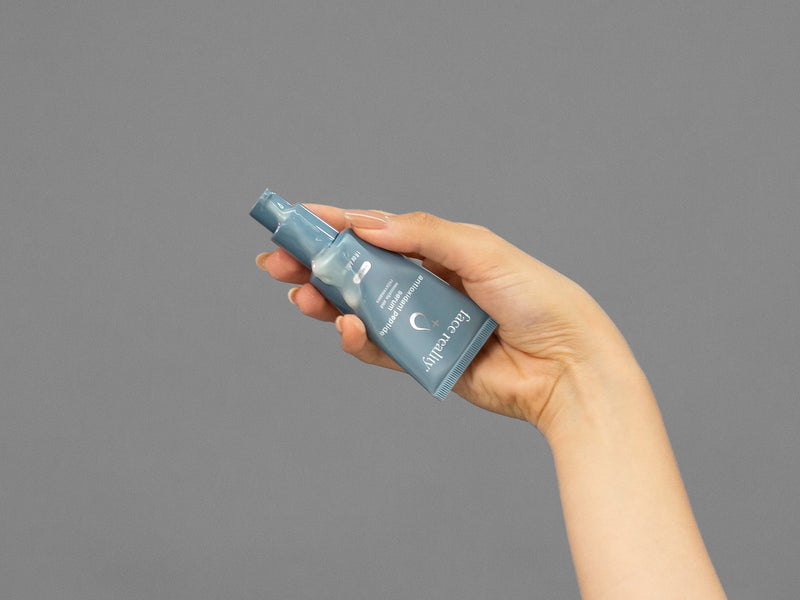
  • Face Reality

    Antioxidant Peptide Serum

    4.8 out of 5.0 stars

    $56.00

  • Environ

    $72.00

  • Environ

    From $86.00

  • GlyMed

    Beta Gel

    5.0 out of 5.0 stars

    $52.00

  • Pavise

    Bioadaptive Stress Repair

    4.6 out of 5.0 stars

    From $50.00

  • Biojuve

    Biojuve Travel Kit

    4.5 out of 5.0 stars

    $70.00

  • Biojuve

    Biome Support Complex

    4.9 out of 5.0 stars

    $150.00

  • SkinBetter Science

    BioRewind

    5.0 out of 5.0 stars

    From $135.00

More Skin Concern Guides

View all

Illustration of a young woman with fair skin, with small dark blackheads across her nose and tiny pale whiteheads on her forehead.
  • by Laziza Strait

Blackheads and Whiteheads: What Clogs a Pore and How to Clear It

Blackheads and whiteheads are clogged pores that have not turned red or sore. Here is what forms the plug, why many nose blackheads are something else, and how to clear them.

Read moreabout Blackheads and Whiteheads: What Clogs a Pore and How to Clear It

Close illustration of the eyes of a South Asian woman with medium-brown skin, with darker brown-purple shadows beneath both eyes.
  • by Laziza Strait

Dark Circles: What Causes Them and What Skincare Can Change

Dark circles come from extra pigment, blood vessels showing through thin skin, or shadow from a hollow under the eye. Here is how to tell which you have and what skincare can change.

Read moreabout Dark Circles: What Causes Them and What Skincare Can Change

Illustration of an East Asian woman in her late fifties with fine crisscross lines on her cheek, beside a magnified circle showing stiff, tangled collagen fibres.
  • by Laziza Strait

Glycation: How Sugar Stiffens Skin and What Can Slow It

Glycation is sugar bonding to the collagen in your skin, leaving it stiffer and more yellow over the years. Here is how it happens, what speeds it up and what can slow it down.

Read moreabout Glycation: How Sugar Stiffens Skin and What Can Slow It