9 min read

An inflamed breakout is a small wound under your skin, and the longer it stays inflamed, the more likely it is to leave a mark or a scar. Calming inflamed acne early, with a routine you can keep up every day, protects your skin from both the marks and the scars.

The short answer

Inflamed acne starts as a clogged pore. Inside that sealed pore, the balance of bacteria shifts and your immune system responds with redness, swelling and soreness. It calms with ingredients that reduce those bacteria and speed up cell turnover, such as mandelic acid, azelaic acid and benzoyl peroxide, alongside ingredients that help your skin heal. Once the inflammation settles, a retinoid clears the clogged pores that would become the next breakouts.

Read time 9 min
Suits Acne-prone, All skin types

What inflamed acne is

Your skin has two main types of pores: sweat pores and hair follicle pores. Acne forms in the hair follicle pores, where an oil gland empties oil, called sebum, into the follicle. That oil does real work: mixed with sweat on the surface, it forms part of your skin barrier and helps your skin hold on to water.

Every breakout starts as a clogged pore, called a comedone: a plug of oil and dead skin cells in the follicle. When your immune system reacts to what happens inside the plug, the area turns red, swollen and sore. That reaction is called inflammation, and it is what makes a breakout inflamed acne.

Papules are small, red, tender bumps with no visible head. They are the most common kind of inflamed breakout.

Pustules are red bumps with a white or yellow center of pus, made of immune cells fighting the bacteria. A pustule is not a whitehead.

Nodules are large, hard, painful lumps deep in the skin, with no head.

Cysts are deep, soft, painful lumps filled with pus. Nodules and cysts can last for weeks and are the most likely to scar, which is why they need a doctor.

How inflamed acne differs from non-inflamed acne

Blackheads and whiteheads are clogged pores without inflammation, often called congestion, and they are known as non-inflamed acne. A blackhead is open at the surface, where the top of the plug darkens. A whitehead sits under a thin layer of skin as a small white or skin-colored bump that is not red or sore.

A whitehead and an inflamed breakout are both sealed off from the air. What separates them is what happens inside. A bacterium called C. acnes lives in everyone's hair follicles, and when oil production is moderate, it stays in balance with the other bacteria there. When your oil glands produce an excess of certain inflammatory fatty acids, that balance shifts inside the plug, your immune system reacts, and the whitehead becomes a papule or a pustule.

What makes inflamed acne worse

Picking and squeezing come first. Harsh scrubs and stripping cleansers inflame skin that is already inflamed, and many people break out before their period, because hormonal shifts increase oil.

Inflamed acne or something else?

Red bumps with flushing and no clogged pores can be rosacea, and small, itchy bumps all the same size can be yeast in the hair follicles. If yours match either, show them to a doctor.

Diagram of three pore cross-sections: a small plug, a sealed whitehead, and the same sealed pore surrounded by redness and immune cells.
A whitehead and an inflamed breakout are both sealed pores. The difference is your immune system reacting to what is trapped inside.

How to manage inflamed acne

In our clinic, we manage inflamed acne in two stages. First, we calm the breakouts by reducing the bacteria and speeding up how quickly the pore sheds, while helping your skin heal. Once the inflammation has settled, we add a retinoid to clear the clogged pores that remain.

A cleanser and moisturizer suited to your skin type support both stages, and Skincare 101 explains how to choose them. Several acne products used together can clear breakouts faster, as long as they are balanced. More is not always better, so start slowly and add one product at a time.

Start with mandelic acid or azelaic acid

Both are exfoliating acids, which speed up cell turnover: how often your skin sheds old cells and replaces them. That stops dead cells building up inside the pore.

Mandelic acid reduces acne bacteria and speeds up cell turnover. It has a larger molecule than glycolic or lactic acid, which means it enters the skin more slowly and suits sensitive skin.

Azelaic acid reduces acne bacteria, calms redness and helps clear the plug inside the pore.

Both also help prevent the red marks, called PIE, and the brown marks, called PIH, that breakouts leave behind, which is why they are among the ingredients we recommend most for inflamed acne.

Reduce the bacteria with benzoyl peroxide

Benzoyl peroxide is one of the top ingredients we recommend for inflamed acne. C. acnes grows best where there is little or no oxygen. When benzoyl peroxide breaks down on your skin, it releases oxygen into that sealed pore, and the bacteria cannot survive it. We suggest 2.5 percent for the face, which in studies worked about as well as stronger versions, with less irritation.

Help your skin heal

Alongside the acids, we use hydrating ingredients that help skin heal, which also helps prevent PIE.

Niacinamide calms redness and supports your barrier, and it can reduce oil on the surface of your skin.

Beta glucan is a sugar found in oats, yeast and mushrooms. It hydrates and calms irritation while your skin heals.

Fulvic acid forms as plants break down in soil. It acts as an antioxidant and calms inflammation, although its research on skin is still early.

Sulfur dries out the surface of a breakout and reduces bacteria. Its strong smell is why many people use it at night.

Add a retinoid once the inflammation settles

Retinoids, the vitamin A family of ingredients, help the follicle shed its cells more efficiently. Once the redness has calmed, add one to clear any blackheads and whiteheads that remain and keep new plugs from forming. We wait until then because retinoids can add irritation to inflamed skin. If you also use benzoyl peroxide, use them on alternate nights.

Because it is attracted to oil, salicylic acid is uniquely capable of penetrating deep inside the pore to break apart the plug from within, and it is an alternative for clogged pores. Extra breakouts in the first weeks are often purging, explained in the Common questions section below.

Wear sunscreen every morning

Sun makes PIE and PIH slower to fade, and each has its own article, Red Marks After Breakouts and Dark Marks After Breakouts. Wear broad spectrum SPF 30 or higher every morning, and reapply it throughout the day.

Diagram of a sealed, inflamed pore with bacteria inside, and oxygen bubbles from a product on the skin travelling down into the pore.
The bacteria behind inflamed breakouts can only survive without oxygen, which is what benzoyl peroxide releases.

Common questions

How long does inflamed acne take to clear?

Most people see a clear change in three to six months. The breakouts you see today began as clogged pores deep in the follicle, around 90 days before they reached the surface. A routine has to clear the congestion already on its way up and stop new plugs forming, which is why it can take three to six months.

Around week four is where people tend to give up, because new breakouts still appear. Keep going without adding anything new, and use the photo routine in the How to use it section below.

Will my breakouts get worse before they get better?

Yes, sometimes, when you start a retinoid or an exfoliating acid. That is called purging. Both speed up cell turnover, which brings clogged pores that were already forming to the surface sooner, in your usual areas. A purge can take three to six months to settle.

Breakouts in new areas, burning or itching, or extra breakouts that continue past six months are not purging. They mean the product does not suit your skin, and you should stop using it.

Should I squeeze or pop an inflamed breakout?

No, not at home. Squeezing can leave marks, push the contents of the breakout deeper, and make it more inflamed. Never squeeze a nodule or a cyst.

Professional extraction is for clogged pores, such as blackheads and whiteheads, and not for inflamed breakouts. A red, sore breakout is best left alone while your routine calms it.

Does inflamed acne behave differently on deeper skin tones?

Yes. Deeper skin pigments much easier, which means each inflamed breakout is more likely to leave a brown mark that lasts for months. Calming breakouts early helps prevent those marks, as does avoiding aggressive exfoliation and the dryness that follows it. That is why mandelic acid is one of the top ingredients we recommend for every skin tone, and especially for deeper skin tones.

Can I manage inflamed acne during pregnancy?

Yes, with some ingredient changes. Glycolic acid and niacinamide are among the safest options. Salicylic acid at around 0.5 to 1 percent is often considered acceptable, although not every doctor agrees. Benzoyl peroxide at 5 percent or less is used in some cases, depending on your OB-GYN, and azelaic acid may be used if needed. The same salicylic acid and benzoyl peroxide guidance applies while breastfeeding. Most retinoids are avoided, and some may be acceptable depending on the retinoid. Skincare ingredients are almost never tested on pregnant people, so check anything new with your OB, midwife or doctor.

How to use it

  • For two weeks, note which breakouts are red and sore and which are blackheads or whiteheads.
  • Cleanse twice a day with lukewarm water, using a cleanser and moisturizer suited to your skin type.
  • Start mandelic acid or azelaic acid two or three nights a week, and use it more often as your skin allows.
  • Add one product at a time, such as 2.5 percent benzoyl peroxide, at least two weeks apart.
  • Once the redness has calmed, add a retinoid on alternate nights.
  • Wear broad spectrum SPF 30 or higher every morning, and reapply it throughout the day.
  • Photograph your skin on day one, in the same spot and in natural daylight, and again every four weeks.
Start with the basics Acne 101: What Causes It and How to Manage It With Skincare
Evidence and sources
  • Reynolds RV, Yeung H, Cheng CE, et al. Guidelines of care for the management of acne vulgaris. Journal of the American Academy of Dermatology, 2024. The current evidence-based guidance on benzoyl peroxide, retinoids, azelaic acid and salicylic acid for acne. Read the guideline
  • Mills OH Jr, Kligman AM, Pochi P, Comite H. Comparing 2.5%, 5%, and 10% benzoyl peroxide on inflammatory acne vulgaris. International Journal of Dermatology, 1986. The comparison of benzoyl peroxide strengths described above. Read the study
  • DrΓ©no B, PΓ©castaings S, Corvec S, Veraldi S, Khammari A, Roques C. Cutibacterium acnes (Propionibacterium acnes) and acne vulgaris: a brief look at the latest updates. Journal of the European Academy of Dermatology and Venereology, 2018. C. acnes lives on everyone's skin, people with acne do not carry more of it, and the balance between types of bacteria and the immune response is what matters in how acne becomes inflamed. Read the review
  • Zouboulis CC, Jourdan E, Picardo M. Acne is an inflammatory disease and alterations of sebum composition initiate acne lesions. Journal of the European Academy of Dermatology and Venereology, 2014. How changes in the fatty acids in oil from acne-prone skin set off the inflammation behind a breakout. Read the review

A note on the evidence. Benzoyl peroxide and retinoids have the strongest evidence for acne, and the guideline recommends both strongly. Azelaic acid and salicylic acid have smaller bodies of research behind them, and the guideline recommends them conditionally, which means they help many people and the trial data is thinner. The benzoyl peroxide strength study is older and compared a small number of specific gels. Research on exactly why some pores become inflamed is still developing, and the role of the fatty acids in oil is one of the newer parts of it. The 90-day timeline and the advice on extractions come from what we see in the clinic, combined with that research.

Last reviewed

Ingredients that help

What each one does, how it works and how to use it.

Products for Inflamed Acne

  • Face Reality

    Acne Face & Body Wash

    4.7 out of 5.0 stars

    $36.00

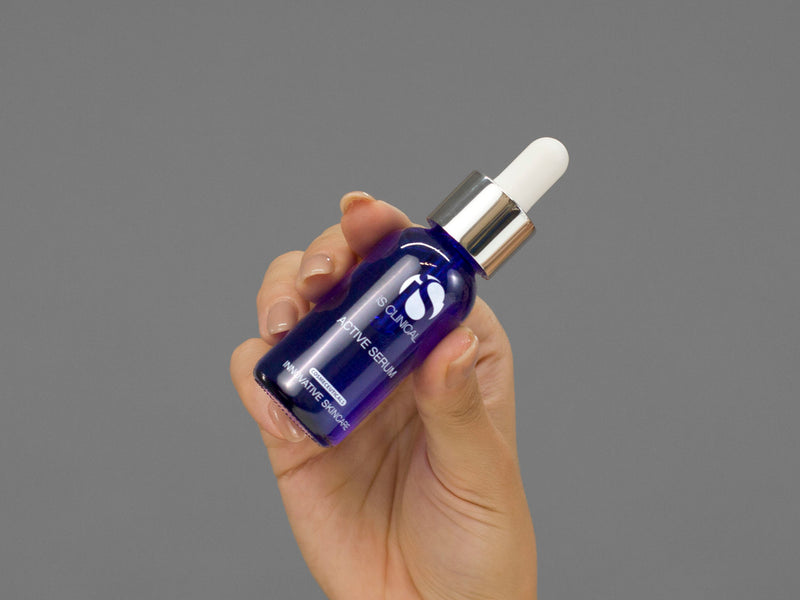
  • iS Clinical

    Active Serum

    5.0 out of 5.0 stars

    $155.00

  • Face Reality

    Advanced Acne Med

    4.9 out of 5.0 stars

    From $29.00

  • SkinBetter Science

    AlphaRet Clearing Serum

    4.8 out of 5.0 stars

    From $145.00

  • SkinBetter Science

    Alto Advanced Defense and Repair Serum

    4.9 out of 5.0 stars

    From $100.00

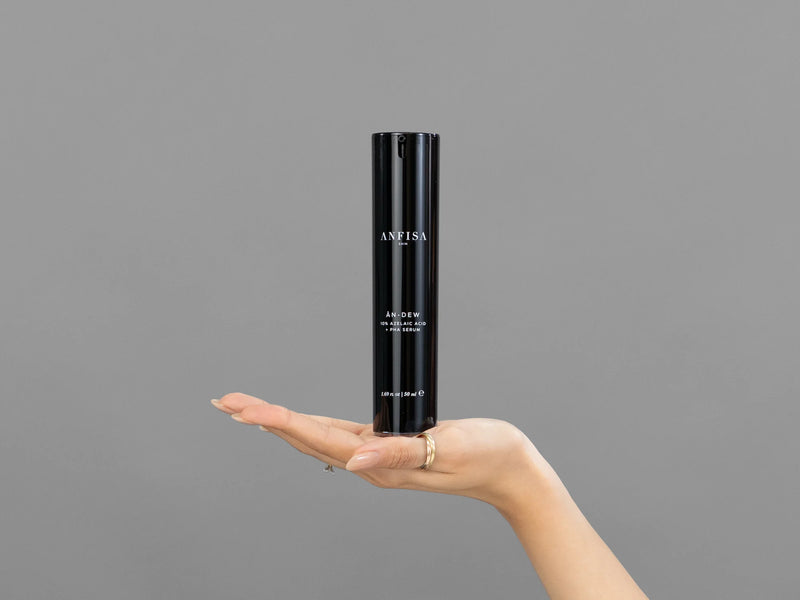
  • Anfisa

    Γ‚N-DEW

    4.9 out of 5.0 stars

    From $125.00

  • Marini SkinSolutions

    $103.00

  • Biojuve

    Biojuve Travel Kit

    4.5 out of 5.0 stars

    $70.00

  • GlyMed

    $45.00

  • Vivant

    BP 10% Gel Medication

    5.0 out of 5.0 stars

    $44.00

  • Vivant

    $26.00

  • Revision

    Brightening Facial Wash

    5.0 out of 5.0 stars

    $47.00

  • Face Reality

    Calming Facial Toner

    4.8 out of 5.0 stars

    $32.00

  • Hale & Hush

    From $26.00

  • iS Clinical

    Cleansing Complex

    4.8 out of 5.0 stars

    From $27.00

  • Face Reality

    Clear Skin Balance

    4.7 out of 5.0 stars

    $44.00

  • Face Reality

    Clear Skin Restore

    4.8 out of 5.0 stars

    $36.00

  • Vivant

    $86.00

  • Vivant

    $220.00

  • Vivant

    $148.00

  • Environ

    $84.00

  • Vivant

    $90.00

  • Vivant

    $94.00

More Skin Concern Guides

View all

Illustration of a young woman with fair skin, with small dark blackheads across her nose and tiny pale whiteheads on her forehead.
  • by Laziza Strait

Blackheads and Whiteheads: What Clogs a Pore and How to Clear It

Blackheads and whiteheads are clogged pores that have not turned red or sore. Here is what forms the plug, why many nose blackheads are something else, and how to clear them.

Read moreabout Blackheads and Whiteheads: What Clogs a Pore and How to Clear It

Close illustration of the eyes of a South Asian woman with medium-brown skin, with darker brown-purple shadows beneath both eyes.
  • by Laziza Strait

Dark Circles: What Causes Them and What Skincare Can Change

Dark circles come from extra pigment, blood vessels showing through thin skin, or shadow from a hollow under the eye. Here is how to tell which you have and what skincare can change.

Read moreabout Dark Circles: What Causes Them and What Skincare Can Change

Illustration of an East Asian woman in her late fifties with fine crisscross lines on her cheek, beside a magnified circle showing stiff, tangled collagen fibres.
  • by Laziza Strait

Glycation: How Sugar Stiffens Skin and What Can Slow It

Glycation is sugar bonding to the collagen in your skin, leaving it stiffer and more yellow over the years. Here is how it happens, what speeds it up and what can slow it down.

Read moreabout Glycation: How Sugar Stiffens Skin and What Can Slow It