An inflamed breakout is a small wound under your skin, and the longer it stays inflamed, the more likely it is to leave a mark or a scar. Calming inflamed acne early, with a routine you can keep up every day, protects your skin from both the marks and the scars.
The short answer


How to use it
Last reviewed
What each one does, how it works and how to use it.

Mandelic acid exfoliates, slows pigment production and reduces acne bacteria all at once, which makes it the acid for post-breakout marks and deeper skin tones.
Read about it
Azelaic acid treats breakouts, redness and the dark marks left behind at the same time, and is gentle enough to use in pregnancy. Here is how it works and how to use it.
Read about it
Benzoyl peroxide clears red, inflamed breakouts and keeps them from coming back, and bacteria never become resistant to it. Here is why 2.5 percent is the strength to start with.
Read about it
Niacinamide calms redness, strengthens the barrier, evens pigment and regulates oil, all without irritation. Here is why four to five percent is the number and how it fits with everything else.
Read about it
Sulfur dries out breakouts, absorbs oil and calms inflammation, gently enough for rosacea-prone skin and pregnancy. Here is how it works and when it beats benzoyl peroxide.
Read about it
Retinoids build collagen, clear pores and fade pigment, with decades of research behind them. Here is how to read the labels and how to start without giving up in week three.
Read about it
Salicylic acid dissolves in oil, so it gets inside pores where other acids cannot. Here is why that clears blackheads and congestion, and how to use it without drying yourself out.
Read about it
Glycolic acid is the smallest exfoliating acid, so it reaches deepest and does the most for texture, tone and fine lines. Here is how to use it without overdoing it.
Read about it
A post-procedure kit designed to accelerate repair, soothe sensitized skin, and restore hydration gently.

True Tone 2.0 and Rejuv Rx paired in Vivant's Post-Inflammatory Erythema Protocol for visible reduction in redness, PIE, and uneven tone in as little as 14 days.

Exfoliating cleanser with AHAs and salicylic acid that clears pores and refines skin texture.

Helps reduce redness, heat, irritation, and excess oil without drying the skin.

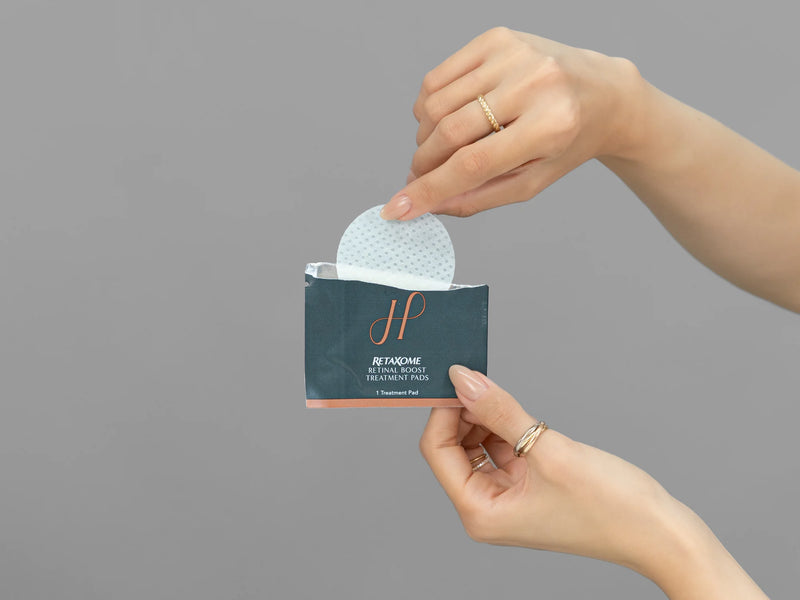
Retinal plus a 5-acid blend in leave-on pads that resurface, brighten, and clear congestion.
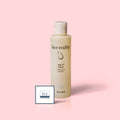
Exfoliating toner with salicylic acid and vitamin C for clogged pores and brightness.

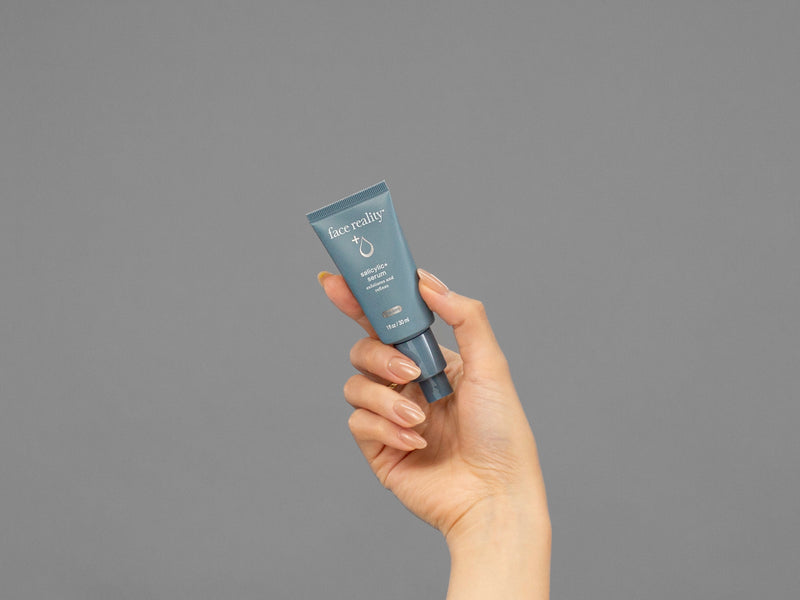
Unclogs pores and reduces both inflamed and non-inflamed acne with salicylic acid.
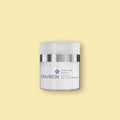
Acne mask for oily, congested, and blemish-prone skin.

Clarifying gel cleanser for excess oil, clogged pores, and acne-prone skin.

A targeted acne lotion that reduces oil, bacteria, and stubborn breakouts.

Dries clear while reducing pimples without irritation.

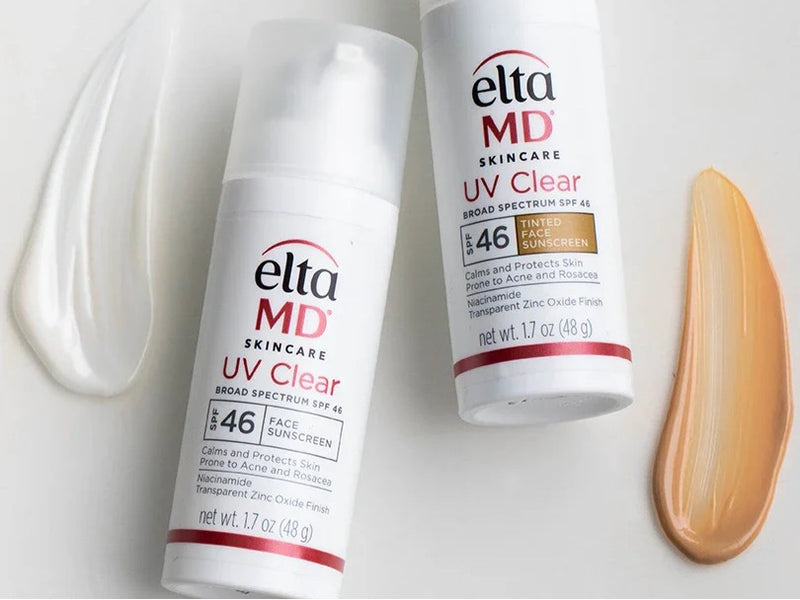
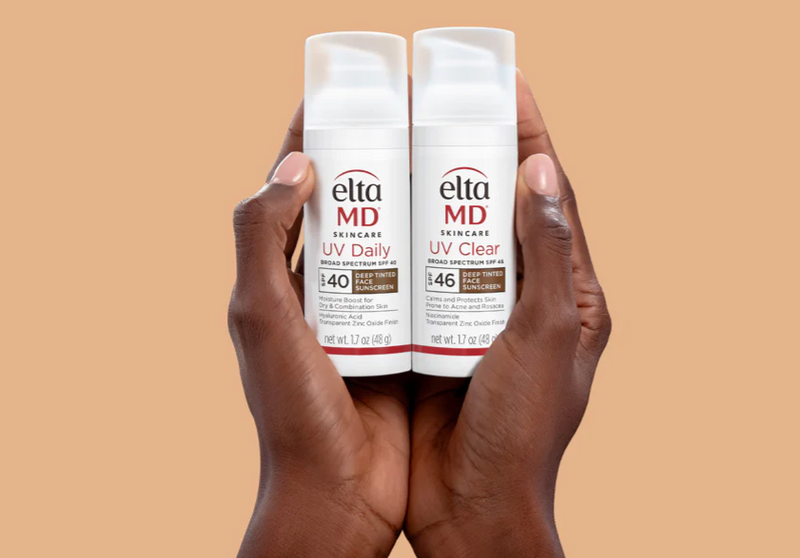
Lightweight, oil-free sunscreen with niacinamide, hyaluronic acid, and lactic acid that calms breakouts and redness.

Vitamin-rich body oil that improves dryness, rough texture, and skin softness.

Blackheads and Whiteheads: What Clogs a Pore and How to Clear It
Blackheads and whiteheads are clogged pores that have not turned red or sore. Here is what forms the plug, why many nose blackheads are something else, and how to clear them.
Read moreabout Blackheads and Whiteheads: What Clogs a Pore and How to Clear It

Dark Circles: What Causes Them and What Skincare Can Change
Dark circles come from extra pigment, blood vessels showing through thin skin, or shadow from a hollow under the eye. Here is how to tell which you have and what skincare can change.
Read moreabout Dark Circles: What Causes Them and What Skincare Can Change

Glycation: How Sugar Stiffens Skin and What Can Slow It
Glycation is sugar bonding to the collagen in your skin, leaving it stiffer and more yellow over the years. Here is how it happens, what speeds it up and what can slow it down.
Read moreabout Glycation: How Sugar Stiffens Skin and What Can Slow It