9 min read

Rough skin often gets scrubbed harder, and the extra scrubbing tends to leave it redder and more sensitive without making it any smoother. Most texture comes from one of three causes, and once you know which one you have, the right exfoliant smooths it steadily and gently.

The short answer

Skin texture is how your skin feels and how evenly it catches the light. Most roughness comes from three things: dead cells that build up on the surface, small clogged pores, and shallow scars. Buildup and clogged pores respond to an exfoliant chosen for your skin and used steadily, alongside hydration, and shallow scars soften slowly over months.

Read time 9 min
Suits All skin types, Combination, Acne-prone

What makes skin feel rough

Your skin renews itself all the time, which is called cell turnover. New cells form at the base of the top layer of skin and move up over roughly four weeks, more slowly as you get older, and the oldest cells at the top loosen and shed. Most people assume those top layers are dead and irrelevant. They are not. They signal to the deeper layers to regulate hydration and cell renewal, and they hold water in, with a thin layer of oils and fats on the surface to stop it evaporating.

When shedding slows down, cells pile up unevenly. The surface feels rough, flakes in places and reflects light unevenly. Shedding slows with age, with sun damage and with dehydration, which is why texture often feels worse in dry winter air.

Shedding needs water. Natural enzymes loosen the bonds between old cells, and they only work when your skin holds enough water. When skin is dehydrated or the barrier is not intact, the cells stay stuck together, often called sticky cells, and pile up instead of shedding. That is why smoother skin takes hydration, moisturizing and exfoliation together.

Three kinds of texture

Buildup means dead skin cells that have not shed and have piled up on the surface. It feels rough or sandpapery, often with dry, flaky patches, and it spreads across an area rather than forming separate bumps, most often on the cheeks and forehead.

Congestion means pores clogged with oil and dead skin cells, without any redness or soreness. On textured skin it usually shows as closed comedones, or whiteheads: small, skin-colored bumps across the forehead, chin and jawline, where a thin layer of skin covers the plug. A whitehead is not a pimple with a white or yellow head, which is red, sore and filled with pus. Congestion is a mild, non-inflamed form of acne, and Blackheads and Whiteheads covers it in more depth.

Shallow scars are soft, shallow dips left where an old breakout damaged the collagen underneath. Collagen is the protein that keeps skin firm and smooth. These scars are usually wider than they are deep. The Common questions section below covers what skincare can do for them.

Many people have more than one kind at once. Look at your skin from the side in daylight and run your fingertips across it. An all-over roughness points to buildup, separate small bumps point to congestion, and dips point to scarring.

Why more exfoliation is not better

Exfoliating too often, or at too high a strength for your skin barrier, strips the oils that hold water in. The barrier responds with redness, stinging and more flaking, which feels a lot like the roughness you started with. Over-exfoliated skin can also protect itself by building up extra layers of cells, much like a callus, which adds texture rather than removing it. That is why an exfoliant needs to be introduced carefully, and why steady use of one well-chosen exfoliant does more than a strong one you keep having to stop.

Diagram of three skin cross-sections side by side: flakes piled unevenly on the surface, a plugged pore under a closed bump, and a soft shallow dip in the surface.
All-over roughness, separate small bumps and soft dips each come from a different cause and need a different approach.

How to smooth skin texture

Smoothing texture works on four things at the same time:

  • Helping dead cells shed evenly, which smooths buildup.
  • Clearing the plug inside clogged pores, which flattens the bumps from congestion.
  • Speeding up cell turnover and supporting collagen over months, including for shallow scars.
  • Hydrating and moisturizing, so cells do not stick together.

What an exfoliant does

Most of the ingredients that smooth texture are exfoliants. An exfoliant loosens the bonds that hold dead skin cells together, which lets them shed more evenly instead of building up. Some work on the surface, and some reach inside the pore. Each ingredient below has its own article in the Ingredients that help section.

For buildup and rough patches

Glycolic acid is the smallest of the exfoliating acids, which means it travels furthest into the skin. It smooths buildup and helps with fine lines, and it suits skin that is comfortable with acids.

Lactic acid exfoliates and hydrates at the same time, which makes it a good fit for rough skin that is also dry.

For congestion

Salicylic acid and retinoids are the ingredients we recommend most for congestion, and glycolic acid and niacinamide help alongside them.

Salicylic acid is attracted to oil, which lets it travel inside the pore and break apart the plug of oil and dead cells from within.

Retinoids are forms of vitamin A. They speed up cell turnover in the lining of the pore, which clears the small plugs already there and stops new ones forming. Over months they also support collagen, which helps shallow scars.

Niacinamide is not an exfoliant. It reduces oil on the surface of your skin and supports your barrier, which helps your skin stay comfortable while you use an exfoliant or a retinoid.

Gentler options for sensitive skin

Mandelic acid enters the skin more slowly than glycolic or lactic acid, and exfoliating enzymes work on the surface only. Both are gentler, which suits reactive skin, though they work more slowly.

Start with one exfoliant

Adding several exfoliants at once is too much for most skin. Start with one product two or three nights a week. If your skin is doing well after two weeks, use it more often, or add a second product on alternate nights rather than layering them together.

If that second product is a retinoid, use it on nights you do not exfoliate. Some retinoids cause dryness and flaking in the first weeks, which can look like more texture before it improves.

Keep your skin hydrated

Because shedding needs water, use a water-based hydrating serum, such as hyaluronic acid, then a moisturizer every day, including the nights you exfoliate. The moisturizer adds oils and fats that hold the water in.

Wear sunscreen every day

Exfoliating acids and retinoids leave the new surface more sensitive to the sun, and sun damage is one of the reasons shedding slows in the first place. The right sunscreen for you is the one you will actually apply every morning and reapply throughout the day.

Diagram of a rough layer of dead cells stuck together on the skin surface, then loosening and lifting away after an exfoliant droplet, leaving a smooth surface.
Once the bonds holding old cells together loosen, they shed evenly and the surface underneath feels smoother.

Common questions

How long does it take to see smoother skin?

Buildup often feels smoother within two to four weeks. Congestion takes three to six months to clear. The clogged pores you can feel today started forming deep in the pore long before they showed, and it can take around 90 days for a plug to reach the surface. A routine has to clear what is already on its way up as well as stop new plugs forming. Shallow scars also change slowly, over three to six months.

Week three is where people tend to add a second exfoliant or start using the first one every night, because the bumps are still there. Keep going without changing anything. The photo routine in the How to use it section below makes slow progress easier to see.

Is it normal to break out when I start?

Sometimes, although it is rare. It happens mostly to people with very congested pores or acne-prone skin, and it is called purging. Exfoliants and retinoids speed up cell turnover, which brings congestion that was already forming up to the surface sooner, in the areas where you usually get it. A purge can take three to six months to settle, and using your exfoliant less often makes it gentler.

Bumps in new areas, burning or itching are different: they mean the product does not suit your skin, and you should stop using it.

Can skincare get rid of acne scars?

No, not deep ones. A consistent exfoliant can soften how shallow scars look, though the change is modest. Narrow, deep and sharp-edged scars need in-clinic procedures such as microneedling, peels or lasers, and a provider can tell you which suits your scars.

Does texture need a different approach on deeper skin tones?

Yes, in one important way. Deeper skin pigments much easier, and the irritation and dryness that come from aggressive exfoliation can leave dark marks behind. Mandelic acid, lactic acid and exfoliating enzymes suit deeper skin tones well, and starting slowly protects against new marks.

Can I use these ingredients during pregnancy?

Yes, with some changes. Glycolic acid and niacinamide are considered among the safest options, and mandelic acid is commonly used in pregnancy. Salicylic acid at around 0.5 to 1 percent is often considered acceptable, although not every doctor agrees, and the same applies while breastfeeding. Most retinoids are avoided, and some may be acceptable depending on the retinoid. Skincare ingredients are almost never tested on pregnant people, so check anything new with your OB, midwife or doctor.

How to use it

  • Start one exfoliant, two or three nights a week, and increase it as your skin allows.
  • Apply your exfoliant to clean, dry skin, then follow with a hydrating serum and your moisturizer.
  • Use exfoliants and retinoids on different nights rather than layering them.
  • Wear broad spectrum SPF 30 or higher every morning, and reapply it throughout the day.
  • Photograph your skin on day one, in the same spot and in natural daylight, and again every four weeks.
Start with the basics Skincare 101: Know Your Skin, Build Your Basics
Evidence and sources
  • Tang SC, Yang JH. Dual Effects of Alpha-Hydroxy Acids on the Skin. Molecules, 2018. How exfoliating acids loosen the bonds between dead cells, and why strength and sun protection matter. Read the review
  • Arif T. Salicylic acid as a peeling agent: a comprehensive review. Clinical, Cosmetic and Investigational Dermatology, 2015. How salicylic acid works inside oily pores and on closed comedones and surface roughness, and its use on deeper skin tones. Read the review
  • Mukherjee S, Date A, Patravale V, Korting HC, Roeder A, Weindl G. Retinoids in the treatment of skin aging: an overview of clinical efficacy and safety. Clinical Interventions in Aging, 2006. The clinical improvement retinoids bring to sun-damaged skin, and the dryness and flaking some cause. Read the review
  • Rawlings AV, Harding CR. Moisturization and skin barrier function. Dermatologic Therapy, 2004. Why the enzymes that release dead skin cells need water, and how dry skin sheds unevenly. Read the review
  • Connolly D, Vu HL, Mariwalla K, Saedi N. Acne Scarring: Pathogenesis, Evaluation, and Treatment Options. The Journal of Clinical and Aesthetic Dermatology, 2017. The types of acne scars and the in-clinic procedures used for each. Read the review

A note on the evidence. Exfoliating acids and retinoids are well studied, though much of the research looks at in-clinic peels or prescription strengths rather than the products you use at home. The salicylic acid findings on deeper skin tones come from small studies, and retinoid research has mostly been done on sun-damaged skin. Evidence that home skincare improves acne scars is limited, which is why we point deeper scars to in-clinic procedures. The 90-day timeline comes from what we see in the clinic, and what we describe here combines that with the research.

Last reviewed

Products for Texture

  • SkinBetter Science

    A-Team Duo Kit

    5.0 out of 5.0 stars

    $185.00

  • GlyMed

    Accelerator Gel

    5.0 out of 5.0 stars

    $76.50

  • Face Reality

    $38.00

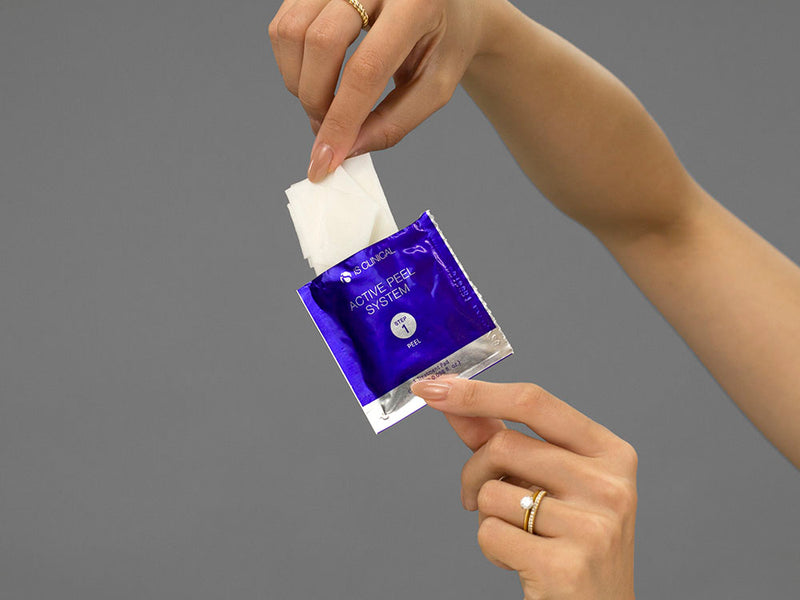
  • iS Clinical

    Active Peel System

    5.0 out of 5.0 stars

    $99.00

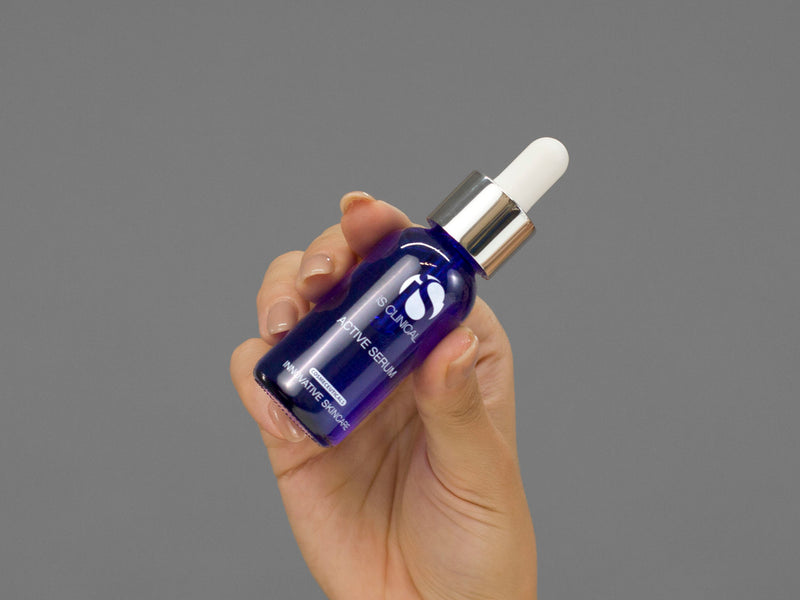
  • iS Clinical

    Active Serum

    5.0 out of 5.0 stars

    $155.00

  • SkinBetter Science

    AlphaRet Body Overnight Cream

    5.0 out of 5.0 stars

    From $40.00

  • SkinBetter Science

    AlphaRet Clearing Serum

    4.8 out of 5.0 stars

    From $145.00

  • SkinBetter Science

    AlphaRet Exfoliating Peel Pads

    5.0 out of 5.0 stars

    $130.00

  • SkinBetter Science

    AlphaRet Overnight Cream

    5.0 out of 5.0 stars

    From $76.00

  • Anfisa

    Γ‚N-DEW

    4.9 out of 5.0 stars

    From $125.00

  • Face Reality

    Antioxidant Scrub

    4.9 out of 5.0 stars

    $34.00

  • Environ

    $72.00

  • Environ

    From $86.00

  • GlyMed

    Beta Gel

    5.0 out of 5.0 stars

    $52.00

  • Marini SkinSolutions

    $103.00

  • Marini SkinSolutions

    $46.00

  • Biojuve

    Biojuve Travel Kit

    4.5 out of 5.0 stars

    $70.00

  • SkinBetter Science

    BioRewind

    5.0 out of 5.0 stars

    From $135.00

  • Plated

    $338.00

  • Vivant

    BP 10% Gel Medication

    5.0 out of 5.0 stars

    $44.00

  • Vivant

    $26.00

  • Revision

    Brightening Facial Wash

    5.0 out of 5.0 stars

    $47.00

  • Vivant

    $30.00

More Skin Concern Guides

View all

Illustration of a young woman with fair skin, with small dark blackheads across her nose and tiny pale whiteheads on her forehead.
  • by Laziza Strait

Blackheads and Whiteheads: What Clogs a Pore and How to Clear It

Blackheads and whiteheads are clogged pores that have not turned red or sore. Here is what forms the plug, why many nose blackheads are something else, and how to clear them.

Read moreabout Blackheads and Whiteheads: What Clogs a Pore and How to Clear It

Close illustration of the eyes of a South Asian woman with medium-brown skin, with darker brown-purple shadows beneath both eyes.
  • by Laziza Strait

Dark Circles: What Causes Them and What Skincare Can Change

Dark circles come from extra pigment, blood vessels showing through thin skin, or shadow from a hollow under the eye. Here is how to tell which you have and what skincare can change.

Read moreabout Dark Circles: What Causes Them and What Skincare Can Change

Illustration of an East Asian woman in her late fifties with fine crisscross lines on her cheek, beside a magnified circle showing stiff, tangled collagen fibres.
  • by Laziza Strait

Glycation: How Sugar Stiffens Skin and What Can Slow It

Glycation is sugar bonding to the collagen in your skin, leaving it stiffer and more yellow over the years. Here is how it happens, what speeds it up and what can slow it down.

Read moreabout Glycation: How Sugar Stiffens Skin and What Can Slow It