5 min read

Most exfoliants keep working until you rinse them off, which is how people end up with skin that is red, tight and worse than when they started. Enzymes are different. They do their job and then stop on their own, which makes them almost impossible to overdo.

The short answer

Enzymes dissolve the protein bonds holding dead cells onto your skin, which lets the dull surface layer lift away and the fresher skin underneath show through. They work on dead protein only and stop once it is gone, which makes them the most forgiving exfoliant available. Skin looks brighter and feels smoother as soon as you rinse.

Suits All skin types, Sensitive, Rosacea-prone, Dry, Dehydrated, Acne-prone
Read time 5 min
Diagram comparing an enzyme, which works only on the dead flakes at the surface and stops, with an acid, which travels down into the layers beneath.
An enzyme only recognizes dead protein at the surface, so it stops when that is gone. An acid keeps working until you rinse it off.

What it does

Enzymes dissolve the protein bonds holding dead cells onto your skin, which lets the dull surface layer lift away and the fresher skin underneath show through. They work on dead protein only and stop once it is gone, which makes them the most forgiving exfoliant available. Skin looks brighter and feels smoother as soon as you rinse.

Why exfoliating makes a difference

Your skin replaces itself constantly. New cells form in the lower layers, travel upward over several weeks, and eventually die and flake away from the surface.

That shedding slows down with age, and it slows further if your skin is dry. When dead cells linger, they sit unevenly on the surface, which scatters light instead of reflecting it. That is what dullness actually is, and it is also why skin feels rough to the touch.

Exfoliating simply helps that layer leave sooner.

How exfoliating enzymes do it

Worth a quick note on the word first. Enzymes turn up in skincare doing several different jobs, and the ones this article is about are the exfoliating enzymes.

Those dead cells are held onto your skin by bonds made of protein, a little like mortar between bricks.

An enzyme is a biological tool that performs one specific job. The enzymes used for exfoliation are proteases, and their single job is cutting protein apart. Applied to your skin, they go to work on that protein mortar, and the loosened cells lift away.

Why they stop on their own

This is what makes enzymes different from other exfoliants, and it is worth understanding properly.

An enzyme only recognizes one kind of target. In this case that target is dead keratin protein sitting on the surface. Once the enzyme has worked through what is there, the reaction stops. It is not sitting on your face looking for something else to break down, and it cannot reach living tissue.

Exfoliating acids work differently. Glycolic and lactic acid lower the pH of your skin, and they keep working until you rinse them off or your skin neutralizes them. They also travel below the surface, which is how they reach concerns an enzyme cannot, including fine lines and congestion.

For some people, that deeper activity causes irritation. Enzymes stay on the surface, which is a real advantage if your skin is reactive, or if you would simply rather not have deeper exfoliation happening. It is why we suggest them to clients who have had a rough time with exfoliation before.

Working on the surface does set the limits of what enzymes do. They smooth texture and bring back brightness, and they will not shift individual dark marks or clear a blocked pore, which is honest to say.

Where skincare enzymes come from

Mostly fruit. Papain comes from papaya and bromelain from pineapple, and both were noticed because of what they do in a kitchen long before anyone put them on a face. Pineapple makes your tongue tingle and papaya tenderizes meat for the same reason it smooths your skin: these enzymes break down protein.

Pumpkin is another common source, and some products use protease and lipase produced by fermentation rather than extracted from fruit, which gives a more consistent result.

Rubbing actual papaya on your face is not the same thing. The enzymes in a formulated product are purified, stabilized and present at a known concentration, where fruit from the chopping board varies in both strength and acidity.

Diagram comparing dull skin, where light scatters off an uneven flaky surface, with exfoliated skin, where light reflects back evenly.
Dead cells sitting unevenly scatter light instead of reflecting it. That is what dullness actually is.

What to look for on a label

Papain, bromelain, protease, lipase

These are the names that tell you an actual enzyme is in the bottle.

If a label only says papaya fruit extract or pineapple fruit extract without naming the enzyme, you may be looking at a fruit extract included for its antioxidants rather than for exfoliation. Both are legitimate ingredients that do different things, and only the named enzyme is going to smooth your skin.

Enzymes need water to work

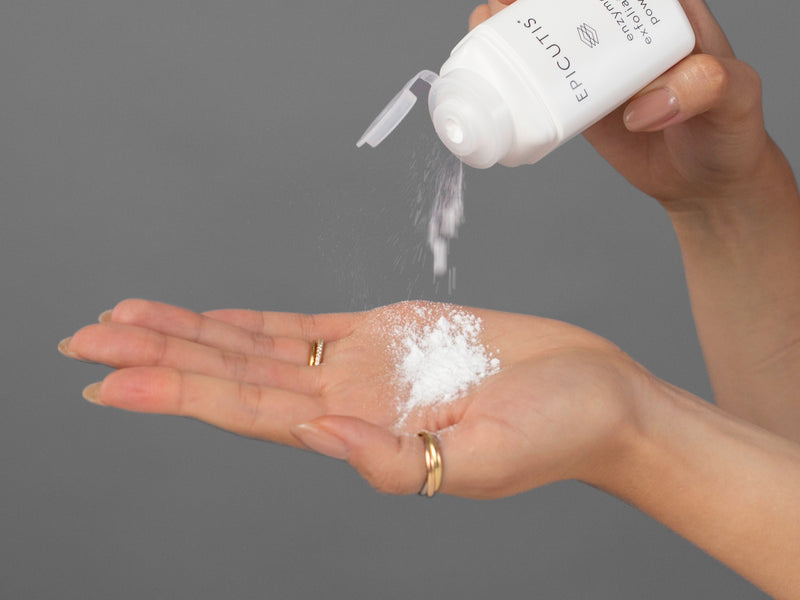
This explains a format you may have wondered about. Some enzyme products come as a dry powder you mix with water in your palm, and that is not a gimmick. Enzymes become unstable sitting in liquid over time, which means keeping them dry until the moment of use keeps them active. Masques get around the same problem with different formulation, and both approaches work.

It also means an enzyme masque works best on damp skin and while it stays damp. Once it has dried out on your face, the reaction has stopped and you are simply wearing a mask.

Often paired with a mild acid

Plenty of good enzyme products include a low level of lactic or mandelic acid alongside the enzyme. That is a deliberate combination rather than padding: the acid loosens things at a slightly deeper level while the enzyme handles the surface, and at low concentrations it stays comfortable.

How they fit with everything else

Enzymes are rinsed off at the end, which means they do not conflict with anything in your routine. Use one on a night you are not using your retinoid or an exfoliating acid, and everything else carries on unchanged.

Because they clear the dead layer, whatever you apply afterwards absorbs better, which makes it a good moment for your hydrating serum.

Common questions

Enzymes or exfoliating acids?

They do different jobs rather than being stronger and weaker versions of the same one. Enzymes work on the surface and stop, which makes them well suited to brightness, texture and sensitive skin. Exfoliating acids travel further into the skin and keep working, which is what you need for dark marks, congestion and fine lines.

Both are excellent at what they do, and most people get on well using them on different days. If you can only have one and your skin is reactive, start with enzymes.

How soon will I see something?

Straight away. Skin looks brighter and feels smoother as soon as you rinse, which is why an enzyme masque is a nice thing to do before an event. Keep it up weekly and the brightness holds rather than coming and going.

Can I over-exfoliate with them?

It is much harder than with acids or scrubs, because the reaction stops on its own once the dead protein is gone.

Using one daily is still more than your skin needs. And if you are combining an enzyme with acids, a retinoid and a scrub, the total is what matters rather than any single product. Two or three times a week is plenty.

Will it help my breakouts?

A little, by keeping dead cells from adding to the blockage, and enzymes are a comfortable option for skin that is too irritated for anything stronger.

For genuine congestion, salicylic acid gets down inside the pore in a way an enzyme cannot. The two suit different situations.

Are they safe in pregnancy?

Enzymes are one of the safer choices when a lot of actives come off the table, because they stay on the surface and nothing is absorbed. Do check with your OB or midwife before starting anything new, as always.

Do they make me sun sensitive?

Not in the way exfoliating acids do. You have still removed the dull top layer, which means the fresher skin underneath deserves your sunscreen.

Illustration of an enzyme mask being worn in the shower, where steam keeps it damp and active.
Our favorite way to use an enzyme masque. The steam keeps it damp and working without you thinking about it.

How to use it

  • Two or three times a week is the sweet spot. Once a week is plenty if your skin is reactive.
  • Our favorite way to use an enzyme masque is in the shower. Put it on at the start, wash your body, and let the steam keep it damp and working while you get on with everything else. Enzymes need water to stay active, and the shower does that for you without you thinking about it.
  • If you are using it at the sink instead, apply to damp skin rather than dry, and mist your face if the masque starts to dry out. A dried masque has stopped working.
  • Ten to fifteen minutes is all it needs.
  • Rinse with lukewarm water and no scrubbing. The enzyme has already loosened everything, so there is nothing to rub off.
  • Follow with your hydrating serum and moisturizer. Absorption is better right after exfoliating.
  • Not on the same night as your retinoid or an acid. Alternate them instead.
  • Broad spectrum SPF 30 or higher every morning, reapplied through the day.
Evidence and sources

A note on the evidence. The biochemistry here is not in question: papain and bromelain are well characterized proteolytic enzymes and have been studied for decades, in medicine as much as in cosmetics. What is thinner is head-to-head clinical work comparing enzyme exfoliation with acids on specific skin concerns, so the case for enzymes rests on a well understood mechanism and a great deal of practical experience rather than on large trials. The immediate smoothing and brightening are easy to see for yourself, and that is most of what this ingredient promises.

Last reviewed

Products with Enzymes

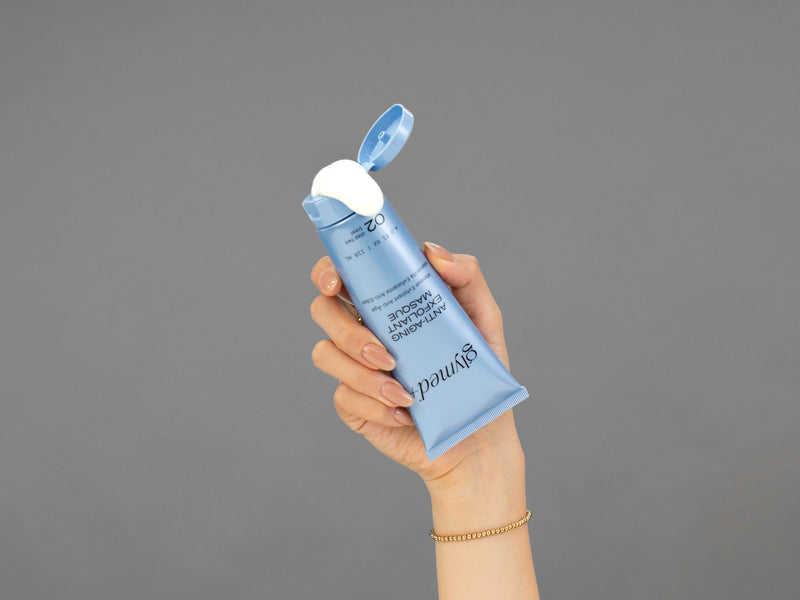
  • GlyMed

    Anti-Aging Exfoliant Masque

    5.0 out of 5.0 stars

    $51.50

  • Hale & Hush

    Clarify Wash

    5.0 out of 5.0 stars

    From $26.00

  • Epicutis

    Cleansing Essentials Set

    4.9 out of 5.0 stars

    $105.00

  • Vivant

    $72.00

  • GlyMed

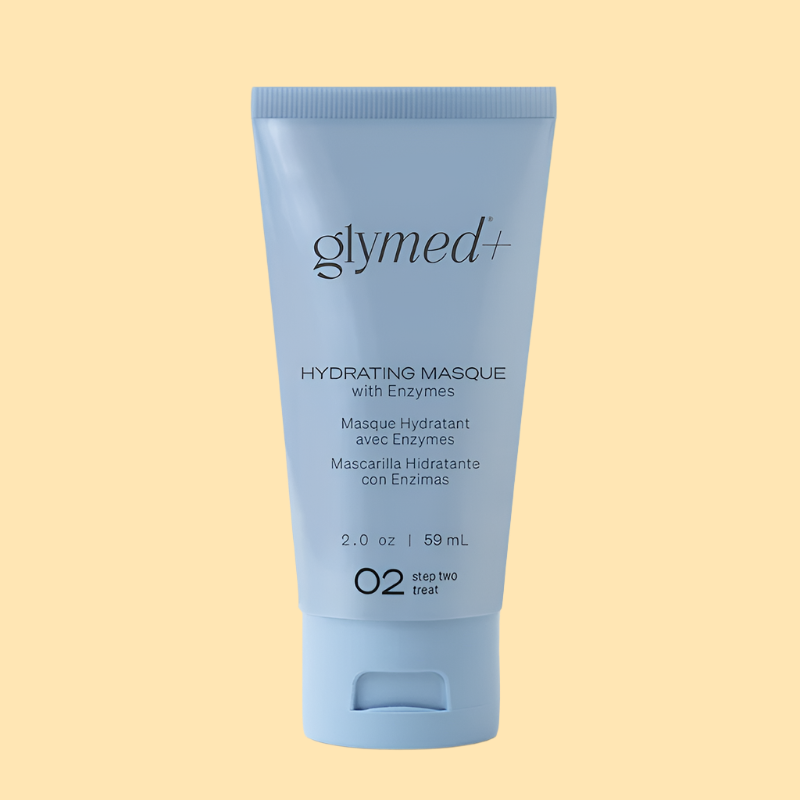
    Hydrating Masque

    5.0 out of 5.0 stars

    $54.00

  • Hale & Hush

    $52.00

  • Hale & Hush

    $32.00

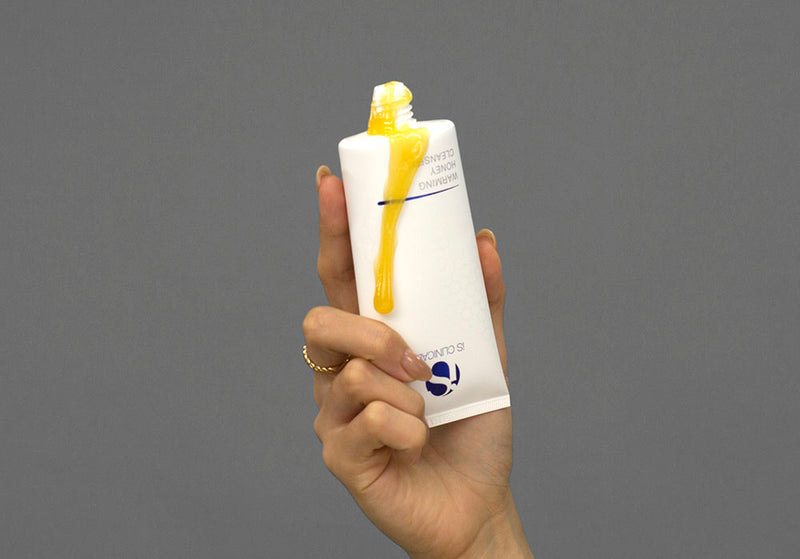
  • iS Clinical

    Warming Honey Cleanser

    4.4 out of 5.0 stars

    $52.00

  • GlyMed Hydrating Masque
    5.0 out of 5.0 stars
    $54.00

    GlyMed

    Hydrating Masque 5.0 out of 5.0 stars

    $54.00

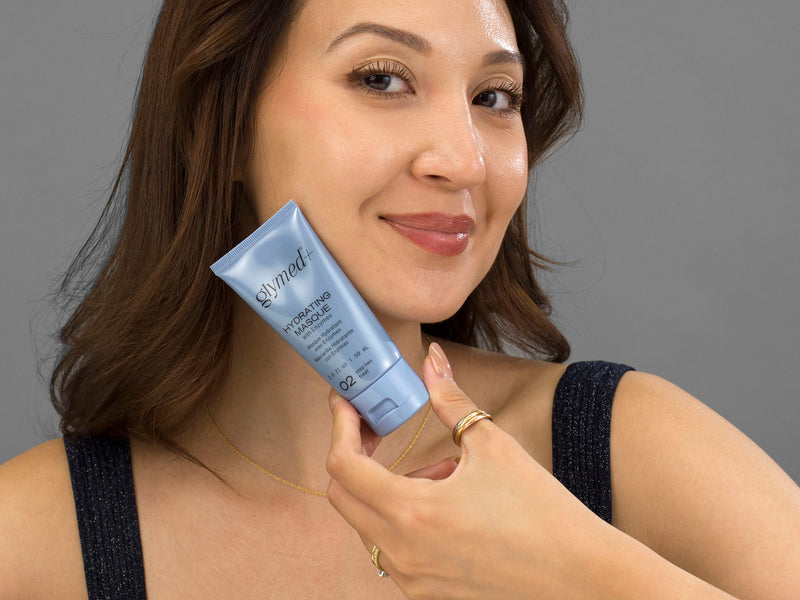
    An enzyme-powered mask that exfoliates, detoxifies, and deeply hydrates for a radiant, renewed skin texture.

More Ingredient Guides

View all

German chamomile flowers beside a slate blue dish holding drops of clear, pale golden oil on a warm stone surface.

Bisabolol for Calming Redness and Irritation

Bisabolol is the calming compound first found in chamomile, and it quiets the inflammation behind redness, stinging and itch. Here is how it works, who it suits and how to use it.

Read moreabout Bisabolol for Calming Redness and Irritation

Fresh comfrey leaves and purple flowers beside a slate blue dish of fine white allantoin powder on a warm stone surface.

Allantoin for Rough, Dry and Irritated Skin

Allantoin softens rough, flaky skin and soothes irritation, and the US FDA recognizes it as a skin protectant. Here is how it works, what the research shows and how to use it.

Read moreabout Allantoin for Rough, Dry and Irritated Skin

Fresh centella sprigs with small round scalloped leaves on a warm stone surface beside a slate blue ceramic dish, against a soft blush backdrop.

Centella for Redness and Reactive Skin

Centella calms inflammation, helps skin hold on to water and supports repair after irritation. Here is what the research shows, what cica means on a label and how to use it.

Read moreabout Centella for Redness and Reactive Skin