7 min read

When skin looks dull, the first instinct is often to add another serum, while the cause is usually a layer of dead cells, dehydration or a run of short nights. Once you know which one is behind it, a few small, steady changes bring the glow back.

The short answer

Dull skin is skin that scatters light rather than reflecting it evenly. The usual causes are dead cells building up on the surface, dehydration, sun damage, and tiredness and stress. Gentle exfoliation, steady hydration and an antioxidant such as vitamin C under daily sunscreen bring the glow back. None of it needs a long routine: a cleanser, a moisturizer, sunscreen and one or two targeted products are enough.

Read time 7 min
Suits All skin types, Dry, Dehydrated, Mature
Diagram of four icons in a row: a stack of flakes, a cracked water droplet, a sun and a crescent moon.
Most dullness traces back to one of these, and knowing which one is behind yours tells you what to change.

What makes skin look dull

Glowing skin reflects light evenly. When light reaches a smooth, well-hydrated surface, much of it travels evenly into the upper layers and back out again, which gives skin that soft, lit-from-within look. When the surface is uneven, light scatters in every direction instead, and skin looks flat.

Most people assume the top layers of skin are dead and irrelevant. They are not. They signal to the deeper layers to regulate hydration and cell renewal, and how smooth and hydrated they are decides much of how your skin catches the light.

The main causes of dullness

Dead cell buildup is one of the most common causes. Your skin sheds its oldest cells all the time, and that shedding slows with age, sun damage and dry air. The cells that linger sit unevenly and scatter light.

Dehydration makes the surface less smooth. In a lab study, drying out the top layer of skin made it scatter more light, and moisturizing it made skin look more translucent and slightly pinker. Water and oil work together here, with oil sitting on top and holding the water in.

Sun damage builds up over years. Ultraviolet light breaks down collagen and leaves pigment uneven across the face, which makes the whole complexion look less clear.

Tiredness and stress show in the skin too. In one study, people rated photos of the same faces as paler after a night without sleep. Blood flow near the surface is part of what gives skin its warm glow, which is also why skin often looks brighter after exercise.

Brightening is not the same as fading dark marks

These seem like the same thing, and they are different jobs. Brightening improves your whole complexion, which is what gives you that glow: a smoother surface, better hydration and light reflecting more evenly. Fading dark marks is targeted work on specific patches of excess pigment, and it needs a pigment ingredient.

Some ingredients do both. Vitamin C, niacinamide and glutathione brighten the whole complexion and also work on excess pigment, which makes them useful when your skin looks dull and uneven at once.

Diagram comparing an uneven skin surface, where incoming light scatters in many directions, with a smooth surface where light reflects back evenly with a soft glow.
Glow comes from light bouncing back evenly, which is why a smooth, hydrated surface looks brighter than a rough one.

How to bring back your glow

Exfoliate gently and regularly

Exfoliation clears the uneven layer of dead cells and lets light reflect more evenly. These are the exfoliants we use most for dullness, and each has its own article in the Ingredients that help section below.

Exfoliating enzymes work on the surface only, breaking down the bonds between dead cells. They suit reactive skin, and anyone who would rather not have deeper exfoliation.

Lactic acid exfoliates and hydrates at the same time, which makes it a good fit for dull skin that is also dry.

Glycolic acid is the smallest of the exfoliating acids and travels furthest into the skin. It brightens and also helps with fine lines and texture.

Mandelic acid has a larger molecule and enters the skin more slowly than glycolic acid, and it suits breakout-prone skin and deeper skin tones.

Each of these is excellent at what it does, and they suit different situations. Start with one, two or three nights a week.

Keep your skin hydrated

A moisturizer every day keeps the surface smooth. If your skin feels tight, add a hyaluronic acid serum underneath. Hyaluronic acid holds water in the upper layers of the skin, and the smoother, plumper surface shows quickly.

Add an antioxidant

Vitamin C is an antioxidant that helps protect your skin from sun damage, supports collagen and slows pigment production. It works well under sunscreen in the morning, and some forms can be used in the evening too.

Niacinamide supports your barrier and evens tone, and it works alongside almost everything else in a routine.

Glutathione is an antioxidant your body makes, and applied topically it helps brighten and even tone.

Wear sunscreen every day

Sun damage is one of the main causes of dullness, which makes daily sunscreen part of bringing the glow back. The right sunscreen for you is the one you will actually apply every morning and reapply throughout the day.

Add a carboxy mask

A carboxy mask applies carbon dioxide to your skin, which prompts your blood to release more oxygen into the tissue and improves circulation, and that brings back a healthy glow. Once a month is enough for most people. The mask is removed at the end, which means it does not conflict with anything else in your routine.

Common questions

How long until my skin looks brighter?

Hydration shows within days. Gentle exfoliation usually brings a visible difference within two to four weeks, and antioxidant serums build over eight to twelve weeks.

Week two is where people tend to add more products, because the change is subtle in the mirror. Keep going without changing anything. The photo routine in the How to use it section below makes the change easier to see.

Will a brightening product lighten my skin tone?

No. Brightening works on the surface and on excess pigment. Your natural skin tone is set by your genes, and the ingredients here do not change it.

Can sleep and diet change how dull my skin looks?

Yes. Poor sleep shows in the skin as paleness, and a regular sleep pattern is one of the simplest things that helps.

Vitamin C from food reaches your skin as well as the rest of your body, and a diet with plenty of fruit and vegetables supports it. Research has not settled how a serum applied topically compares with eating more, and doing both is reasonable.

Does dullness look different on deeper skin tones?

Yes. It often shows as an ashy or gray cast, especially when skin is dry. Deeper skin pigments much easier, and aggressive exfoliation and the dryness that follows can trigger new pigment. Gentle exfoliants such as enzymes, lactic acid or mandelic acid, with steady hydration, bring the glow back with less risk of new marks.

Can I use these ingredients during pregnancy?

Yes, with some ingredient changes. Vitamin C and niacinamide are generally considered safe, and guidance from US obstetricians says over-the-counter glycolic acid may be used if needed. Most retinoids are avoided. Other ingredients depend on your doctor's advice and your own preference, so check with your OB or midwife.

How to use it

  • Exfoliate two or three nights a week with one gentle exfoliant, and increase it as your skin allows.
  • Apply your exfoliant to clean, dry skin, then follow with your moisturizer.
  • Moisturize every morning and evening, with a hyaluronic acid serum underneath if your skin feels tight.
  • Apply your antioxidant serum in the morning, before your sunscreen.
  • Wear broad spectrum SPF 30 or higher every morning, and reapply it throughout the day.
  • Photograph your skin on day one, in the same spot and in natural daylight, and again every four weeks.
Start with the basics Skincare 101: Know Your Skin, Build Your Basics
Evidence and sources
  • Jiang ZX, DeLaCruz J. Appearance benefits of skin moisturization. Skin Research and Technology, 2011. Drying the top layer of skin made it scatter more light, and moisturizing made it look more translucent. Read the study
  • Sundelin T, Lekander M, Kecklund G, Van Someren EJW, Olsson A, Axelsson J. Cues of fatigue: effects of sleep deprivation on facial appearance. Sleep, 2013. Faces were rated as paler after sleep deprivation. Read the study
  • Pullar JM, Carr AC, Vissers MCM. The Roles of Vitamin C in Skin Health. Nutrients, 2017. Vitamin C in antioxidant protection against sun damage and in collagen, and the open question of topical versus dietary vitamin C. Read the review
  • Kornhauser A, Coelho SG, Hearing VJ. Applications of hydroxy acids: classification, mechanisms, and photoactivity. Clinical, Cosmetic and Investigational Dermatology, 2010. How exfoliating acids are used on the skin, and their safety on sun-exposed skin. Read the review

A note on the evidence. Dullness is harder to measure than many skin concerns, which is why much of the research uses light measurements or asks people to rate photographs. The moisturizing study was done in a lab, the sleep study photographed ten people, and the research comparing topical and dietary vitamin C is still developing. What we describe here combines that research with what we see in the clinic.

Last reviewed

Ingredients that help

What each one does, how it works and how to use it.

Products for Dull Skin

  • SkinBetter Science

    A-Team Duo Kit

    5.0 out of 5.0 stars

    $185.00

  • GlyMed

    Accelerator Gel

    5.0 out of 5.0 stars

    $76.50

  • KrX Aesthetics

    Active 31 Revitalizing Eye Cream

    5.0 out of 5.0 stars

    $46.00

  • Face Reality

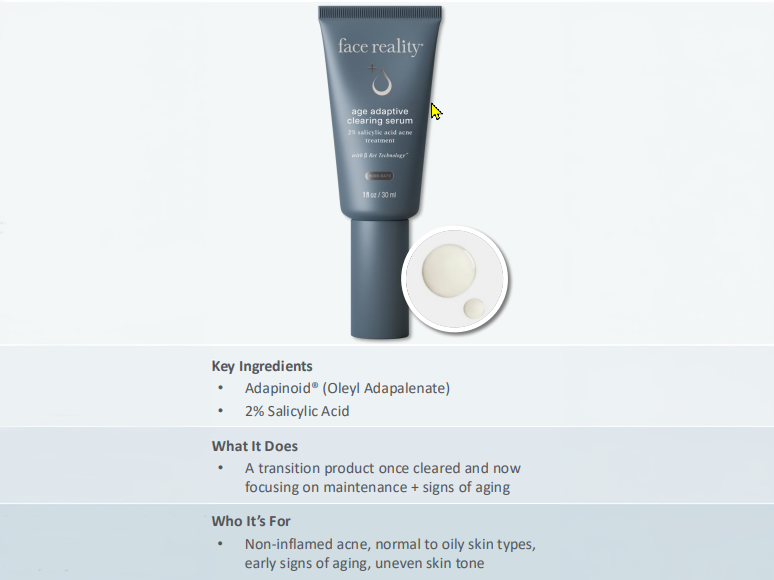
    $38.00

  • iS Clinical

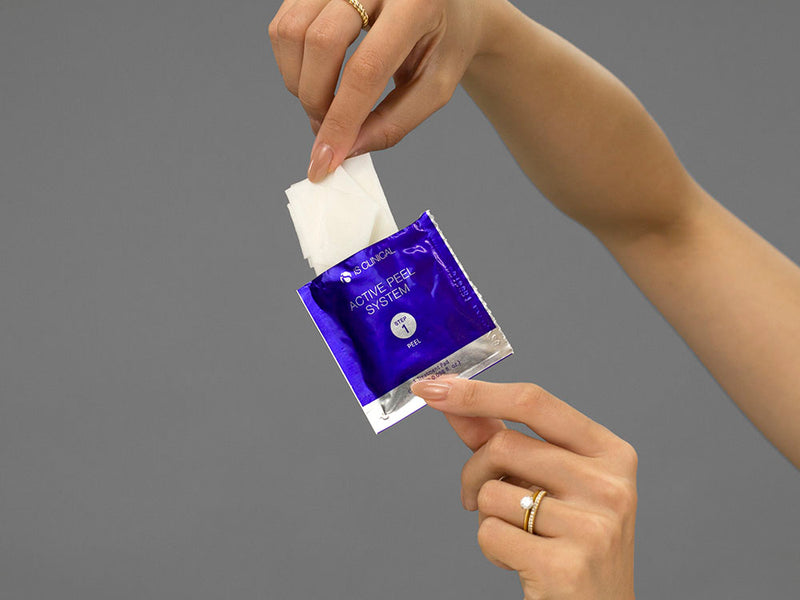
    Active Peel System

    5.0 out of 5.0 stars

    $99.00

  • Young Goose

    From $42.00

  • Epicuren

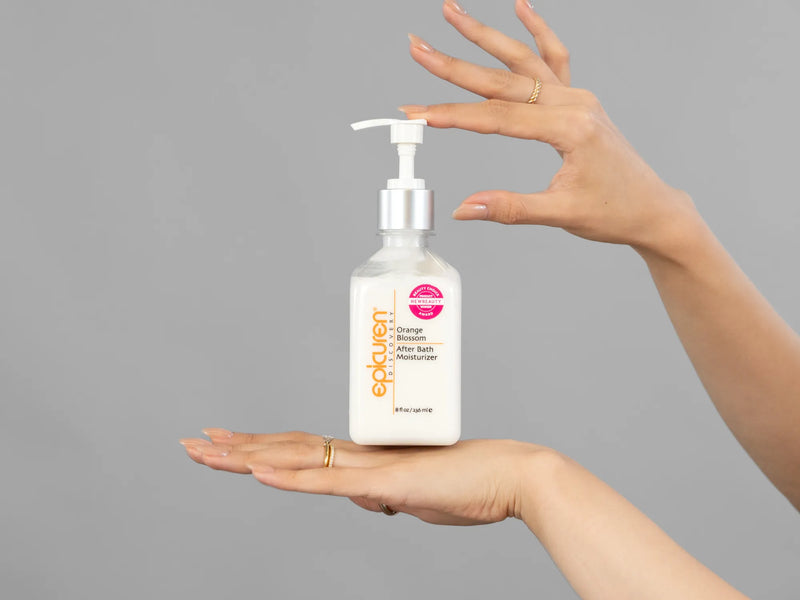
    $53.00

  • Face Reality

    $76.00

  • SkinBetter Science

    AlphaRet Body Overnight Cream

    5.0 out of 5.0 stars

    From $40.00

  • SkinBetter Science

    AlphaRet Clearing Serum

    4.8 out of 5.0 stars

    From $145.00

  • SkinBetter Science

    AlphaRet Overnight Cream

    5.0 out of 5.0 stars

    From $76.00

  • SkinBetter Science

    Alto Advanced Defense and Repair Serum

    4.9 out of 5.0 stars

    From $100.00

  • SkinBetter Science

    Alto Defense Serum

    4.9 out of 5.0 stars

    From $175.00

  • SkinBetter Science

    Ampra Volumizing Serum

    4.7 out of 5.0 stars

    From $96.00

  • Anfisa

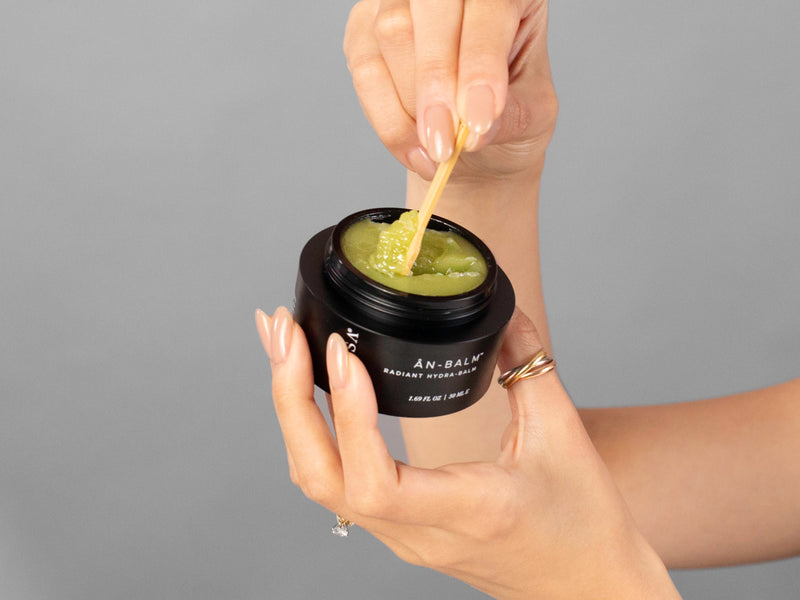
    Γ‚N-BALM

    4.8 out of 5.0 stars

    From $64.00

  • Anfisa

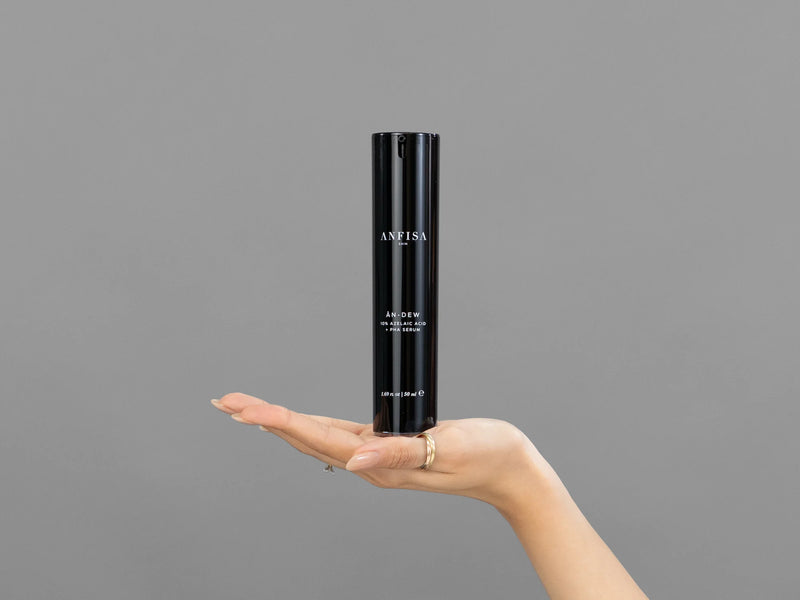
    Γ‚N-DEW

    4.9 out of 5.0 stars

    From $125.00

  • GlyMed

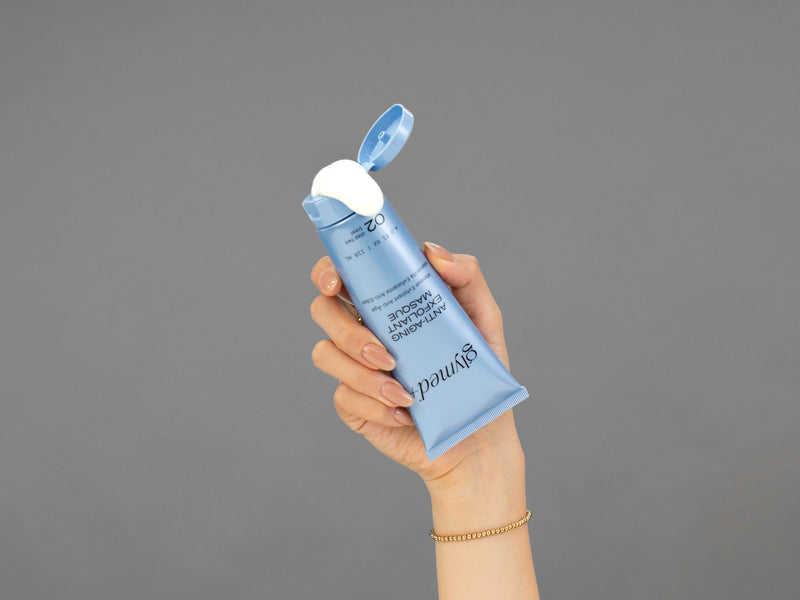
    Anti-Aging Exfoliant Masque

    5.0 out of 5.0 stars

    $51.50

  • Face Reality

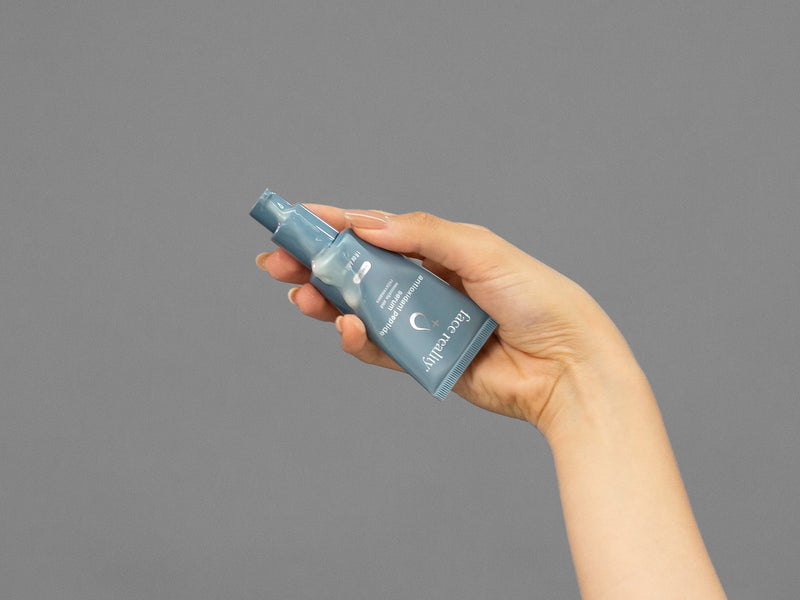
    Antioxidant Peptide Serum

    4.8 out of 5.0 stars

    $56.00

  • Face Reality

    Antioxidant Scrub

    4.9 out of 5.0 stars

    $34.00

  • Environ

    $72.00

  • Environ

    From $86.00

  • GlyMed

    Beauty Oil

    5.0 out of 5.0 stars

    $68.00

  • GlyMed

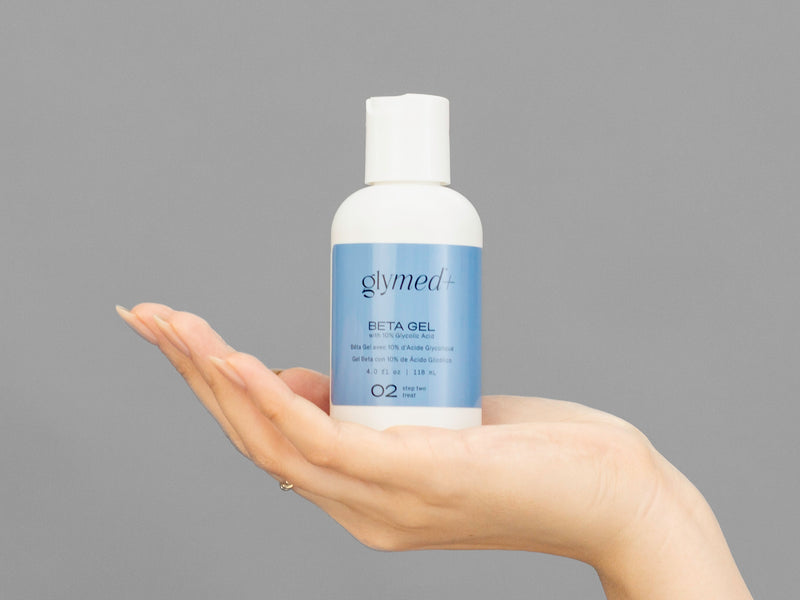
    Beta Gel

    5.0 out of 5.0 stars

    $52.00

  • SkinBetter Science

    Better Balance Duo

    4.7 out of 5.0 stars

    $185.00

More Skin Concern Guides

View all

Illustration of a young woman with fair skin, with small dark blackheads across her nose and tiny pale whiteheads on her forehead.
  • by Laziza Strait

Blackheads and Whiteheads: What Clogs a Pore and How to Clear It

Blackheads and whiteheads are clogged pores that have not turned red or sore. Here is what forms the plug, why many nose blackheads are something else, and how to clear them.

Read moreabout Blackheads and Whiteheads: What Clogs a Pore and How to Clear It

Close illustration of the eyes of a South Asian woman with medium-brown skin, with darker brown-purple shadows beneath both eyes.
  • by Laziza Strait

Dark Circles: What Causes Them and What Skincare Can Change

Dark circles come from extra pigment, blood vessels showing through thin skin, or shadow from a hollow under the eye. Here is how to tell which you have and what skincare can change.

Read moreabout Dark Circles: What Causes Them and What Skincare Can Change

Illustration of an East Asian woman in her late fifties with fine crisscross lines on her cheek, beside a magnified circle showing stiff, tangled collagen fibres.
  • by Laziza Strait

Glycation: How Sugar Stiffens Skin and What Can Slow It

Glycation is sugar bonding to the collagen in your skin, leaving it stiffer and more yellow over the years. Here is how it happens, what speeds it up and what can slow it down.

Read moreabout Glycation: How Sugar Stiffens Skin and What Can Slow It