9 min read

When your skin barrier is damaged, even products you have used for years can start to sting, and adding more products to fix it usually makes it worse. A barrier repairs itself well once the cause is taken away, and the right moisturizer helps it along from the first day.

The short answer

A damaged barrier means the top layers of your skin are letting water out and letting irritants in. It is usually caused by too much of something: exfoliation, active products, cleansing or harsh weather. Repairing it means taking away the cause, keeping your routine to a gentle cleanser, a moisturizer and sunscreen, and choosing a moisturizer with ingredients your skin uses to rebuild, such as ceramides, panthenol and niacinamide.

Read time 9 min
Suits All skin types, Sensitive, Dehydrated

What your skin barrier does

Most people assume the top layers of skin are dead and irrelevant. They are not. They signal to the deeper layers to regulate collagen, hydration and cell renewal, which means a healthy barrier is what everything underneath depends on.

Those top layers are built like a brick wall. The skin cells are the bricks, and fats fill the spaces between them like mortar. Ceramides make up about half of those fats, and the rest is mostly cholesterol and fatty acids. The mortar is what does the work of keeping water in and irritants out.

Water-based hydration and oil-based moisture work together in that wall. Water sits in and around the skin cells, and a thin layer of oils and fats on the surface helps stop that water from evaporating. When the mortar is stripped away or runs low, water escapes, skin feels tight, and ingredients that would stay on the surface of a healthy barrier travel further in, where they sting.

What damages your barrier

Exfoliation is the cause we see most often in the clinic. Exfoliating acids, retinoids, scrubs and peel pads all speed up how quickly the top layer is replaced. Used too often or at too high a strength for your skin barrier, they remove cells faster than your skin can rebuild the wall around them. Several at once add up, even when each one is gentle on its own.

Cleansers come next. A cleanser that leaves your skin squeaky has removed oils that are part of your barrier, and some cleansing ingredients stay behind after rinsing and loosen the mortar. Hot water strips oil too.

The number of products matters as well. Every product contains preservatives, and each extra layer is one more set of ingredients for your barrier to handle. After discussing this with several skin biologists, we suggest six or fewer products layered in a routine.

Weather is the last big cause. Cold air, low humidity, wind and indoor heating all lower how well your barrier works.

Signs your barrier is damaged

Tightness is usually the first sign, often within minutes of cleansing. Skin can feel tight and look shiny at the same time, because it is still making oil but has lost water underneath.

Flaking, rough patches and a dull surface follow. Products that never bothered you start to sting, and your skin may look pink or red.

On deeper skin tones, a damaged barrier can also leave dark patches behind. Deeper skin pigments much easier, and the irritation and dryness that come with a damaged barrier can trigger that pigment.

Damaged barrier or something else?

A damaged barrier has a cause you can usually point to, such as a new exfoliant, a change of cleanser or a cold spell, and it improves once that cause is removed.

Dry skin has a barrier problem all the time. It makes too little oil to hold on to water. It feels tight or rough most of the year, often more in winter, whether or not you have changed anything, and it needs barrier care for good rather than for a few weeks.

Reactive skin stings and flushes because the nerve endings in your skin fire too easily. A damaged barrier often makes it worse.

Eczema is a barrier problem too. The barrier is weaker from the start, which shows up as an itchy rash that keeps returning in the same places, and it needs a doctor's diagnosis.

Diagram of the skin barrier drawn as a brick wall with gaps, with arrows showing exfoliation, harsh cleansers, too many products and cold dry air wearing it down.
Exfoliation, stripping cleansers, long routines and cold, dry air all loosen the fats that hold your barrier together.

How to repair your skin barrier

Take away the cause

For four weeks, pause exfoliating acids, retinoids, scrubs, peel pads and anything fragranced. Keep a gentle cleanser, a moisturizer and a sunscreen, and nothing else. That gives your skin the chance to rebuild the mortar between its cells.

Cleanse gently, and less often

A gentle gel cleanser can keep a barrier safe, but it usually does not help repair it. If you want to actively repair your barrier, choose a cream, milk or oil cleanser, depending on its ingredients, and use it with lukewarm water. If your skin feels tight after cleansing twice a day, cleanse once, in the evening, and rinse with water in the morning. Pat your skin dry rather than rubbing it.

Choose a moisturizer with repair ingredients

Your moisturizer is where the repair happens. Look for one or more of these, each covered in the Ingredients that help section below.

Ceramides, cholesterol and fatty acids replace the fats your barrier is missing. Repair works best with all three in balance.

Panthenol is vitamin B5. It hydrates, calms irritation and gives your skin material to repair itself with.

Niacinamide helps your skin make more of its own ceramides and calms redness. Four to five percent is the range to look for while your barrier is damaged, since higher strengths can sting skin that is already irritated.

Ectoin holds water steady around your skin cells, which helps a barrier that struggles with wind, cold and indoor heating.

Sodium hyaluronate and hyaluronic acid draw water into the top layers, and they work best with oils and fats on top to hold that water in.

Squalane is a light oil similar to one your skin makes itself. It sits on top and slows water loss without feeling heavy.

Probiotics, prebiotics and postbiotics support the balance of bacteria on your skin, which helps when a barrier keeps getting damaged despite a simple routine.

The ingredients above are barrier ingredients. They are part of how your skin repairs, which means there is no need to wait until your skin has settled to start them. Most of them come in moisturizers, and that product is your moisturizer step. If yours come in a serum, apply it first and follow with your moisturizer.

Sunscreen every morning

Sun inflames skin and slows barrier repair. Mineral sunscreens with zinc oxide or titanium dioxide are often more comfortable on a damaged barrier, because the filters settle into the topmost layer of skin and stay there. Apply it every morning and reapply it throughout the day.

Diagram comparing a barrier with gaps and escaping water before repair, and a rebuilt barrier with a layer of oil on top holding water in after repair.
Once the cause is taken away, your skin rebuilds the fats between its cells and holds water in again.

Common questions

How long does a damaged barrier take to repair?

Most people notice less tightness and stinging within one to two weeks of simplifying their routine. In our clinic, the barrier usually takes about four to six weeks to repair fully.

Week two is where people tend to give up on the plan. Skin feels better, and the temptation is to bring the exfoliant back. Wait the full four weeks before changing anything. The photo routine in the How to use it section below makes the progress easier to see.

Can I keep using my retinoid or exfoliant?

No, not while your barrier is repairing. Pause the retinoid or exfoliant for four weeks, then bring it back two or three nights a week once your skin has been comfortable for two weeks. If using it every night caused the damage, two or three nights a week is often the right frequency to stay at. If a doctor prescribed your retinoid, ask them before pausing it.

Is it a damaged barrier or purging?

Purging is small breakouts in the places you usually break out, in the first weeks of a retinoid or exfoliant, because the product brings congestion that was already forming to the surface sooner. A damaged barrier can bring breakouts too, and it also shows up as tightness, stinging, flaking and redness across the whole area you apply the product to. If breakouts come with that tightness and stinging, repair the barrier first.

Will my skin stay sensitive once it has repaired?

No, not usually. A barrier damaged by too much exfoliation, a stripping cleanser or a harsh season often recovers fully, and most people can then use the products they paused. Dry skin is the exception, and needs barrier care for good.

Can I repair my barrier during pregnancy?

Yes. Ceramides, panthenol, niacinamide and hyaluronic acid are commonly used during pregnancy, and most retinoids are avoided. Skincare ingredients are almost never tested on pregnant people, so check anything new with your OB or midwife.

How to use it

  • For four weeks, use only a gentle cleanser, a moisturizer with repair ingredients and a sunscreen.
  • Cleanse with lukewarm water, and once a day if your skin feels tight after twice.
  • Apply your moisturizer morning and evening, and again whenever your skin feels tight.
  • Wear broad spectrum SPF 30 or higher every morning, and reapply it throughout the day.
  • Once your skin has been comfortable for two weeks, bring paused products back one at a time, two or three nights a week, with two weeks between each one.
  • Photograph your skin on day one, in the same spot and in natural daylight, and again every four weeks.
Start with the basics Skincare 101: Know Your Skin, Build Your Basics
Evidence and sources
  • Zettersten EM, Ghadially R, Feingold KR, Crumrine D, Elias PM. Optimal ratios of topical stratum corneum lipids improve barrier recovery in chronologically aged skin. Journal of the American Academy of Dermatology, 1997. How the balance of ceramides, cholesterol and fatty acids applied to the skin changes how quickly the barrier recovers. Read the study
  • Engebretsen KA, Johansen JD, Kezic S, Linneberg A, Thyssen JP. The effect of environmental humidity and temperature on skin barrier function and dermatitis. Journal of the European Academy of Dermatology and Venereology, 2016. How cold air and low humidity lower barrier function and make skin more reactive. Read the review
  • Walters RM, Mao G, Gunn ET, Hornby S. Cleansing Formulations That Respect Skin Barrier Integrity. Dermatology Research and Practice, 2012. How cleansing ingredients can stay in the top layer and loosen the fats between skin cells. Read the review
  • Draelos ZD, Ertel K, Berge C. Niacinamide-containing facial moisturizer improves skin barrier and benefits subjects with rosacea. Cutis, 2005. A four-week study in 50 women with rosacea in which a niacinamide moisturizer improved barrier function and hydration. Read the study

A note on the evidence. How the barrier is built, and how it is damaged, is well described in the research. Studies of individual repair ingredients tend to be small and short. The cleanser review was written by researchers working in the skincare industry, and the niacinamide study was funded by the company that made the moisturizer. What we describe here combines that research with what we see in the clinic.

Last reviewed

Ingredients that help

What each one does, how it works and how to use it.

Products for Damaged Barrier

  • Young Goose

    From $42.00

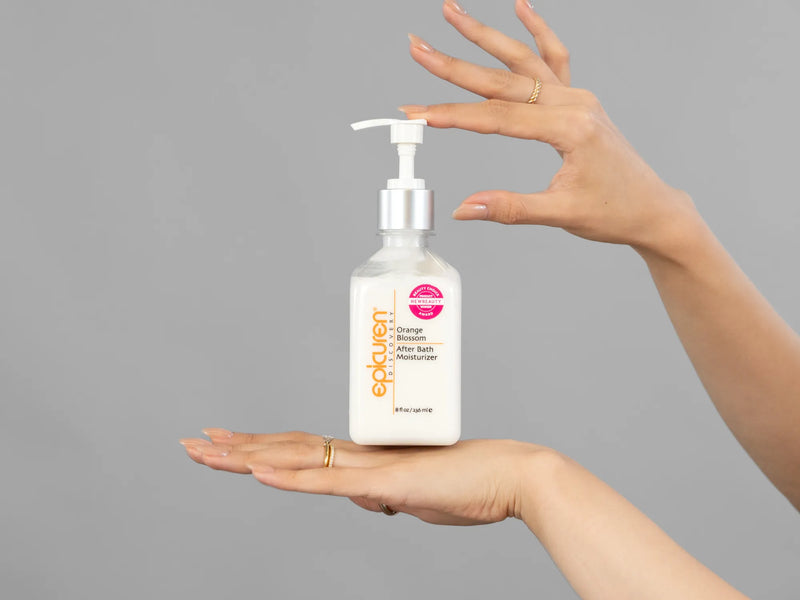
  • Epicuren

    $53.00

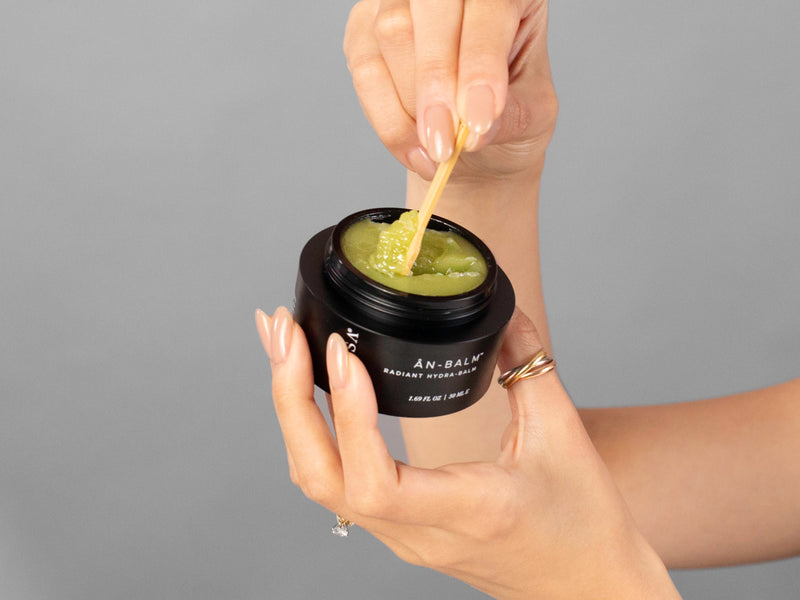
  • Anfisa

    Γ‚N-BALM

    4.8 out of 5.0 stars

    From $64.00

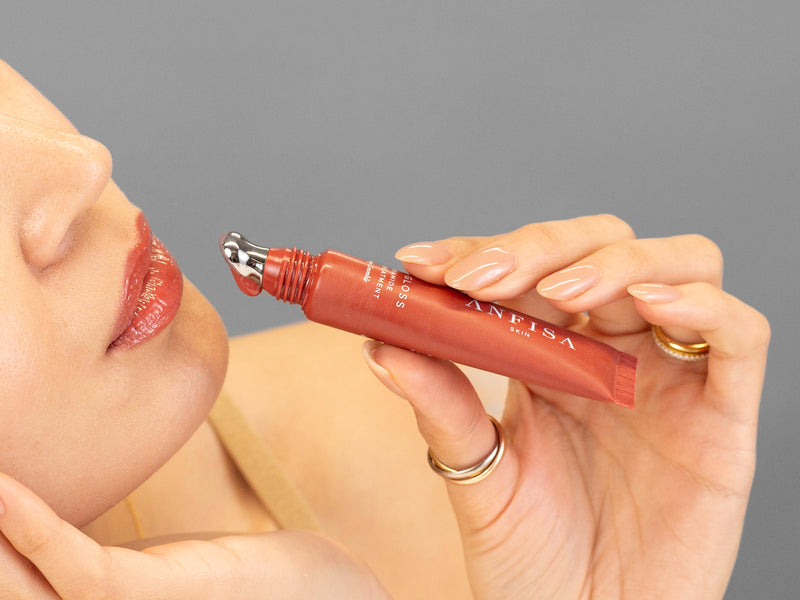
  • Anfisa

    Γ‚N-GLOSS

    4.9 out of 5.0 stars

    $45.00

  • Face Reality

    Barrier Balance Creamy Cleanser

    4.9 out of 5.0 stars

    $37.00

  • Face Reality

    Barrier Care Gel Cream

    4.8 out of 5.0 stars

    $38.00

  • GlyMed

    Barrier Repair Cream

    5.0 out of 5.0 stars

    $104.00

  • SkinBetter Science

    Better Balance Duo

    4.7 out of 5.0 stars

    $185.00

  • Pavise

    Bioadaptive Stress Repair

    4.6 out of 5.0 stars

    From $50.00

  • Biojuve

    Biojuve Travel Kit

    4.5 out of 5.0 stars

    $70.00

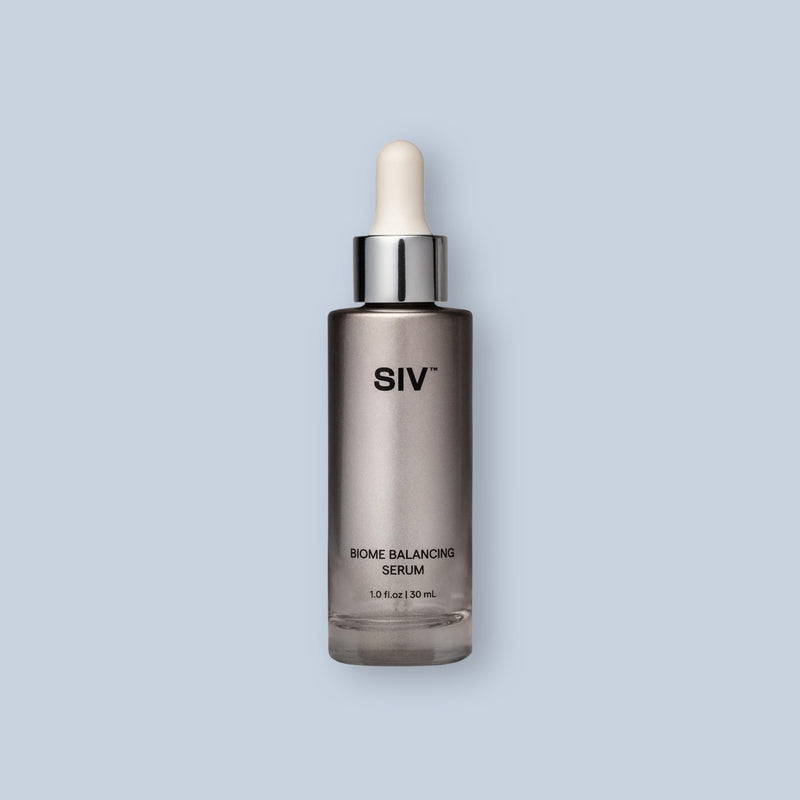
  • SIV

    Biome Balancing Serum

    4.8 out of 5.0 stars

    From $68.00

  • Biojuve

    Biome Support Complex

    4.9 out of 5.0 stars

    $150.00

  • Hale & Hush

    $54.00

  • Alastin

    C-Radical Defense Antioxidant Serum

    4.8 out of 5.0 stars

    $218.00

  • Vivant

    Cleansing Milk

    5.0 out of 5.0 stars

    $26.00

  • Face Reality

    Clear Skin Balance

    4.7 out of 5.0 stars

    $44.00

  • Lumisque

    CO2Lift Carboxy Mousse Moisturizer

    4.8 out of 5.0 stars

    Sale price $225.00 Regular price $249.00

  • Lumisque

    CO2Lift Pro Carboxy Gel Mask

    4.9 out of 5.0 stars

    From $100.00

  • Biojuve

    Conditioning Cleanse

    4.9 out of 5.0 stars

    $42.00

  • iS Clinical

    Daily Dynamic Hydrator

    5.0 out of 5.0 stars

    $135.00

  • Environ

    $126.00

More Skin Concern Guides

View all

Illustration of a young woman with fair skin, with small dark blackheads across her nose and tiny pale whiteheads on her forehead.
  • by Laziza Strait

Blackheads and Whiteheads: What Clogs a Pore and How to Clear It

Blackheads and whiteheads are clogged pores that have not turned red or sore. Here is what forms the plug, why many nose blackheads are something else, and how to clear them.

Read moreabout Blackheads and Whiteheads: What Clogs a Pore and How to Clear It

Close illustration of the eyes of a South Asian woman with medium-brown skin, with darker brown-purple shadows beneath both eyes.
  • by Laziza Strait

Dark Circles: What Causes Them and What Skincare Can Change

Dark circles come from extra pigment, blood vessels showing through thin skin, or shadow from a hollow under the eye. Here is how to tell which you have and what skincare can change.

Read moreabout Dark Circles: What Causes Them and What Skincare Can Change

Illustration of an East Asian woman in her late fifties with fine crisscross lines on her cheek, beside a magnified circle showing stiff, tangled collagen fibres.
  • by Laziza Strait

Glycation: How Sugar Stiffens Skin and What Can Slow It

Glycation is sugar bonding to the collagen in your skin, leaving it stiffer and more yellow over the years. Here is how it happens, what speeds it up and what can slow it down.

Read moreabout Glycation: How Sugar Stiffens Skin and What Can Slow It