9 min read

Skin that gets plenty of hydrating serum can still feel tight by lunchtime, because water on its own evaporates unless a thin layer of oils and fats on the surface helps hold it in. Knowing whether your skin is short on oil, short on water or both tells you exactly what your moisturizer needs to do.

The short answer

Dry skin makes too little oil. Dehydrated skin holds too little water. Many people have both, because oil is part of what holds water in your skin. Restoring it means a gentle cleanser that leaves your own oil in place, and a moisturizer that does two jobs: water-attracting ingredients such as hyaluronic acid, and oils and fats such as squalane and ceramides that hold that water in and stop it evaporating.

Read time 9 min
Suits Dry, Dehydrated, All skin types
Venn diagram with dry skin, short on oil, and dehydrated skin, short on water, overlapping in the middle where skin is both.
Oil is part of what holds water in, which is why skin short on oil is often short on water too.

Dry and dehydrated skin

Dry skin is a skin type. The oil glands in your skin make less oil than average, mostly because of genetics, and oil production also tends to drop with age. Dry skin often feels rough, looks matte and rarely turns shiny, even late in the day.

Dehydrated skin is a condition, and any skin type can have it, including oily skin. It means the top layers are holding too little water. Dehydrated skin feels tight, fine lines look more visible when it is tight, and they soften once moisture goes back in.

Why they so often happen together

Water-based hydration and oil-based moisture work together in your skin. Inside the top layer, your skin cells hold a mix of small, water-attracting molecules called natural moisturizing factor, made largely when a protein called filaggrin breaks down. They keep water inside the cells. Your oil glands add a thin layer of oils and fats on the surface, and that layer helps stop the water from evaporating.

This is worth knowing, because it explains why dry skin is frequently dehydrated too. Skin that makes too little oil has a thinner layer on the surface to hold water in, which means it struggles to keep water even when you add plenty. That is why dry skin has a barrier problem all the time, rather than only when something has gone wrong. The distinction is still useful, because it tells you which half of your moisturizer matters most, and many people need both halves.

When a barrier is damaged on top of that, from over-exfoliating or stripping cleansers, the same tightness comes with stinging and flaking. That needs a short repair routine first, and the advice below fits alongside it.

How to tell which you have

We do not suggest washing your face and waiting to see how it feels. The cleanser itself can leave skin tight, which makes the result unreliable.

Look at how your skin behaves across the seasons and through the day instead. If it feels rough or tight most of the year and rarely looks shiny, it is likely dry. If it feels tight but still turns shiny by the afternoon, or if tightness comes and goes with the weather, your heating or a new product, it is likely dehydrated. If both describe you, you have both, and that is very common.

What makes dryness worse

Weather is the biggest factor. Cold air and low humidity lower how well your skin holds water, and indoor heating dries the air further, which is why so many people feel tighter in winter. How much the weather affects you depends on where you live, since a winter in a cold, dry climate pulls far more water from skin than a mild, humid one.

Cleansing matters next. A cleanser that leaves your skin squeaky has removed oils that are part of your barrier, and losing them thins the layer that helps stop water from evaporating. Long, hot showers do the same.

On deeper skin tones, dryness can look ashy or gray, and the irritation that comes with very dry skin can leave dark patches behind. Deeper skin pigments much easier, which is one more reason to keep dryness under control.

Diagram comparing skin cells with no oil on top, where water evaporates, and skin cells under a layer of oil, where water stays in.
Water-attracting ingredients put water in, and oils on top stop it evaporating, which is why dry skin needs both.

How to restore dry skin

Cleanse without stripping

Dry skin does best with a cream, milk or oil cleanser, chosen for its ingredients, because these help repair the barrier. A gentle gel cleanser keeps a barrier safe but usually does not repair it, so it suits dehydrated skin that is also oily. Use lukewarm water. If your skin feels tight after cleansing twice a day, cleanse once, in the evening, and rinse with water in the morning.

Put water in, then hold it there

A moisturizer for dry skin does two jobs, and the ingredients below cover both. Each one has its own article in the Ingredients that help section below.

Hyaluronic acid and sodium hyaluronate draw water into the top layers of your skin. Sodium hyaluronate is a smaller form that gets further in. They answer dehydration either way, and if you are dry as well, they need oils and fats on top rather than working on their own.

Panthenol is vitamin B5. It draws in water, calms irritation and helps rough, flaky skin repair.

Ectoin holds water steady around your skin cells, which helps skin that tightens with wind, cold and indoor heating.

Ceramides, cholesterol and fatty acids are the fats that hold your skin cells together. Adding all three back, in balance, helps the top layers keep water in.

Squalane is a light oil similar to one your skin makes itself. It sits on top and slows water loss without feeling heavy.

Vitamin E is an antioxidant that protects the oils in your skin, and it is often found alongside oils in richer moisturizers.

Lactic acid is unique among the exfoliating acids because it hydrates your skin while it exfoliates. Used two or three nights a week, it clears the flaky cells that make dry skin feel rough, and your skin feels smoother for it.

If your hydrating ingredients come in a serum, apply it first and follow with your moisturizer. Applying the serum to slightly damp skin is optional, and it can help the serum spread. If your moisturizer already contains both water-attracting ingredients and oils or fats, that one product covers both jobs.

Change your moisturizer with your skin

Many people with dry skin use a richer cream when the air turns cold and dry, and a lighter one when it is warm and humid. Switch when your skin starts to feel different, rather than on a set date. A humidifier in your bedroom during the heated months helps too, because it puts water back into the air your skin is losing water to.

Sunscreen every morning

Many sunscreens made for dry skin are creamy and add moisture of their own. The right sunscreen for you is the one you will actually apply every morning and reapply throughout the day.

Common questions

How long does dry skin take to improve?

Most people feel less tight within the first week of a moisturizer that does both jobs. Rough, flaky texture takes two to four weeks to smooth out, because the flaky cells need to shed and be replaced by new ones.

Week two is where people tend to give up, because skin feels better but still flakes in places. Keep going without changing anything. The photo routine in the How to use it section below makes the progress easier to see.

Can oily skin be dehydrated?

Yes. Oily skin makes plenty of oil and can still be short on water, often after strong cleansers or drying acne products. It feels tight and still looks shiny. A light gel moisturizer with hyaluronic acid suits it well.

Does drinking more water help dry skin?

Yes, if you are not drinking enough. Water keeps your whole body hydrated, and your skin is part of that. A review of the studies on this found that drinking more may raise skin hydration, but there are only a few studies, and the evidence is weak. Drinking enough water and using a moisturizer applied topically is reasonable, because the water in your skin still needs oils and fats over it to stop it evaporating.

Do I need a facial oil?

No, not always. If your moisturizer contains oils and your skin feels comfortable, it is already doing that job. A facial oil helps when your skin still feels tight under a cream, and it goes on last, over your moisturizer, in the evening.

Can I use these ingredients during pregnancy?

Yes, most of them. Hyaluronic acid, ceramides and panthenol are commonly used during pregnancy. Skincare ingredients are almost never tested on pregnant people, so check anything new with your OB or midwife.

How to use it

  • Choose a moisturizer with both water-attracting ingredients and oils or fats, and apply it morning and evening.
  • Cleanse with lukewarm water, and once a day if your skin feels tight after twice.
  • Keep showers short and warm rather than hot.
  • Use lactic acid two or three nights a week if your skin feels rough, and skip it on any night your skin stings.
  • Wear broad spectrum SPF 30 or higher every morning, and reapply it throughout the day.
  • Photograph your skin on day one, in the same spot and in natural daylight, and again every four weeks.
Start with the basics Skincare 101: Know Your Skin, Build Your Basics
Evidence and sources
  • Zettersten EM, Ghadially R, Feingold KR, Crumrine D, Elias PM. Optimal ratios of topical stratum corneum lipids improve barrier recovery in chronologically aged skin. Journal of the American Academy of Dermatology, 1997. How the balance of ceramides, cholesterol and fatty acids applied to the skin changes how quickly the barrier recovers. Read the study
  • Rawlings AV, Harding CR. Moisturization and skin barrier function. Dermatologic Therapy, 2004. Natural moisturizing factor, filaggrin, and how the top layer holds water. Read the review
  • Purnamawati S, Indrastuti N, Danarti R, Saefudin T. The Role of Moisturizers in Addressing Various Kinds of Dermatitis: A Review. Clinical Medicine and Research, 2017. How water-attracting ingredients and oils work together in a moisturizer, and why water-attracting ingredients need oils and fats over them. Read the review
  • Engebretsen KA, Johansen JD, Kezic S, Linneberg A, Thyssen JP. The effect of environmental humidity and temperature on skin barrier function and dermatitis. Journal of the European Academy of Dermatology and Venereology, 2016. Why cold, dry weather lowers barrier function. Read the review
  • Akdeniz M, et al. Does dietary fluid intake affect skin hydration in healthy humans? A systematic literature review. Skin Research and Technology, 2018. The review of drinking water and skin hydration described above. Read the review

A note on the evidence. How skin holds water, and how weather affects it, is well described in the research. Studies of individual moisturizers tend to be small and short, and the research on drinking water and skin is limited to a handful of small studies. What we describe here combines that research with what we see in the clinic.

Last reviewed

Ingredients that help

What each one does, how it works and how to use it.

Products for Dryness

  • KrX Aesthetics

    Active 31 Revitalizing Eye Cream

    5.0 out of 5.0 stars

    $46.00

  • Young Goose

    From $42.00

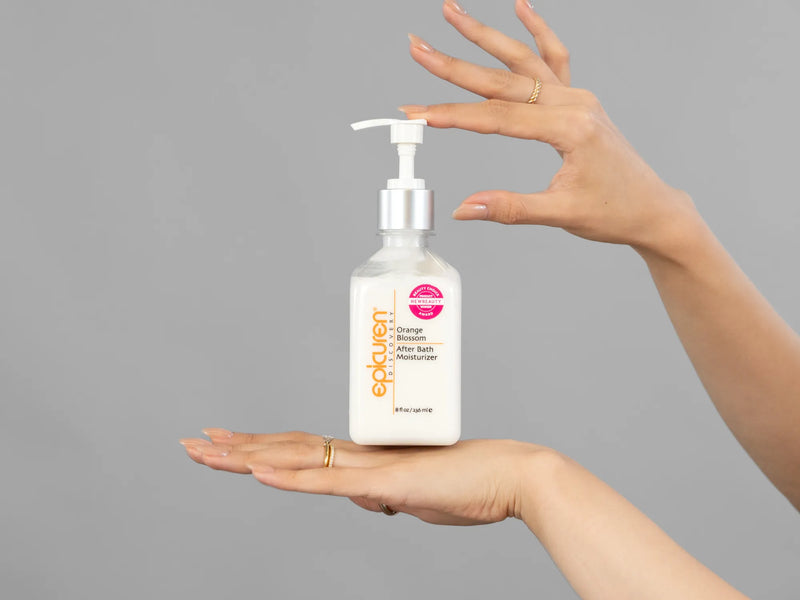
  • Epicuren

    $53.00

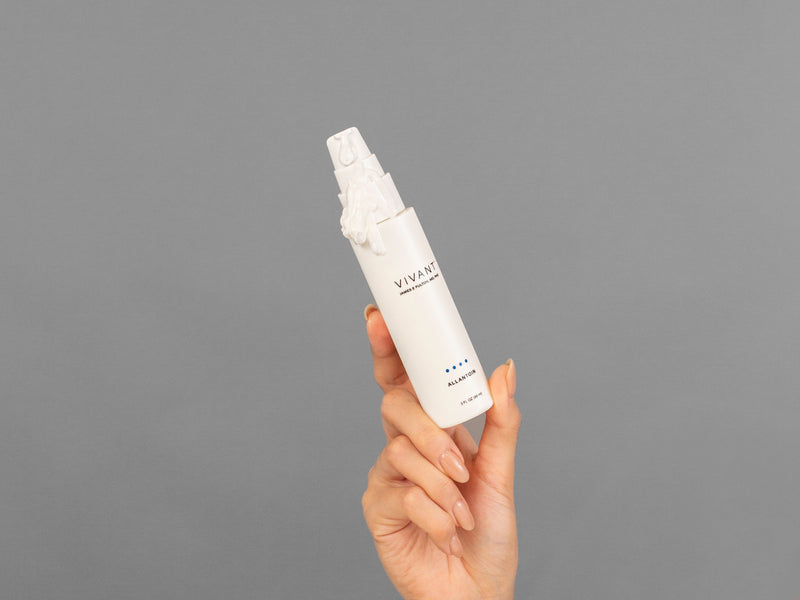
  • Vivant

    Allantoin

    5.0 out of 5.0 stars

    $44.00

  • SkinBetter Science

    AlphaRet Body Overnight Cream

    5.0 out of 5.0 stars

    From $40.00

  • SkinBetter Science

    AlphaRet Overnight Cream

    5.0 out of 5.0 stars

    From $76.00

  • SkinBetter Science

    Ampra Volumizing Serum

    4.7 out of 5.0 stars

    From $96.00

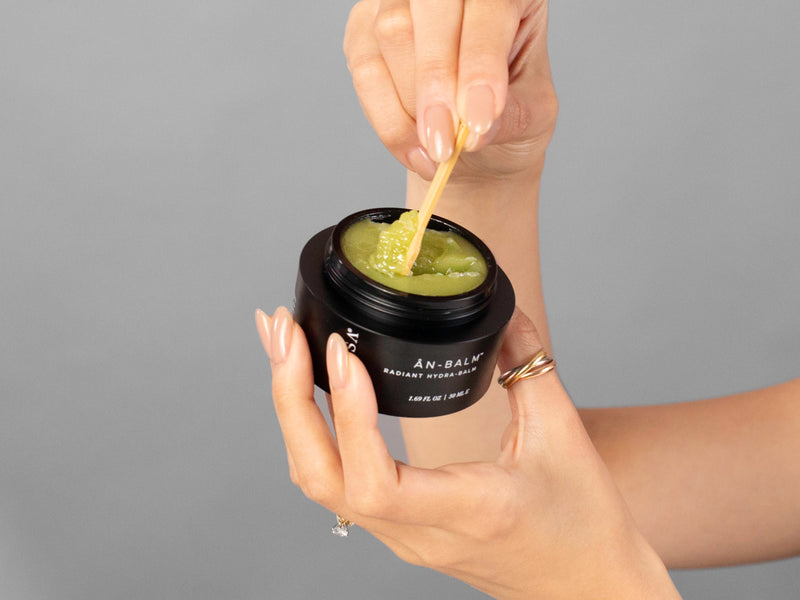
  • Anfisa

    Γ‚N-BALM

    4.8 out of 5.0 stars

    From $64.00

  • Anfisa

    Γ‚N-GLOSS

    4.9 out of 5.0 stars

    $45.00

  • Face Reality

    Antioxidant Peptide Eye Gel

    4.5 out of 5.0 stars

    $48.00

  • Environ

    $72.00

  • Face Reality

    Barrier Balance Creamy Cleanser

    4.9 out of 5.0 stars

    $37.00

  • Face Reality

    Barrier Care Gel Cream

    4.8 out of 5.0 stars

    $38.00

  • GlyMed

    Barrier Repair Cream

    5.0 out of 5.0 stars

    $104.00

  • GlyMed

    Beauty Oil

    5.0 out of 5.0 stars

    $68.00

  • SkinBetter Science

    Better Balance Duo

    4.7 out of 5.0 stars

    $185.00

  • Pavise

    Bioadaptive Stress Repair

    4.6 out of 5.0 stars

    From $50.00

  • Biojuve

    Biojuve Travel Kit

    4.5 out of 5.0 stars

    $70.00

  • Biojuve

    Biome Support Complex

    4.9 out of 5.0 stars

    $150.00

  • Plated

    $338.00

  • Hale & Hush

    $54.00

  • Marini SkinSolutions

    $145.00

  • Environ

    From $138.00

More Skin Concern Guides

View all

Illustration of a young woman with fair skin, with small dark blackheads across her nose and tiny pale whiteheads on her forehead.
  • by Laziza Strait

Blackheads and Whiteheads: What Clogs a Pore and How to Clear It

Blackheads and whiteheads are clogged pores that have not turned red or sore. Here is what forms the plug, why many nose blackheads are something else, and how to clear them.

Read moreabout Blackheads and Whiteheads: What Clogs a Pore and How to Clear It

Close illustration of the eyes of a South Asian woman with medium-brown skin, with darker brown-purple shadows beneath both eyes.
  • by Laziza Strait

Dark Circles: What Causes Them and What Skincare Can Change

Dark circles come from extra pigment, blood vessels showing through thin skin, or shadow from a hollow under the eye. Here is how to tell which you have and what skincare can change.

Read moreabout Dark Circles: What Causes Them and What Skincare Can Change

Illustration of an East Asian woman in her late fifties with fine crisscross lines on her cheek, beside a magnified circle showing stiff, tangled collagen fibres.
  • by Laziza Strait

Glycation: How Sugar Stiffens Skin and What Can Slow It

Glycation is sugar bonding to the collagen in your skin, leaving it stiffer and more yellow over the years. Here is how it happens, what speeds it up and what can slow it down.

Read moreabout Glycation: How Sugar Stiffens Skin and What Can Slow It