When your skin barrier is damaged, even products you have used for years can start to sting, and adding more products to fix it usually makes it worse. A barrier repairs itself well once the cause is taken away, and the right moisturizer helps it along from the first day.
The short answer


How to use it
Last reviewed
What each one does, how it works and how to use it.

Ceramides are half the mortar holding your skin together, and running low is why skin turns tight and reactive. Here is how replacing them repairs a struggling barrier.
Read about it
Panthenol is vitamin B5 in a form your skin absorbs. It hydrates, calms irritation and supplies material for barrier repair, all at once. Here is why it makes everything else easier to use.
Read about it
Niacinamide calms redness, strengthens the barrier, evens pigment and regulates oil, all without irritation. Here is why four to five percent is the number and how it fits with everything else.
Read about it
Ectoin holds water steady around your skin cells, so skin that reacts to wind, heat, flights and city air stays calm. Here is what the eczema trials found and how to use it.
Read about it
Sodium hyaluronate is the salt form of hyaluronic acid, and usually the better choice. Here is why it is on the back of the bottle when the front says something else.
Read about it
Hyaluronic acid holds a thousand times its weight in water and plumps skin the same day. Here is how to apply it so it works, and why it sometimes backfires.
Read about it
Squalane is the stable version of an oil your skin already makes, and it suits dry, reactive and acne-prone skin without clogging pores. Here is the one-letter difference that matters on a label and where it belongs in your routine.
Read about it
Your skin is covered in bacteria doing useful work. Here is the difference between prebiotic, probiotic and postbiotic, and what supporting your microbiome actually does.
Read about it
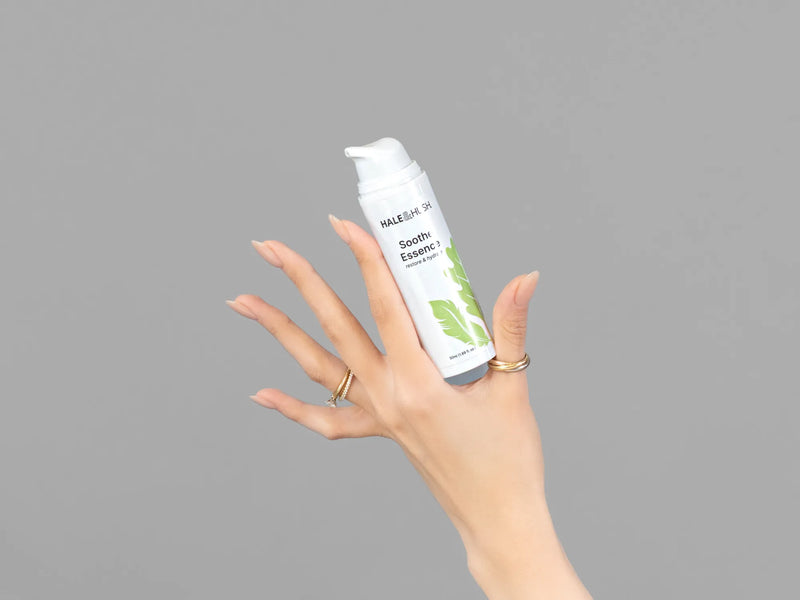
Calms reactive skin while supporting barrier repair and hydration.

Recovery sheet mask that hydrates deeply, calms stressed or post-procedure skin, and speeds healing.

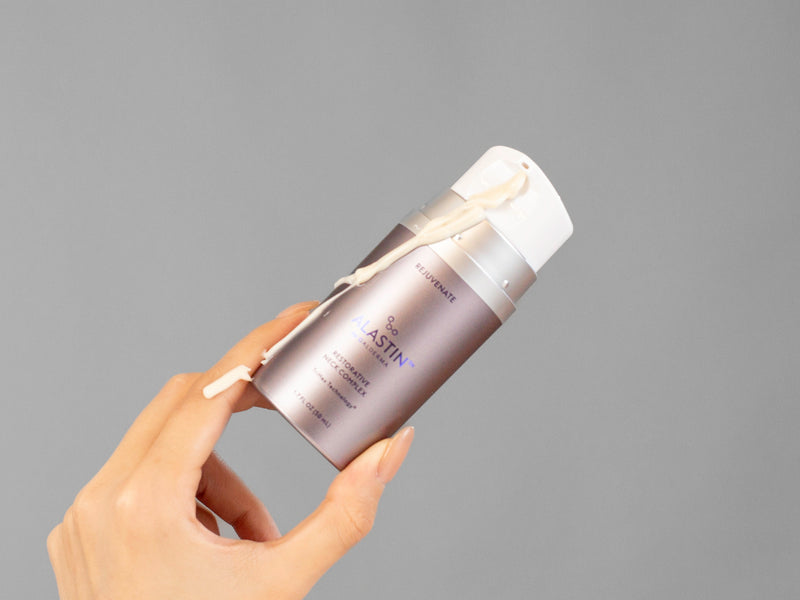
Targets sagging and crepiness with TriHex peptides and antioxidants to firm the neck and décolleté.

Strengthens elasticity, smooths wrinkles, and improves dull, thinning skin.

For dry, sensitive, and mature skin that needs deep nourishment, barrier repair, and anti-aging.

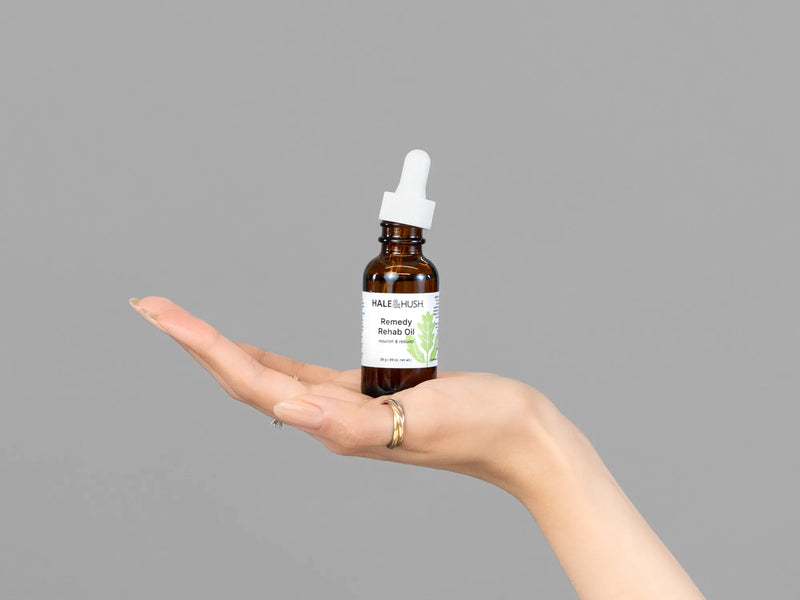
Multi-corrective facial oil that restores balance, calms inflammation, and boosts natural radiance.

Calms redness, irritation, and reactive skin while supporting long-term barrier health.

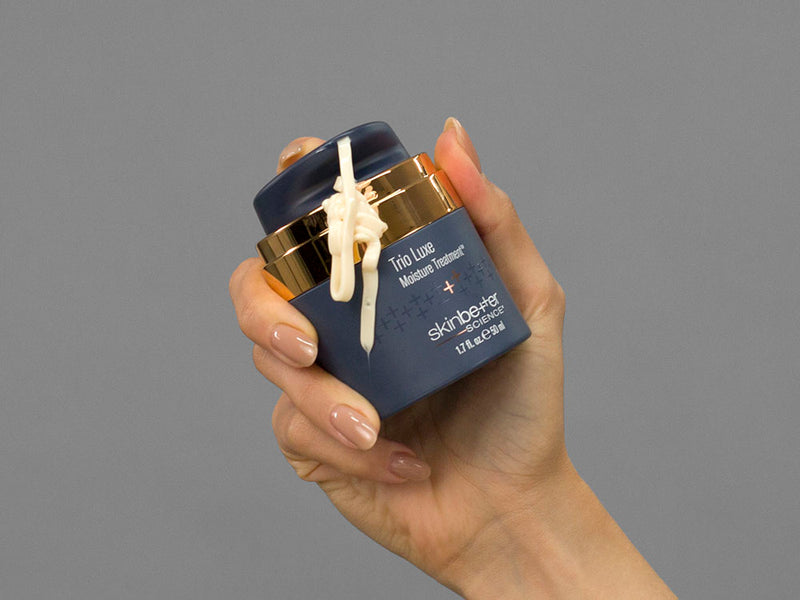
Rich, barrier-supportive cream for severely dry or dehydrated skin.

Lightweight hydrator that restores balance and radiance to dry, aging skin.

Supports repair, improves elasticity, strengthens skin resilience.

Barrier-supportive moisturizer for dryness, sensitivity, dehydration, and weakened skin.

Vitamin-rich body oil that improves dryness, rough texture, and skin softness.

A nourishing moisturizer that restores hydration and strengthens dry, depleted skin.

A longevity moisturizer that hydrates, protects, and supports aging skin.

Anti-aging lip formula that softens dryness, fine lines, and lip thinning.

Blackheads and Whiteheads: What Clogs a Pore and How to Clear It
Blackheads and whiteheads are clogged pores that have not turned red or sore. Here is what forms the plug, why many nose blackheads are something else, and how to clear them.
Read moreabout Blackheads and Whiteheads: What Clogs a Pore and How to Clear It

Dark Circles: What Causes Them and What Skincare Can Change
Dark circles come from extra pigment, blood vessels showing through thin skin, or shadow from a hollow under the eye. Here is how to tell which you have and what skincare can change.
Read moreabout Dark Circles: What Causes Them and What Skincare Can Change

Glycation: How Sugar Stiffens Skin and What Can Slow It
Glycation is sugar bonding to the collagen in your skin, leaving it stiffer and more yellow over the years. Here is how it happens, what speeds it up and what can slow it down.
Read moreabout Glycation: How Sugar Stiffens Skin and What Can Slow It