When your skin turns red and stings at the smallest change, it becomes hard to use the products that would help it. Bisabolol, a compound first found in chamomile, quiets the inflammation behind that redness, stinging and itch, which gives reactive skin a calmer starting point for the rest of your routine.

The short answer

Bisabolol is an anti-inflammatory ingredient, gentle enough for skin that reacts to almost everything, and it works well alongside the ingredients that hydrate your skin and repair your barrier. Expect skin that looks less red and feels calmer, building over several weeks of daily use.

Skin cross-section where teal bisabolol droplets enter the surface and coral inflammation messengers fade beside a calmer blood vessel.
Bisabolol lowers the messengers your cells release when irritated, and those messengers are what turn skin red, hot and itchy.

What it does

Bisabolol is an anti-inflammatory ingredient, gentle enough for skin that reacts to almost everything, and it works well alongside the ingredients that hydrate your skin and repair your barrier. Expect skin that looks less red and feels calmer, building over several weeks of daily use.

Why skin turns red and stings

Inflammation is one of the root causes of aging skin, and it is why breakouts come up red and sore. Inflammation is also what can make rosacea look flushed. It is your skin's defense system, and it is meant to switch off once a threat has passed.

When an irritant reaches the living layers of your skin, your cells release chemical messengers. Those messengers widen the small blood vessels near the surface, which is the redness and warmth. They make nerve endings more sensitive, which is the stinging. They also prompt immune cells called mast cells to release histamine, which is the itch.

A thin layer of oils and fats on your skin's surface helps stop water from evaporating and keeps irritants out. When that layer is weakened, irritants get through more easily and the defense system switches on far more often than it needs to. That is reactive skin: skin that responds to wind, heat or a new cleanser as though each one were a threat.

How bisabolol works

Because bisabolol is oil-soluble, it travels easily through those surface oils and fats into the upper layers, where the inflammation messengers are released.

Once there, bisabolol lowers the amount of those messengers your cells release. In laboratory and animal research it reduced two of the main ones, called TNF-alpha and IL-6, and reduced swelling in inflamed skin. Separate research found it calmed mast cells, which then released less histamine.

For you, that means less redness, heat, stinging and itch. It also means your skin is more likely to tolerate the rest of your routine, because skin that is not already inflamed has more room before it reacts.

Where bisabolol comes from

Bisabolol was first identified in the essential oil of German chamomile flowers. It is also found in the candeia tree, which grows in Brazil and has supplied most of the plant-sourced bisabolol on the market.

It can also be made in a lab. The lab-made version is a mix of several mirror-image forms of the molecule, while the plants supply mostly one form, called (-)-alpha-bisabolol or levomenol, which most research has used. Either way, what goes into a product is a purified single compound rather than the whole flower.

Two skin cross-sections: a broken surface letting irritants reach red, widened vessels, beside an intact surface with calm vessels.
When the surface layer is weakened, irritants get through and the defense system switches on far more often than it needs to.

What the research shows

Most of the evidence comes from the lab. In mice with inflamed skin, bisabolol applied topically reduced swelling and inflammation messengers. A second mouse study found less severe, less thickened skin in an eczema-like model. Neither study included people.

Studies in people with eczema have tested creams containing bisabolol, and several reported less itch and inflammation. Those creams contained other active ingredients too, which means the results belong to each whole formula rather than to bisabolol alone. The same is true of one manufacturer-funded melasma study, where bisabolol was combined with niacinamide, arbutin and a retinoid.

The safety evidence is the most settled part. An expert panel review of bisabolol in cosmetics, at up to about one percent, found no evidence in testing that it caused allergy or sun sensitivity, and concluded it is safe as used. The same review notes that bisabolol can help some other ingredients in a formula pass into the skin, which formulators account for when they build a product.

What to look for on a label

The names it goes by

On an ingredient list it appears as bisabolol, alpha-bisabolol or levomenol. There are not enough direct comparisons on skin to say whether plant-sourced or lab-made bisabolol makes a visible difference.

Chamomile extract is not the same thing. It contains the whole range of compounds from the flower, and bisabolol is only one of them, which matters if you have a plant allergy.

Where it sits in your routine

Bisabolol is usually one ingredient inside a serum or a moisturizer. A serum goes on after cleansing and before your moisturizer. If yours is in a moisturizer, that is your moisturizer step.

What works best with bisabolol

Bisabolol does not exfoliate or change the pH of your skin, which is why it works alongside everything else in your routine. It pairs naturally with ingredients that do a different job. Panthenol and hyaluronic acid draw water in, and ceramides, cholesterol and fatty acids replenish the fats that hold your barrier together.

Sunscreen every morning, reapplied through the day. Sun is one of the most common triggers of redness, and bisabolol does not block UV.

Common questions

I am allergic to chamomile or ragweed. Can I use bisabolol?

Only after a patch test. Chamomile belongs to the daisy family, also called Asteraceae or Compositae, along with ragweed, arnica and calendula, and people allergic to one plant in that family can react to others.

Allergy to bisabolol itself is uncommon, and in safety testing it did not cause allergic reactions. One small study did find four children with eczema, out of seven referred because a moisturizer bothered their skin, who reacted to bisabolol. The patch test is set out in the How to use it section below.

Can I use it with retinoids and acids?

Yes. Bisabolol does not interfere with retinoids or exfoliating acids such as glycolic acid, and it is helpful to have on the nights you use them, since those are the nights your skin is most likely to turn red.

How soon will I see something?

Many people find their skin feels more comfortable within the first one to two weeks of daily use. Redness that has built up over months takes longer, often six to eight weeks.

Photograph your skin in the same spot, in natural daylight, every four weeks, because gradual change is easy to miss in the mirror.

Is it safe in pregnancy?

There is no research on topical bisabolol in pregnancy, which is true of almost every skincare ingredient, since they are not tested on pregnant people. Check with your OB or midwife before starting anything new.

A chamomile flower, a candeia tree and a lab flask, each with an arrow pointing to one small vial.
Bisabolol comes from chamomile, the candeia tree or a lab, and what goes into a product is a purified single compound.

How to use it

  • Use it once or twice a day. There is nothing to build your tolerance up to with bisabolol.
  • Use it every day rather than only on difficult days. Keeping inflammation low consistently is what lets reactive skin settle.
  • If you are allergic to a daisy-family plant, patch test first. Apply a small amount to the same spot on your inner arm twice a day for about a week, and only use it on your face if that spot stays clear.
  • When your skin is reactive, introduce one new product at a time, about two weeks apart, which tells you which product caused a reaction if one happens.
  • Broad spectrum SPF 30 or higher every morning, reapplied through the day.
Evidence and sources
  • Kamatou GPP, Viljoen AM. A review of the application and pharmacological properties of Ξ±-bisabolol and Ξ±-bisabolol-rich oils. Journal of the American Oil Chemists' Society, 2010;87(1):1-7. Review of sources, uses, anti-inflammatory activity and safety. Read the review
  • Eddin LB, Jha NK, Goyal SN, Agrawal YO, Subramanya SB, Bastaki SMA, Ojha S. Health benefits, pharmacological effects, molecular mechanisms, and therapeutic potential of Ξ±-bisabolol. Nutrients, 2022;14(7):1370. Summarizes the human studies of bisabolol-containing creams in eczema. Read the review
  • Maurya AK, Singh M, Dubey V, Srivastava S, Luqman S, Bawankule DU. Ξ±-(-)-bisabolol reduces pro-inflammatory cytokine production and ameliorates skin inflammation. Current Pharmaceutical Biotechnology, 2014;15(2):173-181. Cell and mouse study (TNF-alpha, IL-6, swelling). Read the study
  • Li G, Wu H, Sun L, Cheng K, Lv Z, Chen K, Qian F, Li Y. (-)-Ξ±-Bisabolol alleviates atopic dermatitis by inhibiting MAPK and NF-ΞΊB signaling in mast cell. Molecules, 2022;27(13):3985. Mouse and mast cell study; no human data. Read the study
  • Cosmetic Ingredient Review Expert Panel (Andersen FA, ed.). Final report on the safety assessment of bisabolol. International Journal of Toxicology, 1999;18(3 suppl):33-40. Safe as used up to 1 percent; no sensitization or photosensitization found; may increase penetration of other ingredients. Read the review
  • Jacob SE, Matiz C, Herro EM. Compositae-associated allergic contact dermatitis from bisabolol. Dermatitis, 2011;22(2):102-105. Retrospective chart review of children with eczema and moisturizer intolerance. Read the study
  • Crocco EI, Veasey JV, Boin MFFC, Lellis RF, Alves RO. A novel cream formulation containing nicotinamide 4%, arbutin 3%, bisabolol 1%, and retinaldehyde 0.05% for treatment of epidermal melasma. Cutis, 2015;96(5):337-342. Single-arm, open-label, manufacturer-funded. Read the study
  • Alves Gomes Albertti L, Delatte TL, Souza de Farias K, et al. Identification of the bisabolol synthase in the endangered candeia tree (Eremanthus erythropappus (DC) McLeisch). Frontiers in Plant Science, 2018;9:1340. Candeia as the main source of plant-derived (-)-alpha-bisabolol; lab synthesis yields a mix of forms. Read the study

A note on the evidence. The calming activity of bisabolol is well documented in cell and animal research, and its safety in cosmetics has been reviewed by an expert panel. The studies in people tested formulas combining bisabolol with other ingredients, and several were small, open-label or manufacturer-funded, which means they show what those formulas did rather than what bisabolol does alone. The report of allergy in children comes from a small chart review.

Products with Bisabolol

  • Face Reality

    $38.00

  • Face Reality

    Advanced Acne Med

    4.9 out of 5.0 stars

    From $29.00

  • SkinBetter Science

    AlphaRet Body Overnight Cream

    5.0 out of 5.0 stars

    From $40.00

  • SkinBetter Science

    AlphaRet Clearing Serum

    4.8 out of 5.0 stars

    From $145.00

  • SkinBetter Science

    AlphaRet Overnight Cream

    5.0 out of 5.0 stars

    From $76.00

  • SkinBetter Science

    Alto Advanced Defense and Repair Serum

    4.9 out of 5.0 stars

    From $100.00

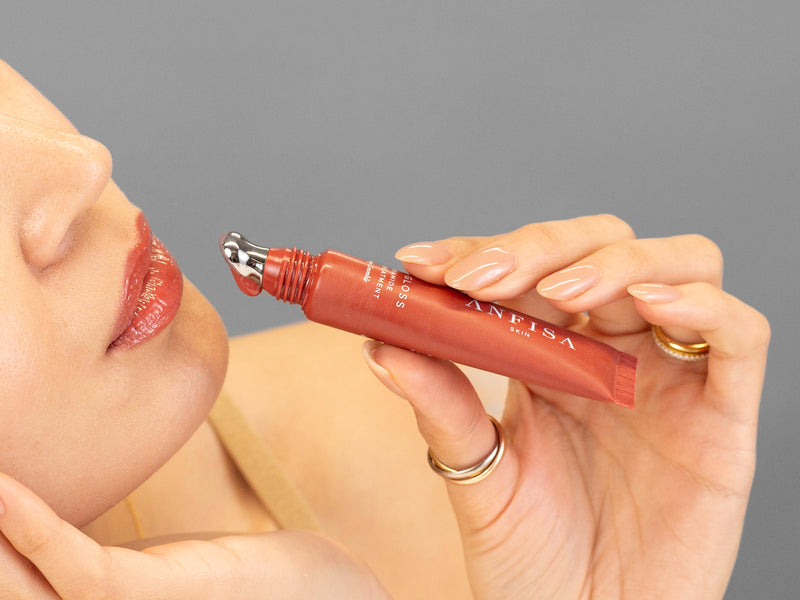
  • Anfisa

    Γ‚N-GLOSS

    4.9 out of 5.0 stars

    $45.00

  • Face Reality

    Antioxidant Peptide Eye Gel

    4.5 out of 5.0 stars

    $48.00

  • Face Reality

    Barrier Balance Creamy Cleanser

    4.9 out of 5.0 stars

    $37.00

  • Face Reality

    Barrier Care Gel Cream

    4.8 out of 5.0 stars

    $38.00

  • Pavise

    Bioadaptive Stress Repair

    4.6 out of 5.0 stars

    From $50.00

  • Face Reality

    Brilliant Defense SPF 50

    5.0 out of 5.0 stars

    $42.00

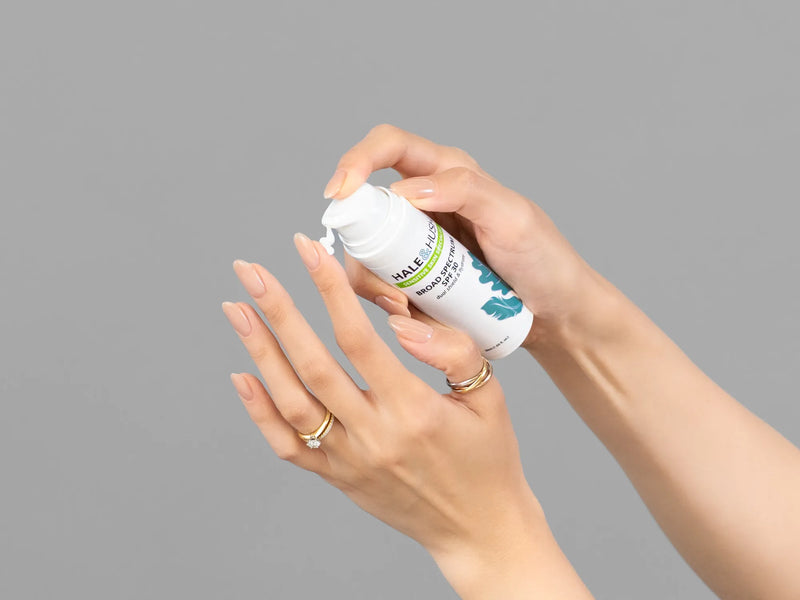
  • Hale & Hush

    $34.00

  • Alastin

    C-Radical Defense Antioxidant Serum

    4.8 out of 5.0 stars

    $218.00

  • Marini SkinSolutions

    CelluliTx

    5.0 out of 5.0 stars

    $140.00

  • Lumisque

    CO2Lift Carboxy Mousse Moisturizer

    4.8 out of 5.0 stars

    Sale price $225.00 Regular price $249.00

  • Face Reality

    Daily SPF 30 Plus

    4.9 out of 5.0 stars

    $36.00

  • Pavise

    Dynamic Age Defense SPF 30

    4.7 out of 5.0 stars

    From $52.00

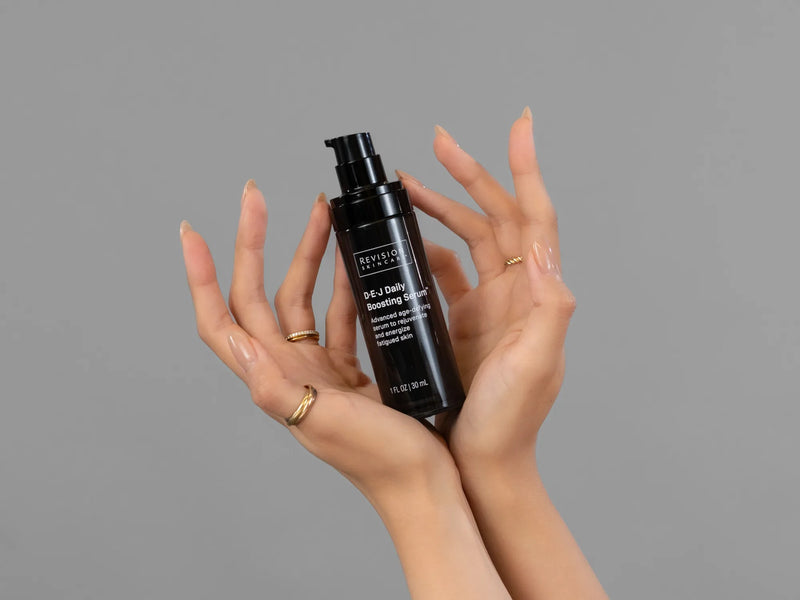
  • Revision

    From $140.00

  • Hydrinity

    Encore Body Hydrator

    5.0 out of 5.0 stars

    From $20.00

  • SkinBetter Science

    Even Tone Correcting Serum

    4.8 out of 5.0 stars

    $170.00

  • Hydrinity

    Eye Renew Complex

    4.7 out of 5.0 stars

    From $20.00

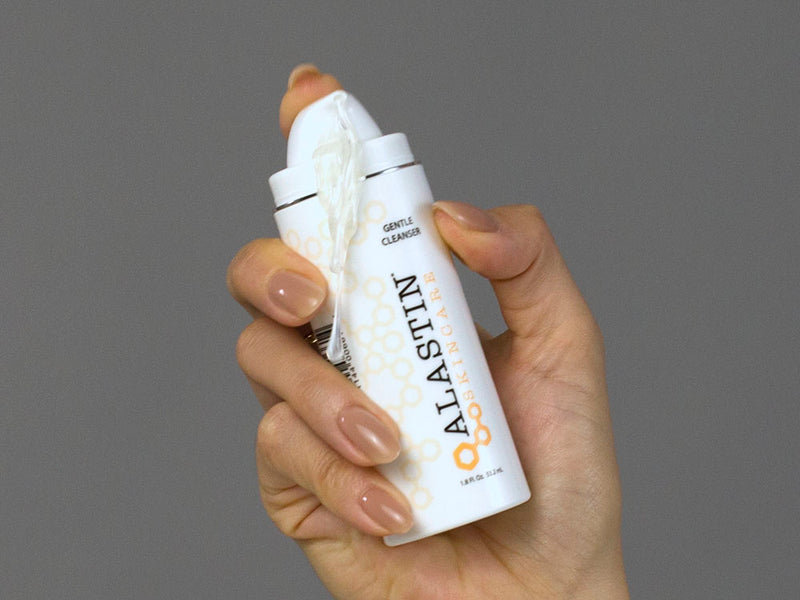
  • Alastin

    Gentle Cleanser

    5.0 out of 5.0 stars

    From $20.00

  • Face Reality

    GlowTone Corrective Serum

    4.8 out of 5.0 stars

    $64.00

More Ingredient Guides

View all

German chamomile flowers beside a slate blue dish holding drops of clear, pale golden oil on a warm stone surface.

Bisabolol for Calming Redness and Irritation

Bisabolol is the calming compound first found in chamomile, and it quiets the inflammation behind redness, stinging and itch. Here is how it works, who it suits and how to use it.

Read moreabout Bisabolol for Calming Redness and Irritation

Fresh comfrey leaves and purple flowers beside a slate blue dish of fine white allantoin powder on a warm stone surface.

Allantoin for Rough, Dry and Irritated Skin

Allantoin softens rough, flaky skin and soothes irritation, and the US FDA recognizes it as a skin protectant. Here is how it works, what the research shows and how to use it.

Read moreabout Allantoin for Rough, Dry and Irritated Skin

Fresh centella sprigs with small round scalloped leaves on a warm stone surface beside a slate blue ceramic dish, against a soft blush backdrop.

Centella for Redness and Reactive Skin

Centella calms inflammation, helps skin hold on to water and supports repair after irritation. Here is what the research shows, what cica means on a label and how to use it.

Read moreabout Centella for Redness and Reactive Skin