Rough, flaky skin is more than a texture problem. When the surface is dry and cracked, water escapes more easily, irritants get in more easily, and products you have used for years can start to sting. Allantoin helps that surface shed evenly and settle, and it is gentle enough for skin that is already uncomfortable.

The short answer

Allantoin is a gentle conditioning ingredient. It softens rough, dry skin, soothes irritation and protects chapped or cracked skin while it recovers. Skin feels softer within days, and rough patches look smoother over a few weeks of daily use. It suits every skin type and works alongside almost everything in your routine.

Diagram of stacked surface skin cells with teal allantoin dots between them and the top cells loosening and lifting away.
Allantoin loosens the connections between dead surface cells, which helps them shed evenly and leaves skin feeling softer.

What it does

Allantoin is a gentle conditioning ingredient. It softens rough, dry skin, soothes irritation and protects chapped or cracked skin while it recovers. Skin feels softer within days, and rough patches look smoother over a few weeks of daily use. It suits every skin type and works alongside almost everything in your routine.

Why skin turns rough and flaky

The top layer of your skin is made of flattened cells stacked like bricks, held together by tiny protein connections, with fats filling the gaps. These cells are not dead and irrelevant. They signal to the deeper layers to regulate hydration and cell renewal, which is why a healthy surface is what everything underneath depends on.

Your skin sheds its oldest surface cells constantly, too few at a time to see. Natural enzymes do that work by breaking the protein connections, and those enzymes need water. When skin is short on water, the connections stay intact, the dead cells stick together, and they lift off in visible flakes. That is the roughness you feel on a dry patch.

A thin layer of oils and fats on the surface helps stop water from evaporating. Cold air, hot water, harsh cleansers and strong actives can all wear that layer down, which is why roughness, tightness and stinging often arrive together.

How allantoin works

It softens rough skin

Research on allantoin describes it loosening the connections between dead cells at the surface. Those cells then shed more evenly instead of lifting off in flakes, and skin feels softer and looks smoother.

The effect is mild and stays at the surface. Exfoliating acids travel below the surface, which is how they reach fine lines and congestion. Allantoin suits skin that is dry or easily irritated. Both are good at what they do, and they suit different situations.

It soothes and protects

The US Food and Drug Administration recognizes allantoin as a skin protectant, an ingredient that helps shield exposed or irritated skin while it recovers. Its official uses include chapped or cracked skin and lips, and minor cuts, scrapes and burns. A calmer surface that sheds evenly holds on to water better and stings less, which makes the rest of your routine easier on your skin.

Where allantoin comes from

Allantoin occurs naturally in comfrey and a number of other plants, and it is a byproduct of how many living things break down uric acid.

What goes into skincare is almost always made in a lab from urea and glyoxylic acid. It is the same molecule as the one in comfrey, made pure and in a consistent amount, without the other compounds the plant carries.

Two panels: dry skin cells peeling up in a clump of flakes, and hydrated cells with water droplets shedding one at a time.
The enzymes that shed old surface cells need water. Without it, dead cells stick together and lift off as visible flakes.

What the research shows

Allantoin has a long safety record, and less clinical research of its own than you might expect from such a common ingredient.

The US FDA allows it in over-the-counter skin protectants at half a percent to two percent. An independent expert panel that reviews cosmetic ingredients concluded in 2010 that it is safe at the concentrations used in cosmetics, which at the time meant up to two percent, in nearly 1,400 products.

The healing research is mostly in animals. In rats, wounds given a five percent allantoin cream showed calmer, more organized healing tissue under the microscope, although wound size did not differ clearly between the groups.

The largest human trial followed 169 people with epidermolysis bullosa, a rare genetic condition that causes fragile skin and slow-healing wounds. Wounds closed at a similar rate with a six percent allantoin cream and with the same cream without allantoin, which itself did better than the researchers expected. That condition is severe and very specific, and the trial tells us little about everyday dryness.

Much of the other human research uses creams that combine allantoin with several ingredients, which makes it hard to say how much of the result came from allantoin itself.

What to look for on a label

Half a percent to two percent

Products that make an official skin protectant claim use half a percent to two percent, and cosmetics use a similar range. At these amounts allantoin often sits low in an ingredient list, because ingredients at one percent or less can be listed in any order. That position does not mean there is too little to work, and a Drug Facts panel will show the exact percentage.

Where it sits in your routine

Allantoin is most often in moisturizers, balms, body lotions and lip products, and that product is your moisturizer or lip step. If yours is a serum, apply it after cleansing and before your moisturizer.

What works best with allantoin

Allantoin pairs naturally with hyaluronic acid, which draws water into the skin, and the enzymes that shed your surface cells need that water. Ceramides, cholesterol and fatty acids, the three main fats that hold the barrier together, keep the water in. Panthenol soothes alongside allantoin, and the two are often formulated together.

On the nights you use a retinoid or an exfoliating acid, allantoin adds very little to the exfoliation they already do, because its effect is mild and stays at the surface, and its soothing helps with the dryness they can bring.

Sunscreen every morning, reapplied through the day, protects the surface you are working to soften.

Common questions

Is allantoin the same as comfrey?

No. Comfrey is one of the plants allantoin is found in. A product listing comfrey extract contains the whole plant extract, with many compounds besides allantoin.

Can I use it on broken or irritated skin?

Yes, in most cases. Minor cuts, scrapes and chapped or cracked skin are among its official uses as a skin protectant, and it is allowed in over-the-counter diaper rash products. Whether a particular product suits broken skin depends on the formula, since some contain fragrance or actives that sting. Follow the directions on your product.

How soon will I see something?

Skin usually feels softer and more comfortable within the first few days. Rough, flaky patches take two to four weeks of daily use, because the stuck cells have to shed and the surface has to settle. Photograph your skin on day one in natural daylight, then in the same spot every four weeks, since gradual change is easy to miss in the mirror.

Is it safe in pregnancy?

Allantoin has not been studied in pregnancy, which is true of most skincare ingredients, since they are almost never tested on pregnant people. It is gentle and has a long safety record. Check with your OB or midwife before starting anything new.

Sequence showing a comfrey plant, an arrow to a lab flask, and an arrow to a small pile of white allantoin crystals.
Allantoin occurs in comfrey, and what goes into skincare is made in a lab as the identical molecule, pure and consistent.

How to use it

  • Use it once or twice a day. There is nothing to build your tolerance up to with allantoin, which means daily use from the start is fine.
  • Moisturizers and balms go on as your moisturizer step. A serum goes on after cleansing and before your moisturizer.
  • Use it on rough areas beyond your face, such as elbows, hands, heels and lips.
  • On retinoid or exfoliating acid nights, apply that product first onto clean, dry skin, then your allantoin product.
  • Broad spectrum SPF 30 or higher every morning, reapplied through the day.
Evidence and sources
  • US Food and Drug Administration. Final Administrative Order OTC000005: Over-the-Counter Monograph M016, Skin Protectant Drug Products for Over-the-Counter Human Use. 2021. Lists allantoin at 0.5 to 2 percent and its labeled uses. Read the document
  • Becker LC, Bergfeld WF, Belsito DV, Klaassen CD, Marks JG, Shank RC, Slaga TJ, Snyder PW, Andersen FA. Final report of the safety assessment of allantoin and its related complexes. International Journal of Toxicology, 2010;29(3 Suppl):84S-97S. The Cosmetic Ingredient Review safety assessment. Read the study
  • AraΓΊjo LU, Grabe-GuimarΓ£es A, Mosqueira VCF, Carneiro CM, Silva-Barcellos NM. Profile of wound healing process induced by allantoin. Acta CirΓΊrgica Brasileira, 2010;25(5). The rat wound study described here. Read the study
  • Paller AS, Browning J, Nikolic M, Bodemer C, Murrell DF, Lenon W, Krusinska E, Reha A, Lagast H, Barth JA; ESSENCE Study Group. Efficacy and tolerability of the investigational topical cream SD-101 (6% allantoin) in patients with epidermolysis bullosa: a phase 3, randomized, double-blind, vehicle-controlled trial (ESSENCE study). Orphanet Journal of Rare Diseases, 2020. The 169-person trial described here. Read the study
  • Murrell DF, Paller AS, Bodemer C, et al. Wound closure in epidermolysis bullosa: data from the vehicle arm of the phase 3 ESSENCE Study. Orphanet Journal of Rare Diseases, 2020;15:190. On why the plain cream performed better than expected. Read the study
  • SzymaΕ„ska E. Allantoin: healing and anti-inflammatory properties. Pediatria i Medycyna Rodzinna, 2012;8(1):73-77. A short review describing allantoin's softening effect on the connections between surface cells. Read the review
  • Bakibaev AA, Il'yasov SG, Tatarenko OV, et al. Allantoin: synthesis and chemical properties. Bulletin of the Karaganda University, Chemistry Series, 2020;1(97):7-21. Covers industrial production from urea and glyoxylic acid, and allantoin's place in uric acid breakdown. Read the review
  • Staiger C. Comfrey root: from tradition to modern clinical trials. Wiener Medizinische Wochenschrift, 2013;163:58-64. On allantoin as one of comfrey's main active compounds. Read the review
  • Rawlings AV, Harding CR. Moisturization and skin barrier function. Dermatologic Therapy, 2004;17(Suppl 1):43-48. On how hydration governs the shedding of surface cells, and why dry skin flakes. Read the review

A note on the evidence. The safety of allantoin and its status as a skin protectant are well established through the FDA monograph and the 2010 expert safety assessment. The evidence on how it works is thinner: the softening effect is described in reviews rather than measured in large trials, the healing effects come mainly from animal research, and much of the human research uses combination products. The timelines here reflect what we expect with daily use rather than trial results.

Products with Allantoin

  • Face Reality

    $38.00

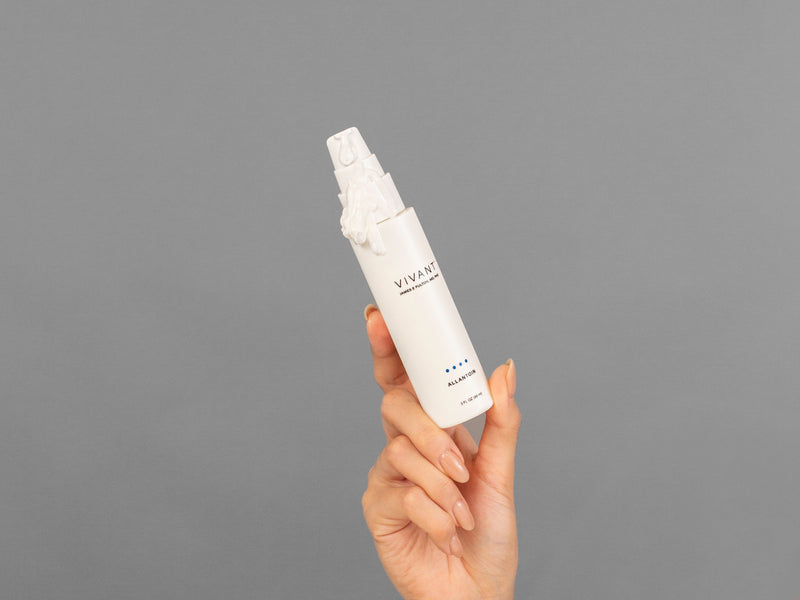
  • Vivant

    Allantoin

    5.0 out of 5.0 stars

    $44.00

  • SkinBetter Science

    AlphaRet Body Overnight Cream

    5.0 out of 5.0 stars

    From $40.00

  • SkinBetter Science

    AlphaRet Overnight Cream

    5.0 out of 5.0 stars

    From $76.00

  • Face Reality

    Barrier Balance Creamy Cleanser

    4.9 out of 5.0 stars

    $37.00

  • Face Reality

    Barrier Care Gel Cream

    4.8 out of 5.0 stars

    $38.00

  • Pavise

    Bioadaptive Stress Repair

    4.6 out of 5.0 stars

    From $50.00

  • Face Reality

    Brilliant Defense SPF 50

    5.0 out of 5.0 stars

    $42.00

  • Environ

    From $138.00

  • Face Reality

    Calming Facial Toner

    4.8 out of 5.0 stars

    $32.00

  • Face Reality

    Clearderma Moisturizer

    4.8 out of 5.0 stars

    $33.00

  • Lumisque

    CO2Lift Carboxy Mousse Moisturizer

    4.8 out of 5.0 stars

    Sale price $225.00 Regular price $249.00

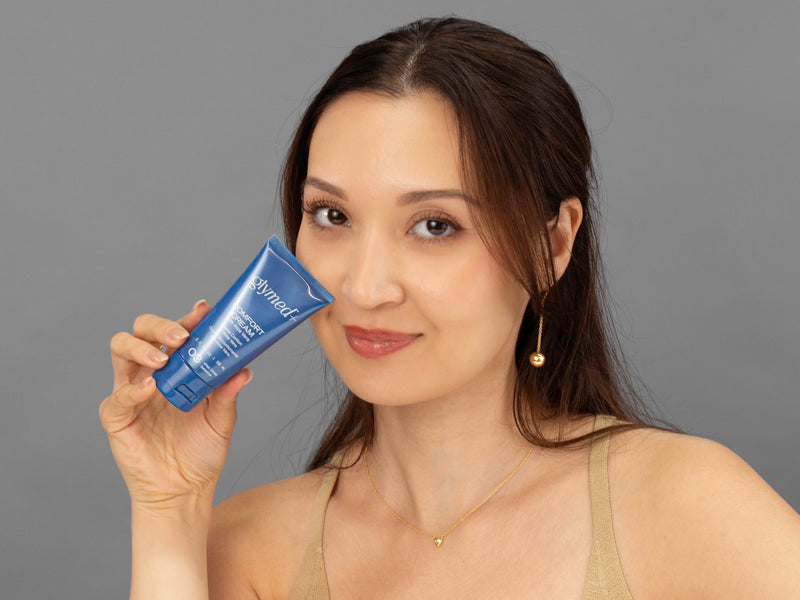
  • GlyMed

    Comfort Cream

    4.9 out of 5.0 stars

    $45.00

  • Face Reality

    Daily SPF 30 Plus

    4.9 out of 5.0 stars

    $36.00

  • Environ

    $126.00

  • SkinBetter Science

    Detoxifying Scrub Mask

    4.8 out of 5.0 stars

    $65.00

  • Face Reality

    GlowTone Corrective Serum

    4.8 out of 5.0 stars

    $64.00

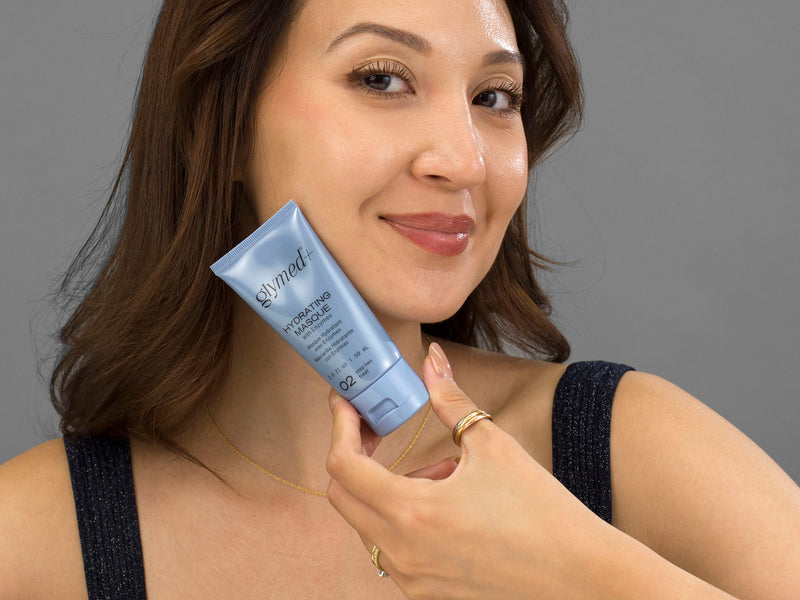
  • GlyMed

    Hydrating Masque

    5.0 out of 5.0 stars

    $54.00

  • SkinBetter Science

    Intensive AlphaRet Overnight Cream

    4.9 out of 5.0 stars

    From $145.00

  • KrX Aesthetics

    Jelly Mist Spray on Gel Mask

    5.0 out of 5.0 stars

    $45.00

  • Marini SkinSolutions

    $103.00

  • Face Reality

    Mineral Matte SPF 28

    4.8 out of 5.0 stars

    $36.00

  • Face Reality

    PowerMineral SPF 50

    4.9 out of 5.0 stars

    $42.00

  • Calecim

    Professional Pigment Solution

    5.0 out of 5.0 stars

    $148.00

More Ingredient Guides

View all

German chamomile flowers beside a slate blue dish holding drops of clear, pale golden oil on a warm stone surface.

Bisabolol for Calming Redness and Irritation

Bisabolol is the calming compound first found in chamomile, and it quiets the inflammation behind redness, stinging and itch. Here is how it works, who it suits and how to use it.

Read moreabout Bisabolol for Calming Redness and Irritation

Fresh comfrey leaves and purple flowers beside a slate blue dish of fine white allantoin powder on a warm stone surface.

Allantoin for Rough, Dry and Irritated Skin

Allantoin softens rough, flaky skin and soothes irritation, and the US FDA recognizes it as a skin protectant. Here is how it works, what the research shows and how to use it.

Read moreabout Allantoin for Rough, Dry and Irritated Skin

Fresh centella sprigs with small round scalloped leaves on a warm stone surface beside a slate blue ceramic dish, against a soft blush backdrop.

Centella for Redness and Reactive Skin

Centella calms inflammation, helps skin hold on to water and supports repair after irritation. Here is what the research shows, what cica means on a label and how to use it.

Read moreabout Centella for Redness and Reactive Skin