When your skin is red and stinging, even products you have used for years can start to burn. Centella is a plant extract that calms that inflammation and supports the repair your skin is trying to do.

The short answer

Centella calms inflammation, helps your skin hold on to water and supports the repair that follows irritation or an in-clinic treatment. Redness and stinging tend to settle first, and hydration builds over about four weeks of daily use. It is gentle enough to use twice a day from the start.

Skin cross-section with coral inflammation sparks on the left and teal centella particles settling over calm cells on the right.
Centella lowers the inflammatory signals irritated skin releases, which is what shows up on your face as redness and stinging.

What it does

Centella calms inflammation, helps your skin hold on to water and supports the repair that follows irritation or an in-clinic treatment. Redness and stinging tend to settle first, and hydration builds over about four weeks of daily use. It is gentle enough to use twice a day from the start.

Why irritated skin turns red

The top layers of your skin are not dead and irrelevant. They signal to the deeper layers to regulate collagen, hydration and cell renewal, and they form your barrier: surface cells held together by ceramides, cholesterol and fatty acids, with a thin layer of oils and fats on the surface that helps stop water from evaporating.

When the barrier is damaged, by over-exfoliating, harsh cleansing, cold wind or a strong active, water escapes and irritants get in. Your skin responds with inflammation. Blood vessels widen, which is the redness and heat you feel, and products start to sting that never stung before.

How centella works

Centella contains four active compounds: asiaticoside, madecassoside, asiatic acid and madecassic acid. Between them, they do three things.

It calms inflammation. In laboratory studies, madecassoside lowers the inflammatory signals that irritated cells release. Less of that signaling means less redness and stinging.

It supports repair. In the laboratory, asiaticoside and madecassoside prompt fibroblasts, the collagen-making cells in the deeper layer of your skin, to produce more collagen. That repair activity is why centella has a long history in wound care.

It helps your skin hold on to water. Centella creams have been measured raising hydration and slowing water loss. A well-hydrated barrier keeps irritants out more efficiently.

Where centella comes from

Centella asiatica is a small, creeping plant in the same family as carrots and parsley. It grows in tropical and subtropical regions and has a long history in traditional medicine across Asia, especially for wounds. You may know it as gotu kola or Indian pennywort.

Skincare uses either an extract of the plant or the active compounds purified from it. How much of those compounds a plant contains depends on where it was grown, as explained in What to look for on a label below.

Two panels: gapped skin cells losing water and letting irritants in, beside tight cells holding water in and keeping irritants out.
When the barrier is damaged, water escapes and irritants get in. Repairing it keeps both where they belong.

What the research shows

Most centella research comes from laboratory and animal studies. The human studies are small, and their results line up with the laboratory work.

In a four-week study of 25 adults, centella creams applied topically to the forearms twice a day raised hydration and reduced water loss, with the five percent cream doing the most. The areas using centella also reddened less when the researchers provoked redness with an irritant.

In a split-face trial of 30 people having laser resurfacing, the side given a standardized centella gel had less redness and a better wound appearance through the first week than the placebo side.

A manufacturer-funded study of 88 women with sensitive skin found less redness and stinging over four weeks with a cream combining centella, ceramides and panthenol. With no comparison group, that result cannot be credited to centella alone.

Collagen is where the claims run ahead of the evidence. Centella compounds raise collagen production in skin cells in the laboratory, and a six-month trial in 20 women found firmer skin with madecassoside combined with vitamin C, which supports collagen too. That trial cannot separate the two ingredients.

What to look for on a label

Extract or purified compounds

A centella extract contains the four compounds in whatever proportion that plant made them, and the proportion varies. Purified forms give a known amount: madecassoside or asiaticoside on their own, or TECA, a standardized blend of about 40 percent asiaticoside and 60 percent asiatic and madecassic acids.

Both forms work. Few products state a percentage, which means position in the ingredient list is your best guide: centella in the first third generally means it is there to work.

Names on a label

Centella asiatica extract, Centella asiatica leaf extract, cica, madecassoside, asiaticoside, asiatic acid, madecassic acid, TECA and the older botanical name Hydrocotyle asiatica all point to the same plant.

What works best with centella

Centella calms and supports repair rather than exfoliating or changing the acidity of your skin, which means it does not compete with other ingredients. It pairs naturally with ceramides, which rebuild the fats between your surface cells, panthenol, which draws water in and supplies material for repair, and niacinamide, which calms redness through a different route. It is especially worth adding on the nights you use a retinoid or an exfoliating acid.

Sunscreen every morning, reapplied through the day. UV is one of the most common reasons skin turns red, and centella does not block UV from reaching your skin.

Common questions

Is cica the same as centella?

Yes. Cica is a shorthand for Centella asiatica, and cica products often contain other calming ingredients alongside it.

How soon will I see something?

Redness and stinging often ease within one to two weeks, and hydration and barrier improvements build over about four weeks. Photograph your skin in natural daylight, in the same spot, every four weeks, because gradual change is hard to judge in the mirror.

Can I use it after a peel, laser or microneedling?

Yes, after a peel or a laser, following the aftercare your provider has given you. Centella has a trial behind it on freshly lasered skin.

After microneedling, wait forty-eight hours before using centella while the micro-channels close. Soothing products are fine in that window, but nothing anti-inflammatory, because that early inflammation produces the growth factors that build new collagen.

Can you be allergic to centella?

Yes, though it is rare. Contact allergy has been reported, mostly from wound creams used for weeks, and a review of those cases judged centella a very weak sensitizer. If a centella product leaves you itchy or with a spreading rash, stop using it and see a doctor.

Is it safe in pregnancy?

Most likely, yes, and your OB or midwife has the final say. Skincare ingredients are almost never tested on pregnant people, and centella is one of the few that has been, in a controlled trial of a stretch mark cream that also contained vitamin E and collagen.

Sequence showing a centella plant, an arrow to a flask of extract, then an arrow to a dish of four purified crystals.
Skincare uses either an extract of the whole plant or its active compounds purified to a known, consistent amount.

How to use it

  • Once or twice a day, morning and night. There is nothing to build your tolerance up to with centella.
  • A centella serum goes on after cleansing and before your moisturizer. A centella cream or balm is your moisturizer step.
  • If your skin reacts easily, patch test on your inner arm once a day for three to five days first.
  • On retinoid or acid nights, apply the active onto clean skin first, then centella, then your moisturizer.
  • Keep using it after the redness fades, because barrier repair continues for weeks after your skin feels better.
  • Broad spectrum SPF 30 or higher every morning, reapplied through the day.
Evidence and sources
  • Bylka W, Znajdek-AwiΕΌeΕ„ P, StudziΕ„ska-Sroka E, BrzeziΕ„ska M. Centella asiatica in cosmetology. Postepy Dermatologii i Alergologii (Advances in Dermatology and Allergology), 2013;30(1):46-49. Review covering the four triterpenes, TECA composition, the stretch mark trial in pregnancy, the madecassoside and vitamin C trial, and reported allergic reactions. Read the review
  • Ratz-Łyko A, Arct J, Pytkowska K. Moisturizing and antiinflammatory properties of cosmetic formulations containing Centella asiatica extract. Indian Journal of Pharmaceutical Sciences, 2016;78(1):27-33. The four-week forearm study of 25 adults. Read the study
  • Damkerngsuntorn W, Rerknimitr P, Panchaprateep R, et al. The effects of a standardized extract of Centella asiatica on postlaser resurfacing wound healing on the face: a split-face, double-blind, randomized, placebo-controlled trial. Journal of Alternative and Complementary Medicine, 2020;26(6):529-536. The 30-person laser trial. Read the study
  • Su Z, Zheng Y, Yi J, Lai W, Ye C. The effectiveness and safety of a skin care product with Centella asiatica leaf extract, ceramide NP, and panthenol in subjects with sensitive skin: a prospective, observational study. Journal of Cosmetic Dermatology, 2025;24(7):e70324. The sensitive-skin study of 88 women, funded by the manufacturer. Read the study
  • Haftek M, Mac-Mary S, Le Bitoux MA, Creidi P, SeitΓ© S, Rougier A, Humbert P. Clinical, biometric and structural evaluation of the long-term effects of a topical treatment with ascorbic acid and madecassoside in photoaged human skin. Experimental Dermatology, 2008. The six-month trial in 20 women combining madecassoside with vitamin C.
  • BontΓ© F, Dumas M, Chaudagne C, Meybeck A. Comparative activity of asiaticoside and madecassoside on type I and III collagen synthesis by cultured human fibroblasts. Annales Pharmaceutiques FranΓ§aises, 1995. Laboratory study of collagen production in human skin cells.
  • Park KS. Pharmacological effects of Centella asiatica on skin diseases: evidence and possible mechanisms. Evidence-Based Complementary and Alternative Medicine, 2021;2021:5462633. Review of the laboratory, animal and human evidence, including the anti-inflammatory work on madecassoside. Read the review
  • Sun B, Wu L, Wu Y, et al. Therapeutic potential of Centella asiatica and its triterpenes: a review. Frontiers in Pharmacology, 2020;11:568032. Covers the four main triterpenes, common names and anti-inflammatory mechanisms. Read the review
  • Hausen BM. Centella asiatica (Indian pennywort), an effective therapeutic but a weak sensitizer. Contact Dermatitis, 1993;29(4):175-179. Review of reported contact allergy cases.
  • Mallol J, Belda MA, Costa D, Noval A, Sola M. Prophylaxis of striae gravidarum with a topical formulation. A double blind trial. International Journal of Cosmetic Science, 1991. The stretch mark trial in pregnant women.

A note on the evidence. Laboratory and animal research explains how centella calms inflammation and supports repair. The human studies are small and short, and the sensitive-skin study was manufacturer-funded and uncontrolled. The collagen findings come from cell studies and a trial that paired madecassoside with vitamin C, which is why we describe calming and hydration as the established benefits and collagen as promising.

Products with Centella

  • Face Reality

    $38.00

  • Face Reality

    Barrier Balance Creamy Cleanser

    4.9 out of 5.0 stars

    $37.00

  • Face Reality

    Barrier Care Gel Cream

    4.8 out of 5.0 stars

    $38.00

  • Alastin

    C-Radical Defense Antioxidant Serum

    4.8 out of 5.0 stars

    $218.00

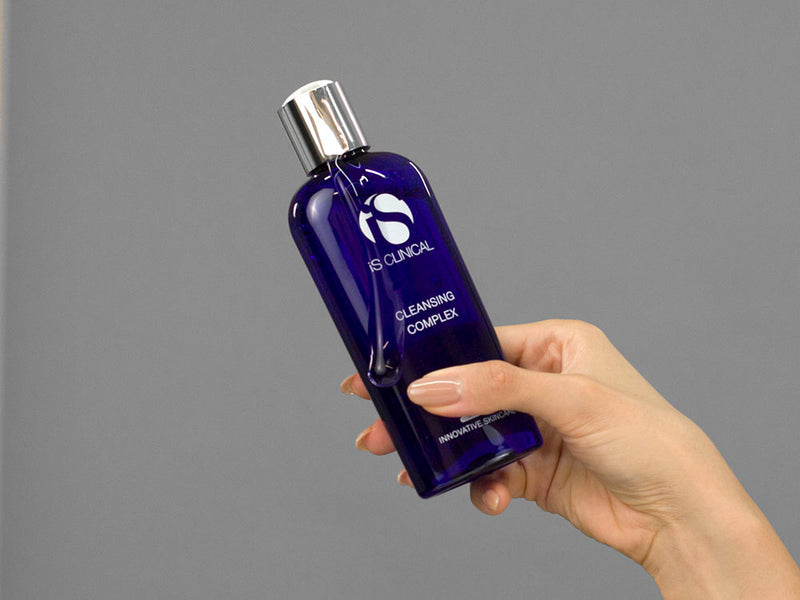
  • iS Clinical

    Cleansing Complex

    4.8 out of 5.0 stars

    From $27.00

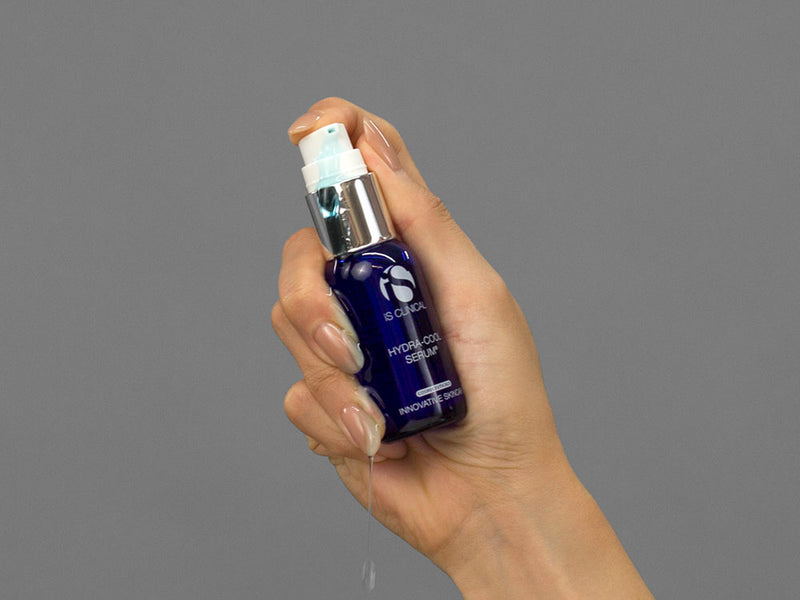
  • iS Clinical

    Hydra-Cool Serum

    5.0 out of 5.0 stars

    $108.00

  • Face Reality

    HydraRemedy Gel Serum

    4.9 out of 5.0 stars

    $46.00

  • KrX Aesthetics

    Jelly Mist Spray on Gel Mask

    5.0 out of 5.0 stars

    $45.00

  • Face Reality

    PowerMineral SPF 50

    4.9 out of 5.0 stars

    $42.00

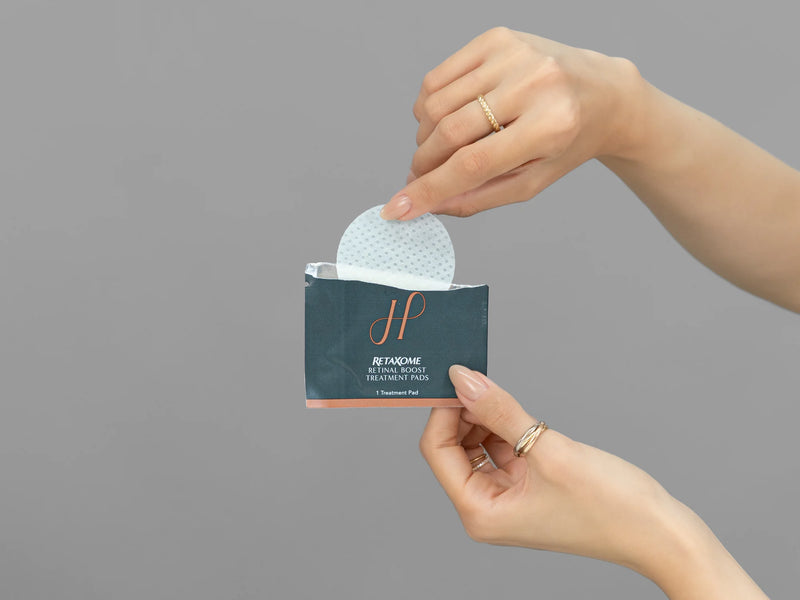
  • Hydrinity

    Retaxome Daily Retinal Hydrator

    5.0 out of 5.0 stars

    From $20.00

  • Face Reality

    Soothing Radiance Toner

    5.0 out of 5.0 stars

    $32.00

  • Alastin

    TransFORM Body Treatment

    5.0 out of 5.0 stars

    From $110.00

  • KrX Aesthetics

    $16.00

More Ingredient Guides

View all

German chamomile flowers beside a slate blue dish holding drops of clear, pale golden oil on a warm stone surface.

Bisabolol for Calming Redness and Irritation

Bisabolol is the calming compound first found in chamomile, and it quiets the inflammation behind redness, stinging and itch. Here is how it works, who it suits and how to use it.

Read moreabout Bisabolol for Calming Redness and Irritation

Fresh comfrey leaves and purple flowers beside a slate blue dish of fine white allantoin powder on a warm stone surface.

Allantoin for Rough, Dry and Irritated Skin

Allantoin softens rough, flaky skin and soothes irritation, and the US FDA recognizes it as a skin protectant. Here is how it works, what the research shows and how to use it.

Read moreabout Allantoin for Rough, Dry and Irritated Skin

Fresh centella sprigs with small round scalloped leaves on a warm stone surface beside a slate blue ceramic dish, against a soft blush backdrop.

Centella for Redness and Reactive Skin

Centella calms inflammation, helps skin hold on to water and supports repair after irritation. Here is what the research shows, what cica means on a label and how to use it.

Read moreabout Centella for Redness and Reactive Skin