9 min read

Pores cannot be closed or scrubbed away, and scrubbing, steaming and pore strips often leave the skin around them irritated rather than smoother. What can change is how full and how visible your pores are, and a steady routine does make them look smaller.

The short answer

Pores look larger when more oil passes through them, when they fill with oil and dead skin cells, or when the skin around them loses some of its firmness, and genetics sets the starting point for everyone. Salicylic acid, niacinamide and retinoids make pores look smaller, and daily sunscreen protects the skin around them.

Read time 9 min
Suits Oily, Combination, Mature

What a pore is

A pore is a small opening in your skin. Your skin has two main types of pores: sweat pores, which are too small to see, and hair follicle pores, which are the ones you notice in the mirror. Each hair follicle has an oil gland attached to it.

That gland makes your skin's natural oil, called sebum, and the pore is the opening it travels through to reach the surface. Sebum is part of your barrier, the outer layer of skin that holds water in and keeps irritants out.

Sebaceous filaments are a normal part of the pores in oily areas such as the nose. A sebaceous filament is a thin column of sebum and dead skin cells that sits inside the pore and lets oil flow out onto your skin. It looks like a small gray or tan dot. It is not a blackhead, and your skin needs it.

Why pores look larger

Oil is one of the main factors. Larger oil glands make more sebum, and pores with more sebum passing through them tend to look larger. This is why pores are largest on the nose, the center of the forehead and the cheeks beside the nose, where oil glands are most active.

Buildup inside the pore makes it more visible. Many of the pores you can see are filled with sebum and dead skin cells, and when a sebaceous filament is full, or when shed cells collect around the opening, the pore looks wider and darker.

Loss of firmness makes pores look larger with age. Collagen and elastic fibers are the proteins that keep skin firm and springy, and they surround each pore and hold its shape. Sun and time break those fibers down, the skin around the pore holds it less firmly, and the opening looks wider.

Genetics sets the starting point. Pore size varies widely between people, and between ethnic backgrounds, even when oil levels are similar.

Hormones play a part too, because they change how much oil your glands produce. Large pores are not a sign of acne, and they are not a sign that your skin is dirty.

Deep, narrow pits left by old breakouts can look like large pores, but they are a type of acne scar, and they respond to in-clinic procedures rather than skincare.

Pores do not open and close

Pores have no muscles, which means steam and warm water cannot open them, and cold water and toner cannot close them. Warmth softens the oil inside a pore and cold briefly tightens the skin around it, which changes how pores look for a few minutes and nothing more.

Diagram of three hair follicle cross-sections with visible openings: one filled with oil, one filled with a plug of shed cells, and one surrounded by loose collagen fibers.
Oil, a plug of shed cells or looser skin around the opening can each make the same pore look wider.

How to make pores look smaller

A routine cannot change the pore itself. What it can change is how full and how visible your pores are, by working on four things at the same time:

  • Keeping the inside of the pore clear, so sebum and dead skin cells do not fill it.
  • Reducing the oil on your skin, because pores with less sebum passing through them look smaller.
  • Supporting the skin around the pore, by helping it keep its collagen and protecting it from the sun.
  • Keeping your skin hydrated and comfortable, because dry, irritated skin makes pores more noticeable.

What an exfoliant does

Most of the ingredients that make pores look smaller are exfoliants. An exfoliant loosens the bonds that hold dead skin cells together, so they shed instead of building up on the surface and inside the pore. Each ingredient below has its own article in the Ingredients that help section.

Keep the inside of the pore clear

Salicylic acid is one of the top ingredients we recommend for large pores. Because it is attracted to oil, salicylic acid is uniquely capable of penetrating deep inside the pore to break apart the oil and dead skin plug from within, which makes sebaceous filaments look smaller and less dark.

Mandelic acid has a larger molecule and enters the skin more slowly, which makes it gentler and slower to clear pores than salicylic acid. It suits sensitive skin and deeper skin tones.

Reduce the oil on your skin

Niacinamide is a form of vitamin B3, and it is not an exfoliant. It reduces the amount of oil sitting on the surface of your skin, and less oil filling a pore makes it look smaller. It also supports your barrier, which helps your skin stay comfortable alongside an exfoliant.

If shine is your main concern rather than pore size, Oily Skin covers it in more depth.

Support the skin around the pore

Retinoids are the vitamin A family of skincare ingredients. They speed up cell turnover, which is how often your skin sheds old cells and replaces them, and that keeps pores clear. Over months they also support collagen around each pore, which is why they work on pores that look larger with age.

Glycolic acid is the smallest exfoliating acid, which is why it travels furthest into the skin. It smooths the surface and helps with firmness as well as how pores look.

Start one at a time

Because most of these ingredients are exfoliants, starting several at once is too much for most skin, and the irritation that follows makes pores more noticeable. Start one exfoliant or retinoid two or three nights a week, and add the next only after two weeks if your skin is doing well.

Cleanse gently and moisturize

Clearing excess oil from inside your pores is different from stripping oil from your whole face. Your skin needs some oil to work well, because it is part of the barrier that holds water in and keeps irritants out. Skin that feels tight after washing has lost those oils, which is why a gentle cleanser matters. Follow your exfoliant with a light gel or lotion moisturizer that holds water in without heavy oils.

Wear sunscreen every day

Sun breaks down the collagen that holds pores in shape, which is one of the main reasons pores look larger with age. Wear broad spectrum SPF 30 or higher every morning, and reapply it throughout the day. Mineral sunscreens with zinc oxide often have a soft, matte finish that suits oily skin.

When in-clinic procedures help

Chemical peels, microneedling and some lasers can make pores look smaller, especially where firmness is the cause, because they prompt new collagen around the pore.

Diagram of the same pore twice: full of oil with a visible opening and loose fibers, then clear with a barely visible opening and dense fibers around it.
A pore cannot be shrunk for good, but clearing what is inside and supporting the skin around it makes the opening look smaller.

Common questions

Can I shrink my pores permanently?

No. Pore size is set by your oil glands, your genetics and the skin around each pore, and no product closes a pore for good. You can change how full and visible they look, for as long as you keep your routine going.

How long until my pores look smaller?

Pores that look large from oil and buildup often look clearer within six to eight weeks. Pores that look larger with age take longer, usually three to six months, because collagen rebuilds slowly.

Around week four is where people tend to give up, because the change is gradual and hard to see in a mirror. Keep going without adding anything new. The photo routine in the How to use it section below makes the difference easier to see.

Why am I breaking out after starting an exfoliant?

That is usually purging. Exfoliants and retinoids speed up cell turnover, which brings clogged pores that were already forming up to the surface sooner, as small bumps in the areas where you usually get them. A purge can take three to six months to settle. Bumps in new areas, burning or itching are different: they mean the product does not suit your skin, and you should stop using it.

Should I squeeze my pores or use pore strips?

No, not at home. Squeezing can leave marks, push what is inside the pore deeper, and turn it into an inflamed breakout. A pore strip pulls out the top of the sebaceous filaments, which fill back up over the following days or weeks, and the pulling can irritate the skin around the pores, which makes them more noticeable.

A professional extraction removes clogged pores closest to the surface, which lets what is deeper come up sooner. Without extractions, clogged pores still clear on their own, only a little more slowly, and if you are not experienced, it is best not to touch them.

Can I work on large pores during pregnancy?

Yes, with some ingredient changes. Glycolic acid and niacinamide are considered among the safest options. Salicylic acid at around 0.5 to 1 percent is often considered acceptable, although not every doctor agrees, and the same applies while breastfeeding. Most retinoids are avoided, and some may be acceptable depending on the retinoid. Skincare ingredients are almost never tested on pregnant people, so check anything new with your OB, midwife or doctor.

How to use it

  • Cleanse twice a day with a gentle cleanser that leaves your skin comfortable rather than tight.
  • Use niacinamide every day, and start salicylic acid two or three nights a week, on clean, dry skin before your moisturizer.
  • If your skin is doing well after two weeks, add a retinoid two or three nights a week, and increase it as your skin allows.
  • Wear broad spectrum SPF 30 or higher every morning, and reapply it throughout the day.
  • Photograph your skin on day one, in the same spot and in natural daylight, and again every four weeks.
Start with the basics Skincare 101: Know Your Skin, Build Your Basics
Evidence and sources
  • Lee SJ, Seok J, Jeong SY, Park KY, Li K, Seo SJ. Facial Pores: Definition, Causes, and Treatment Options. Dermatologic Surgery, 2016. The main causes of large pores: oil, loss of elasticity around the pore and follicle size, with hormones, acne and skincare as contributing factors. Read the review
  • Uhoda E, Piérard-Franchimont C, Petit L, Piérard GE. The conundrum of skin pores in dermocosmetology. Dermatology, 2005. Why the pores you can see are the openings of hair follicles, often filled with dead skin cells, while sweat pores are too small to see. Read the review
  • Roh M, Han M, Kim D, Chung K. Sebum output as a factor contributing to the size of facial pores. British Journal of Dermatology, 2006. The link between oil output and pore size. Read the study
  • Flament F, Francois G, Qiu H, et al. Facial skin pores: a multiethnic study. Clinical, Cosmetic and Investigational Dermatology, 2015. How pore size varies with ethnic background and age, and why oil alone does not explain it. Read the study
  • Vasani R, Baddireddy K, Verma SB. Sebaceous filaments: An exaggerated manifestation of normal skin physiology. Cosmoderma, 2025. What sebaceous filaments are made of, and why they are a normal part of the pore rather than acne. Read the paper
  • Draelos ZD, Matsubara A, Smiles K. The effect of 2% niacinamide on facial sebum production. Journal of Cosmetic and Laser Therapy, 2006. Niacinamide and the amount of oil on the skin. Read the study

A note on the evidence. The causes of large pores are well described, and research on how well skincare changes them is thinner. Researchers still disagree on how much of pore size comes from oil and how much from genetics and age. The niacinamide trials were short, four to six weeks, and lowered oil more clearly in one group of participants than the other. The advice on squeezing and extractions comes from what we see in the clinic, and the rest combines that research with our clinic experience.

Last reviewed

Products for Large Pores

  • Face Reality

    $38.00

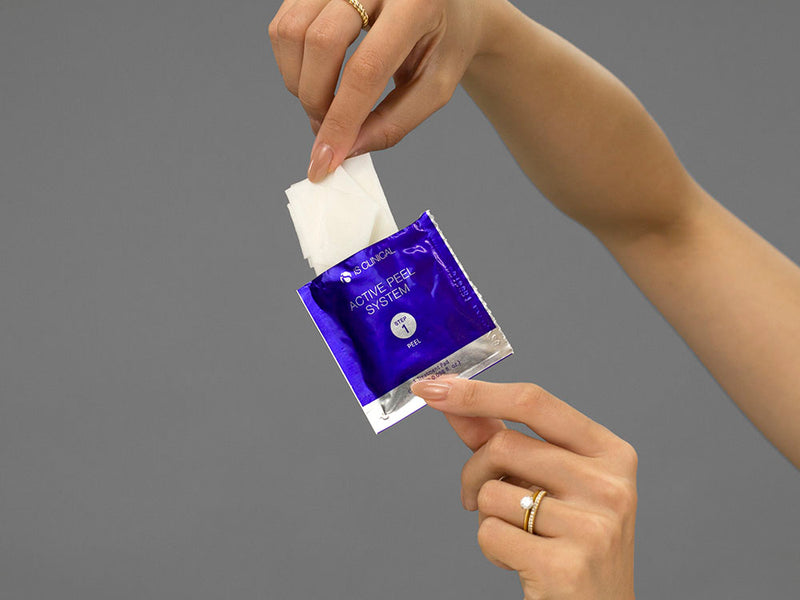
  • iS Clinical

    Active Peel System

    5.0 out of 5.0 stars

    $99.00

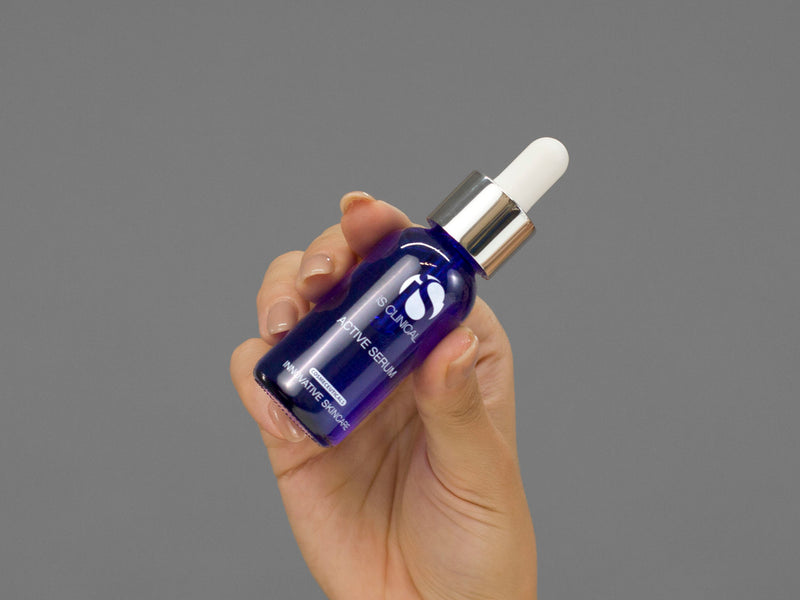
  • iS Clinical

    Active Serum

    5.0 out of 5.0 stars

    $155.00

  • SkinBetter Science

    AlphaRet Clearing Serum

    4.8 out of 5.0 stars

    From $145.00

  • SkinBetter Science

    AlphaRet Overnight Cream

    5.0 out of 5.0 stars

    From $76.00

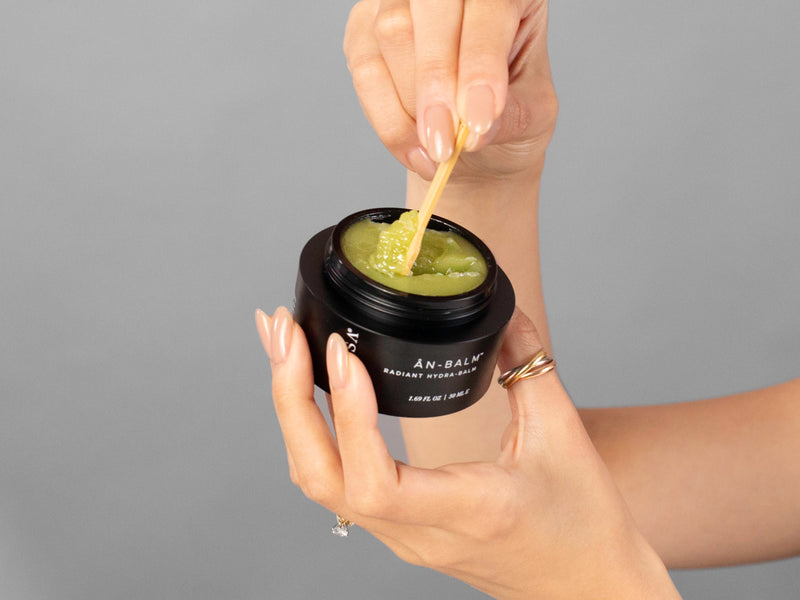
  • Anfisa

    ÂN-BALM

    4.8 out of 5.0 stars

    From $64.00

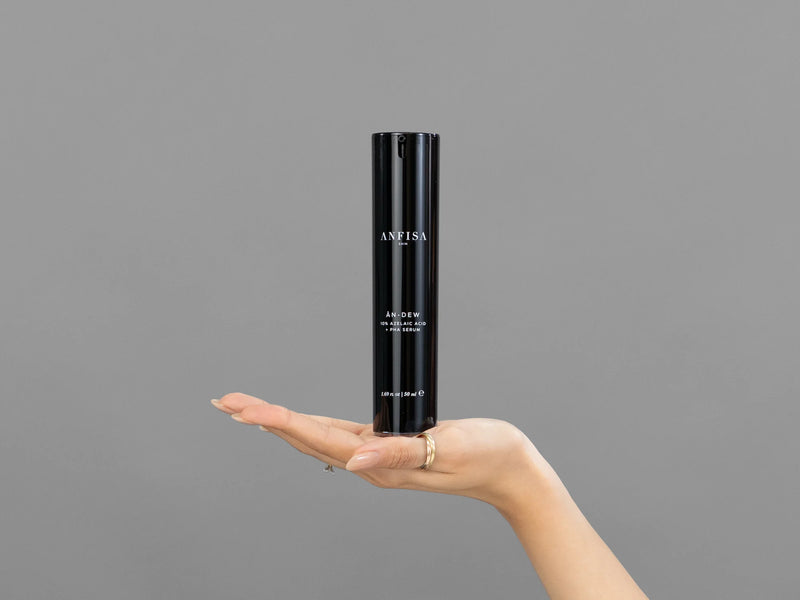
  • Anfisa

    ÂN-DEW

    4.9 out of 5.0 stars

    From $125.00

  • Environ

    $72.00

  • Environ

    From $86.00

  • Marini SkinSolutions

    $103.00

  • Revision

    Brightening Facial Wash

    5.0 out of 5.0 stars

    $47.00

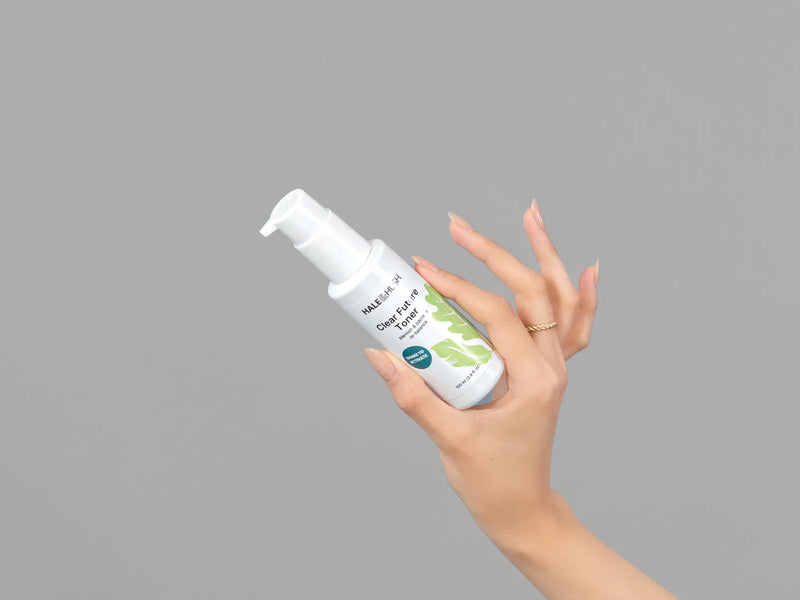
  • Hale & Hush

    From $26.00

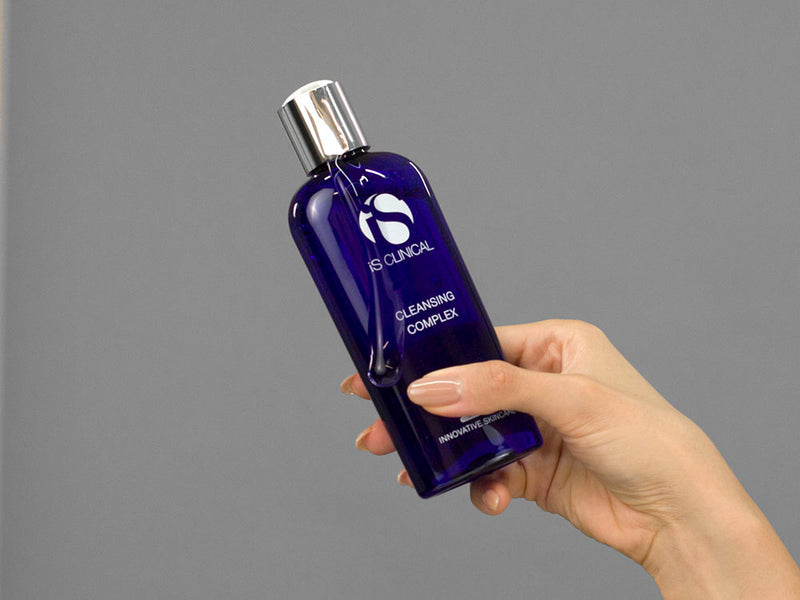
  • iS Clinical

    Cleansing Complex

    4.8 out of 5.0 stars

    From $27.00

  • Hale & Hush

    $34.00

  • Lumisque

    CO2Lift Carboxy Mousse Moisturizer

    4.8 out of 5.0 stars

    Sale price $225.00 Regular price $249.00

  • Vivant

    $86.00

  • Vivant

    $220.00

  • Vivant

    $148.00

  • Environ

    $84.00

  • Vivant

    $226.00

  • Pavise

    Gentle Amino Powerwash

    4.9 out of 5.0 stars

    From $20.00

  • Lumiellé

    Glass Skin Liquid Exfoliant

    5.0 out of 5.0 stars

    From $30.00

  • Environ

    $108.00

More Skin Concern Guides

View all

Illustration of a young woman with fair skin, with small dark blackheads across her nose and tiny pale whiteheads on her forehead.
  • by Laziza Strait

Blackheads and Whiteheads: What Clogs a Pore and How to Clear It

Blackheads and whiteheads are clogged pores that have not turned red or sore. Here is what forms the plug, why many nose blackheads are something else, and how to clear them.

Read moreabout Blackheads and Whiteheads: What Clogs a Pore and How to Clear It

Close illustration of the eyes of a South Asian woman with medium-brown skin, with darker brown-purple shadows beneath both eyes.
  • by Laziza Strait

Dark Circles: What Causes Them and What Skincare Can Change

Dark circles come from extra pigment, blood vessels showing through thin skin, or shadow from a hollow under the eye. Here is how to tell which you have and what skincare can change.

Read moreabout Dark Circles: What Causes Them and What Skincare Can Change

Illustration of an East Asian woman in her late fifties with fine crisscross lines on her cheek, beside a magnified circle showing stiff, tangled collagen fibres.
  • by Laziza Strait

Glycation: How Sugar Stiffens Skin and What Can Slow It

Glycation is sugar bonding to the collagen in your skin, leaving it stiffer and more yellow over the years. Here is how it happens, what speeds it up and what can slow it down.

Read moreabout Glycation: How Sugar Stiffens Skin and What Can Slow It