
Let’s start at the top. The skin barrier is your skin’s outermost layer—its job is to protect you from environmental aggressors, prevent water loss, and keep the good stuff in. When the barrier is intact, your skin feels smooth, hydrated, and balanced. When it's damaged? Expect irritation, redness, tightness, breakouts, or even burning sensations after applying skincare.
In my NYC clinic, barrier damage is one of the most common things I see—especially in clients who are over-exfoliating, trying too many actives at once, or recovering from procedures.
Clinical Signs of Barrier Damage
Barrier damage doesn’t always show up as dry skin. Sometimes it’s redness that won’t go away, skin that stings when you apply your usual moisturizer, or a rough, bumpy texture that just doesn’t smooth out. In more severe cases, clients describe their skin as "burning" or "never feeling calm."
What I look for during consultations:
-
Chronic redness
-
Sensitivity to touch or products
-
Flaking or peeling
-
Persistent breakouts that get worse with new products
-
Stinging or tightness
Barrier support isn’t just about adding a moisturizer. It’s about choosing products that actively calm inflammation, restore lipid balance, and hydrate deeply—without further disrupting the skin.
Real-World Triggers: What I See in My NYC Clinic
City living comes with its own set of skin challenges: pollution, stress, weather swings, and harsh tap water. But product misuse is just as big a culprit. Here are a few of the most common triggers I see:
-
Using multiple exfoliants at once (glycolic + salicylic + retinoids)
-
Cleansing too frequently or with harsh foaming cleansers
-
Skipping moisturizer, especially in cold weather
-
Recent microneedling, peels, or lasers without proper aftercare
When clients come in with skin that looks inflamed or feels raw, I scale everything back. We go into what I call “barrier rehab mode.”
Repairing the Barrier: My Approach
My approach to a damaged barrier is all about simplicity and support. I focus on three pillars:
-
Hydration – Restoring water content to the skin with humectants like hyaluronic acid
-
Lipid Support – Using ceramides, omega-rich oils, and fatty acids to rebuild the lipid matrix
-
Inflammation Control – Choosing ingredients that calm reactivity, not just mask it
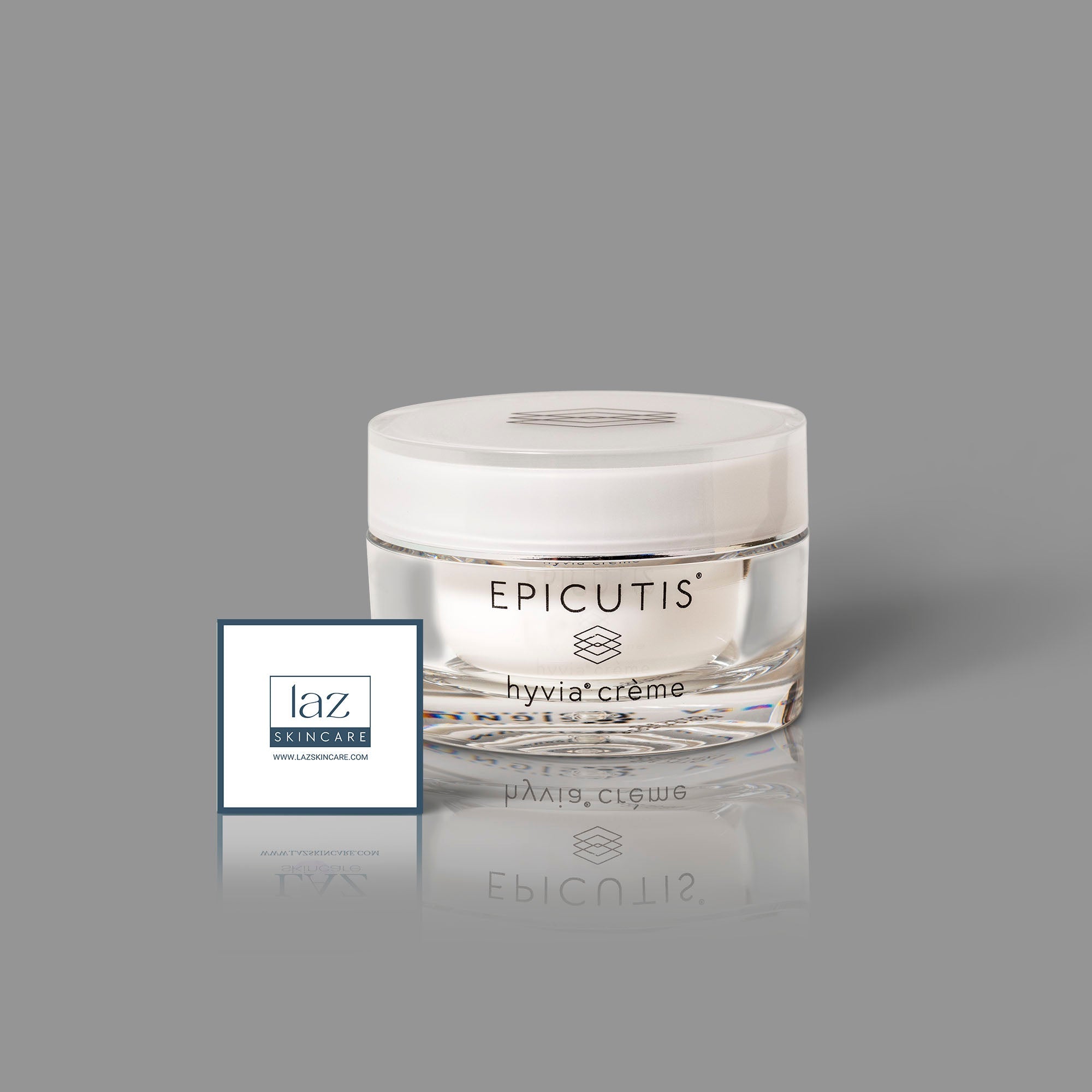
That’s exactly why I reach for Epicutis Hyvia Crème.
Ingredient Deep Dive: Hyvia, DSD, Shea Butter
Hyvia (biotech-enhanced chia seed oil): This isn't your average oil. Hyvia is formulated to support your skin barrier at a cellular level. It’s rich in omega-3s and anti-inflammatory compounds, but it absorbs beautifully without greasiness. I love it for clients who feel like nothing will stop their dryness or sensitivity.
DSD (antioxidant-lipid complex): DSD is a patented ingredient that helps reduce oxidative stress and inflammation. It’s ideal for anyone whose skin is stuck in that cycle of flare-ups and overreactivity.
Shea Butter: I’ve worked with shea butter for years, but in this formula, it’s perfectly balanced. It brings deep, cushiony hydration and helps repair cracks in the barrier without clogging pores or causing breakouts.
Together, these ingredients create a formula that nourishes deeply while still being gentle enough for post-procedure skin.
How I Recommend Using Epicutis Hyvia Crème
If you're trying to repair your barrier, less is more. Here’s how I typically recommend introducing this cream:
-
AM: After cleansing and using any barrier-safe serum (like Epicutis Lipid Serum or the Epicutis Hydrobiome Mist), apply a pea-sized amount of Hyvia Crème to damp skin. Follow with mineral SPF.
-
PM: Use as your final step after cleansing and any barrier-repair treatments. It locks everything in without suffocating your skin.
Pro Tip: You can also mix a drop of oil or barrier-repair serum into the cream if your skin is extremely dry.
Supporting Your Barrier Long-Term: Routine Tips
Here’s what I always remind my clients:
-
Don’t jump into too many actives too fast. Build up slowly.
-
Avoid scrubs and aggressive cleansing tools when your skin feels off.
-
Always moisturize after cleansing—even if you’re oily.
-
Use a mineral SPF daily. Sun damage weakens your barrier, too.
-
Post-procedure? Stick with products your provider approves for at least 5–7 days.
Barrier health isn’t just about what you apply. Sleep, hydration, and stress management all matter too.
Case Snapshot: Barrier Breakdown to Balanced Skin
A client came in after a trip abroad. Her skin was dry, blotchy, and every product she used burned. She’d just had a strong peel before traveling and had been layering acids, vitamin C, and retinol in a hot, dry climate. Classic barrier overload.
We paused all actives and simplified her routine to three things: gentle cleanser, Epicutis Hyvia Crème, and mineral SPF.
By week two, her redness had gone down significantly. By week four, she could reintroduce actives slowly—and now she uses Hyvia as her daily anchor, especially in winter.
Final Thoughts
Barrier damage can be frustrating, especially when your skin seems to react to everything. But with the right strategy, it is very fixable.
Whether you're recovering from procedures, managing sensitivity, or just need to press reset, Epicutis Hyvia Crème is a trusted part of my clinical protocol. I love how it supports the skin without overstimulating it.
If you're not sure whether your skin barrier is compromised or just confused by your current routine, let’s talk. You can book an in-person or virtual consultation here: https://www.lazskincare.com/book.html
Let’s get your skin back to balanced.
Understanding Dry Skin: More Than Just a Moisture Problem
Why Post-Procedure Recovery Matters