Timeline7 min read

When a product stings, that is not it working. Stinging is information, and the information is stop. Skin that rejects everything you own is not sensitive by nature, it is a barrier that has been taken apart faster than it can rebuild.

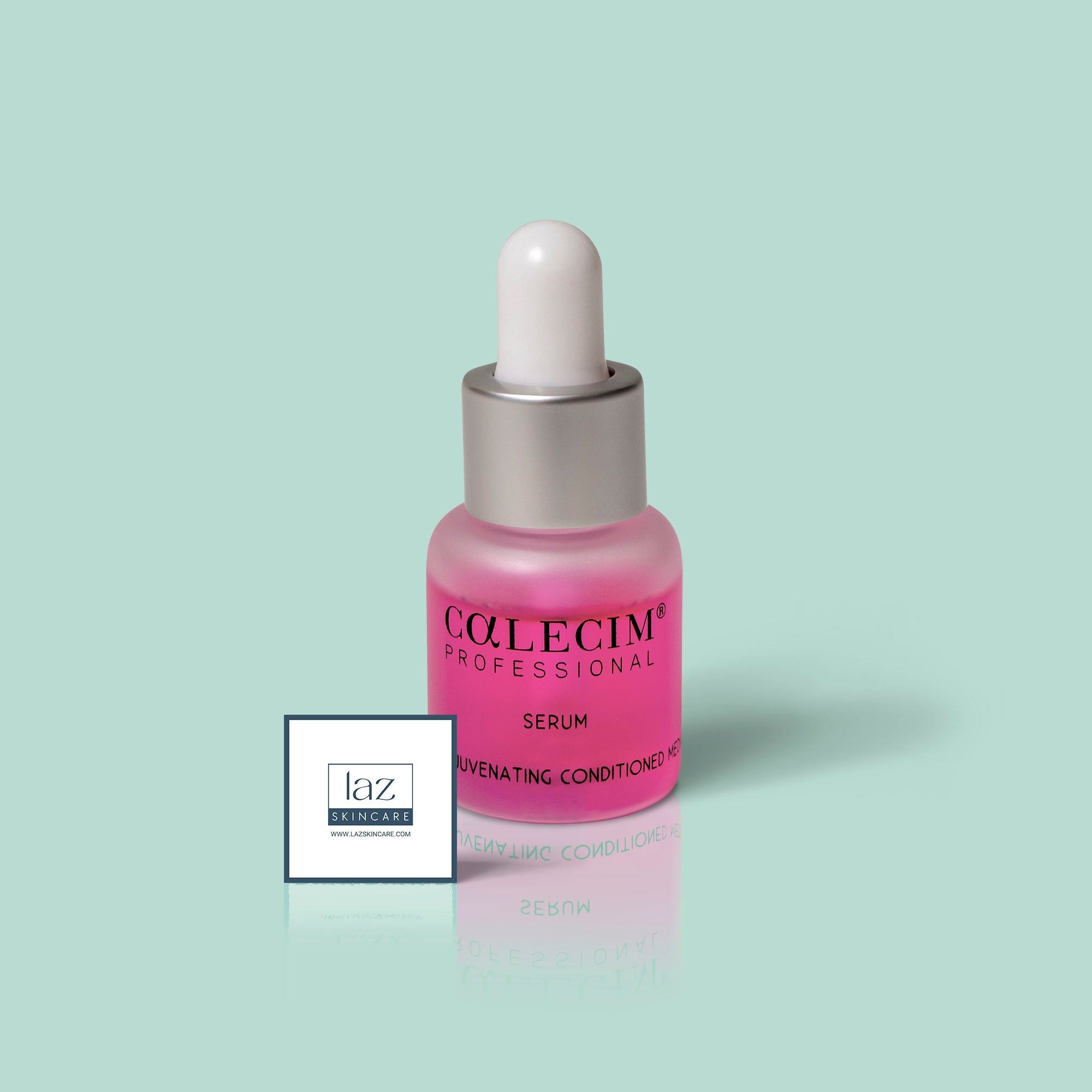
The Calecim Professional Serum, stocked by LAZ Skincare.
Seven ingredients. Skin that rejects everything usually accepts this.

The short answer

The Calecim Professional Serum is what I reach for when a barrier is too compromised to tolerate anything else. Seven ingredients, no acid, no retinoid, no fragrance and no essential oils, which is why skin that rejects everything usually accepts this.

A few drops on clean skin, first, morning and night.

This is not a redness corrector and it will not reduce visible vessels or treat rosacea. What it does is speed up repair so the skin stops being in a permanent state of reaction. Everything you actually want to treat comes afterward, and none of it works before this part is done.

Why does everything I put on my face sting?

Because the barrier that normally keeps ingredients away from nerve endings has thinned, and things that should never reach those nerves now do. The products have not changed. Your skin's ability to hold them at a distance has.

A compromised barrier also loses water faster, which is why reactive skin is nearly always dehydrated even when it is oily. Tightness, stinging and surface inflammation all follow from the same shortfall.

How people arrive here:

  • After a treatment. Laser, peels and needling all leave the barrier open, and sometimes it does not close on schedule.
  • Gradual over-treatment. Acids, retinoids and cleansing brushes accumulated over a year or two, each one reasonable alone.
  • Chasing the reaction. Something stings, so a gentler product gets bought, which also stings, so a gentler one again. The routine keeps changing and the barrier never gets a stable fortnight to rebuild.

That third pattern is the one I see most and the one people are least likely to recognize in themselves.

The Calecim Professional Serum from the LAZ Skincare range.
A few drops, first, allowed to absorb before anything goes over it.

What can you use when your skin tolerates nothing?

Something short. The fewer ingredients in a formula, the fewer things there are to react to, and on a barrier this fragile the ingredient list matters more than any claim on the front of the bottle. The Calecim Professional Serum runs to seven.

PTT-6 carries growth factors and signaling proteins that help regulate the inflammatory response rather than simply suppressing the look of it. Inflammation is the engine behind chronic redness, so acting on the signal is the more durable route.

Soluble collagens support structure and barrier integrity, which reduces water loss through the skin. Less water loss means less tightness, less stinging and a skin that flushes less readily.

Glycoproteins and fibronectins support tissue recovery. I lean on these for skin that feels thin or damaged by past breakouts and exfoliant overuse.

Albumin firms and calms the surface, and is genuinely comfortable on skin that feels raw during a flare.

Hyaluronic acid puts water back. Reactive skin is dehydrated skin, and rehydrating it removes a large part of the discomfort within days rather than weeks.

No fragrance, no essential oils, no botanical extracts. On this kind of skin, a short list is the whole argument.

How long until reactive skin settles down?

Two to four weeks to see tone and comfort change, and the comfort arrives before the color does. Full tolerance takes longer, and it is measured by what your skin will accept rather than by how it looks.

One client came in after laser with red, reactive skin and uneven tone. Her barrier was compromised badly enough that anything she applied burned or stung. We used this morning and evening with a plain cream and a sunscreen, and nothing else at all. By week three the redness had dropped substantially and the skin was no longer tight or reacting. Only then did we move on to the pigment work she had originally come in for.

Three weeks of three products bought back a treatment plan.

Who it does not suit: anyone wanting visible vessels treated, which needs laser. Anyone with diagnosed rosacea expecting this to replace prescription treatment. And anyone who will not simplify their routine, because the simplification is doing at least half the work here.

Calecim Professional Serum, part of the LAZ Skincare range.
Reactive skin is dehydrated skin, even when it is also oily.

What to do

  1. Cut back to three products. A non-foaming cleanser, this, and a plain moisturizer, plus mineral sunscreen in the morning. Everything else comes out.
  2. A few drops of the Calecim Professional Serum on clean, dry skin, applied first and allowed to absorb before anything goes over it.
  3. Fragrance-free moisturizer on top. Mineral sunscreen in the morning, since chemical filters are a common source of stinging on damaged skin.
  4. Hold that routine unchanged for a month. Not a week. Changing products is the habit that prevented recovery in the first place.
  5. Reintroduce one active after four weeks of calm, at half the frequency you used before.

Lukewarm water, no scrubbing, and a soft towel patted rather than dragged. These sound trivial and they are not on skin in this state.

Comfort within days. Visible tone change at two to four weeks. The honest measure of recovery is the day something you apply does not sting.

Sources and further reading

Product discussed: Calecim Professional Serum. Stocked because it is used in the clinic. The full ingredient list and current details are on the product page.

Skin that reacts to everything needs the cause identified before the routine is rebuilt, and that is genuinely hard to do from inside the problem. Book a consultation, in person at the NYC clinic or virtually, and we will strip it back together.

Last reviewed