Literacy6 min read

Redness is not a skin type. It is a symptom, and treating it as an identity is how people end up with a shelf of gentle products and a face that still flares at all of them.

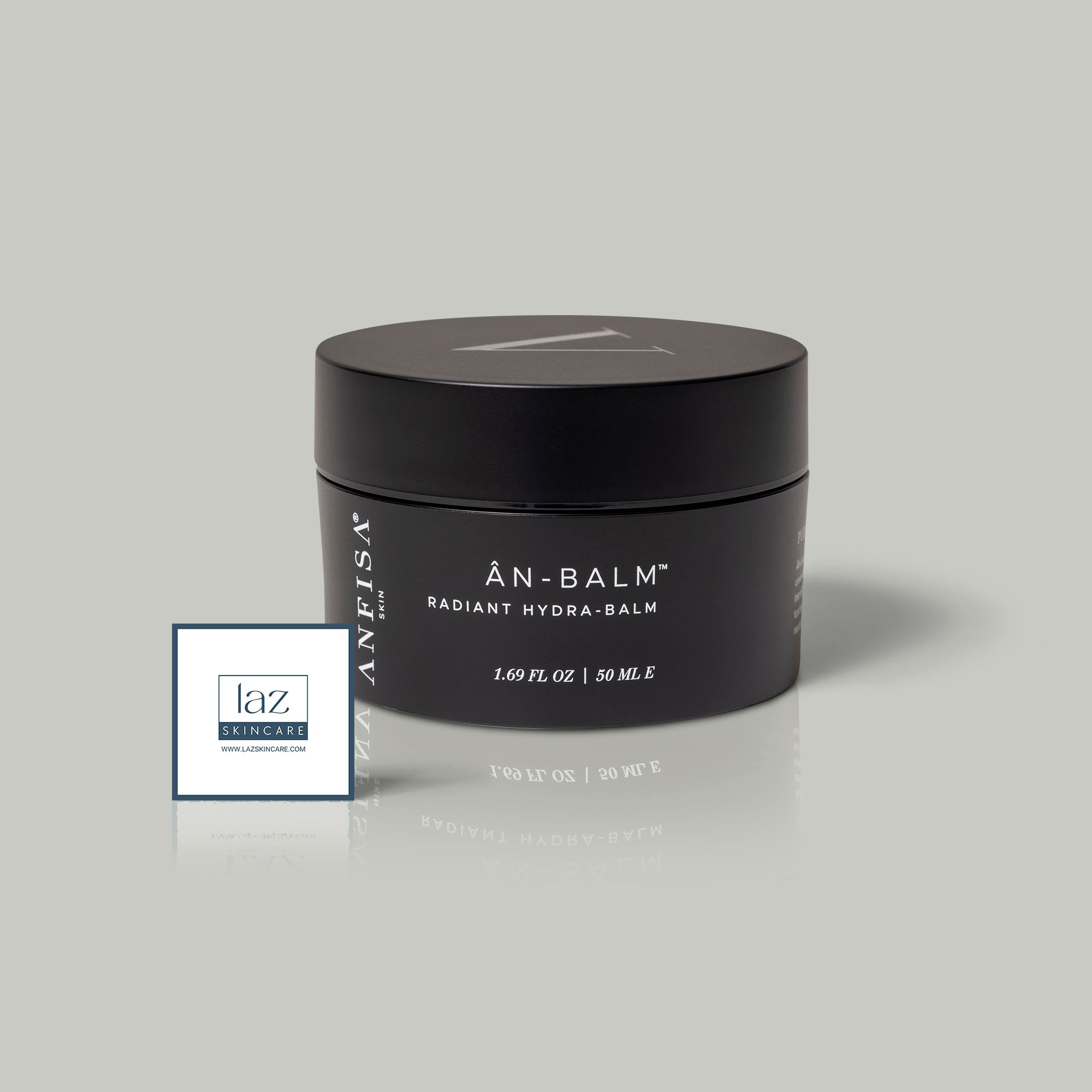
The Anfisa ÂN-BALM, stocked by LAZ Skincare.
For redness driven by a barrier that has stopped closing.

The short answer

The Anfisa ÂN-BALM is what I use when redness is coming from a barrier that has stopped protecting itself. Green tea to bring the inflammation down, murumuru butter to rebuild the lipids letting irritants through, and antioxidants for the environmental load on top.

A small amount, last step at night, on skin that has had everything else taken away from it.

There is a real tension worth naming. This is a botanical formula containing essential oils, and reactive skin is exactly the skin most likely to object to those. Patch test along the jaw for several nights before it goes anywhere near your cheeks. If it stings, it is not for you, and that is a legitimate outcome rather than a failure.

Why does my face turn red every time I try a new product?

Because the barrier is letting things reach nerve endings and immune cells that should never have got that far. The product is usually not the problem. The gate is.

Redness points to several different things, and they need different responses:

  • Barrier breakdown, usually from over-cleansing, over-exfoliating, or too many actives at once.
  • Ongoing inflammation that never fully resolves between flares.
  • Dehydration, which thins the skin's defences and makes everything land harder.
  • Post-inflammatory redness left behind after a spot or a procedure, which is a healing stage rather than sensitivity.
  • Vascular conditions such as rosacea, which sit outside what any balm can address.

I have worked with people who spent years believing they had sensitive skin. What they had was a barrier that never got the chance to close, because every time it started to, something new went on top of it.

The Anfisa ÂN-BALM from the LAZ Skincare range.
Pressed in, never rubbed. Friction on inflamed skin undoes the work.

Which ingredients calm redness without stripping the skin?

Anti-inflammatories to settle what is already happening, and lipids to stop the next round starting. Products that only do the first give you a quiet week and then the same flare. The Anfisa ÂN-BALM covers both.

Green tea extract is the one that matters most here. Anti-inflammatory, antioxidant, and gentle enough that irritated skin accepts it. It is the first thing I look for when someone tells me their face feels hot.

Murumuru butter does the structural half. Fatty acids that soften and reinforce the barrier, without the occlusive heaviness that congests skin already under stress.

Blueberry seed oil handles oxidative stress from pollution and daylight, which is a quiet contributor to chronic redness in anyone living in a city.

Around them sit cold-pressed seed oils across a range of fatty acid profiles, plus helichrysum, blue tansy and carrot seed. Those last three are soothing botanicals with a long history of use, and they are also the most likely ingredients in the jar to provoke someone. Both things are true.

Note what is not in it. No fragrance added for the sake of it, no alcohol, nothing exfoliating.

Does it help redness after microneedling or a peel?

That is one of its jobs in the treatment room. A small amount after microneedling or an exfoliating peel takes the inflammation down and seals hydration in without anything sharp in the formula to complicate the recovery.

One client had chronic redness across the cheeks and jawline that flared with every new product she tried, including the ones sold as gentle. We stopped all actives and cut her back to three things: a barrier-repair cleanser, a hydrating serum, and this at night. Two weeks later the redness had visibly faded and she was comfortable going without makeup.

Pausing everything feels like doing nothing. It is the most active decision in that whole plan.

Who it does not suit: anyone whose redness comes with pustules, visible broken vessels or strong flushing triggers, since that pattern needs a rosacea diagnosis and often prescription treatment. Anyone actively congested across the face. And anyone with a known reaction to botanical oils, for whom a simpler ceramide cream is the better call.

Anfisa ÂN-BALM, part of the LAZ Skincare range.
Botanical and soothing, and worth patch testing on reactive skin.

What to do

  1. Stop all actives first. Acids, retinoids, vitamin C, scrubs. Give it two weeks before you judge anything.
  2. Patch test on the jawline for three nights. Reactive skin earns this step.
  3. Cleanse gently, apply a hydrating serum to damp skin, then press a small amount of the Anfisa ÂN-BALM over the top as the final step at night.
  4. If the redness sits in one area, treat that area only rather than the whole face.
  5. Reintroduce one active at a time, no sooner than a fortnight apart, once the skin has been calm for a week.

Press, never rub. Mechanical friction on inflamed skin undoes the work you are trying to do.

Comfort within a few nights. Visible reduction in redness at two weeks. Skin that stops reacting to everything takes longer, and the reintroduction stage is where most people lose the progress by moving too fast.

Sources and further reading

Product discussed: Anfisa ÂN-BALM. Stocked because it is used in the clinic. The full ingredient list and current details are on the product page.

Barrier redness and vascular redness look alike in a mirror and respond to completely different things. Book a consultation, in person at the NYC clinic or virtually, and we will work out which one is driving yours.

Last reviewed