Account6 min read

A humidifier will do more for your winter redness than most of the serums you are considering, and it costs less than one of them. Cold weather redness is a barrier problem caused by the air, and the air is the part people never think to change.

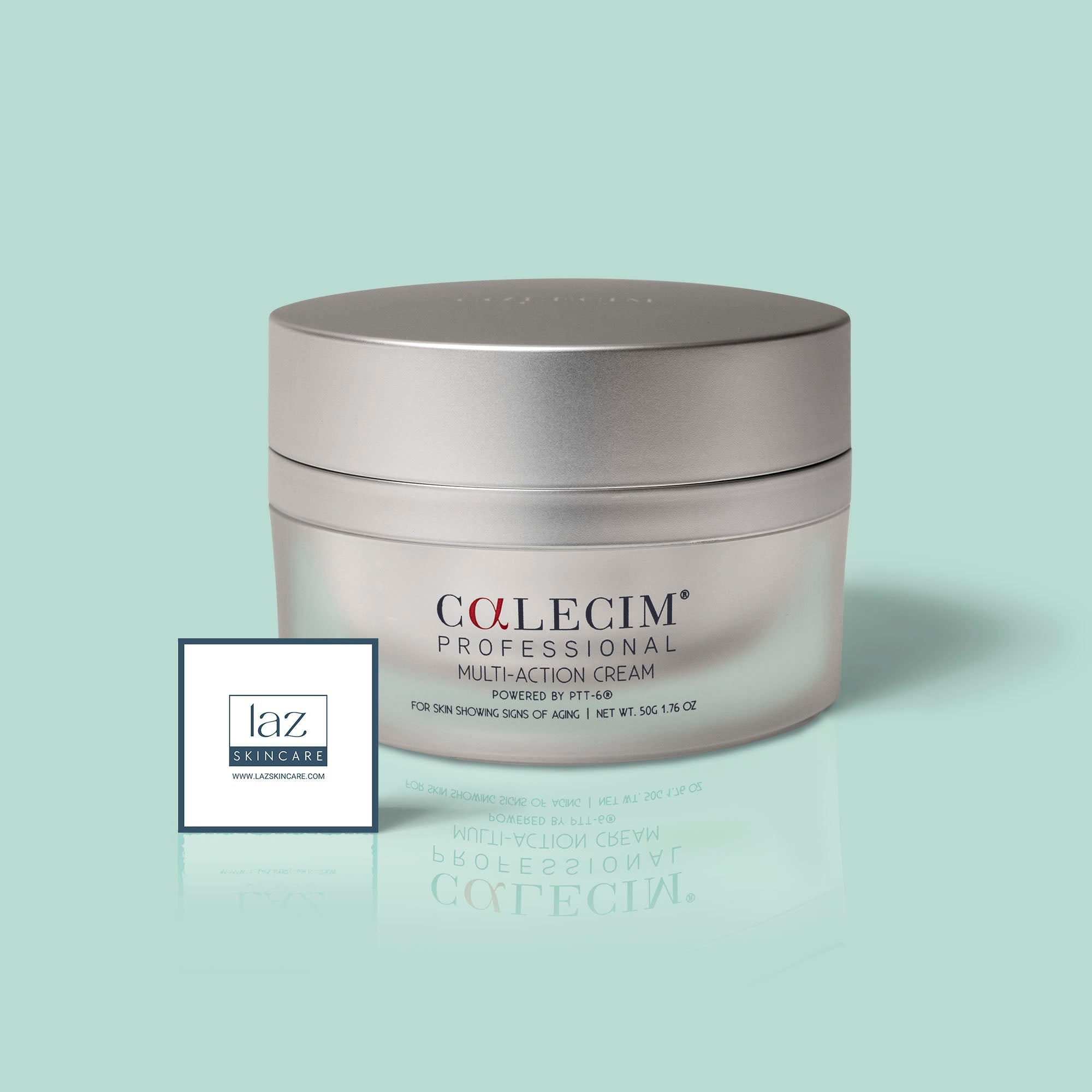
The Calecim Multi-Action Cream, stocked by LAZ Skincare.
What I keep clients on through winter and travel.

The short answer

The Calecim Multi-Action Cream is what I keep clients on through winter and travel. The fatty acid base replaces the lipids cold air strips out, and the protein fraction supports repair while the weather keeps working against you.

Morning and night, as the main moisturizer, through the cold months.

It cannot out-run your environment. If you are running dry heat at night, taking hot showers and walking into wind without cover, the cream is repairing a barrier you are dismantling daily. Fix the air and the showers first, then the cream does considerably more than it otherwise would.

Why does my face get red in cold weather?

Because cold air holds almost no moisture, and skin loses water to dry air continuously. A barrier that is short of lipids cannot hold that water in, and the inflammation that follows shows up as color.

Four things stack up over a winter:

  • Cold outside. Vessels constrict in the cold and dilate again in the warm, and that repeated swing leaves the face flushed for a while afterward.
  • Wind, which physically strips surface lipids. This is where the raw, stinging quality comes from.
  • Indoor heating, which drops humidity dramatically. You spend most of the winter in this rather than outside in it.
  • Cabin air on flights, which is drier than most deserts. A long flight will undo weeks of barrier work in a single afternoon.

Then there is the hot shower, which feels wonderful and strips lipids faster than anything else in the list.

None of this is a skin type. It is a set of conditions, and conditions can be changed.

The Calecim Multi-Action Cream from the LAZ Skincare range.
Applied to damp skin, morning and night, through the cold months.

What protects the skin barrier in winter?

Lipids, mostly. Winter redness is a lipid problem before it is anything else, and humectants alone will make it worse by drawing water into skin that cannot hold it. The Calecim Multi-Action Cream is built the right way round for this.

Oleic, linoleic and palmitic acids sit high in the formula and are the reason it works in February. They replace what wind and dry air remove, cutting water loss through the skin and taking the visible redness down with it.

PTT-6 handles the inflammatory side. Winter redness is repeated low-grade inflammation, and supporting the recovery between exposures is what stops it accumulating into something that lasts until April.

Glycoproteins, fibronectins and soluble collagens rebuild the structure underneath, which matters when the skin is being stressed daily rather than once.

Tocopherol covers oxidative stress from wind, cold and pollution, all of which are worse in winter in a city.

Hyaluronic acid, potassium lactate and lactic acid hold water, with the lactic acid working as a humectant at the end of the list rather than as an exfoliant. Nothing here renews or resurfaces, which is the correct choice for skin taking daily environmental hits.

How fast can winter redness improve?

Faster than most redness, because the cause is external and ongoing rather than built up over years. Remove the stressor, replace the lipids, and the skin responds within days.

One client came in after travel with skin that was red, dry and inflamed from cabin air and a cold snap on arrival. We dropped every active and rebuilt around a hydrating mist, a gentle cleanse and this cream. Within a week the redness had more than halved and the tightness and stinging were gone. She has kept it as her rescue moisturizer ever since.

That is the pattern with weather redness. It comes on quickly and it leaves quickly, provided you stop treating it as a skin type.

Who it does not suit: oily or congested skin, which will find it heavy for daily winter use and should reserve it for the dry areas. Anyone whose redness is vascular, since replacing lipids does nothing to visible vessels. And anyone with diagnosed rosacea expecting it to replace prescription treatment.

Calecim Multi-Action Cream, part of the LAZ Skincare range.
Winter redness is a lipid problem before it is anything else.

What to do

  1. Put a humidifier in the bedroom. This is the highest-value thing on the list and the one people skip.
  2. Drop the water temperature in the shower and keep your face out of the direct stream.
  3. Apply the Calecim Multi-Action Cream morning and night to slightly damp skin, as your main moisturizer through the cold months.
  4. Pull the actives back in winter. Acids and retinoids that suited you in June are frequently too much in January, and the same routine is not the same routine in different weather.
  5. Sunscreen anyway. Winter UV is lower and it is not zero, and snow and glass both reflect it.

For flights, apply a layer before boarding and again on landing. Cabin air is drier than a desert and a long haul does real damage.

Comfort within days. Visible redness down inside a week or two. If you get through a whole winter without a flare, that is the result, and it will look like nothing happened.

Sources and further reading

Product discussed: Calecim Multi-Action Cream. Stocked because it is used in the clinic. The full ingredient list and current details are on the product page.

Seasonal redness and year-round redness need different plans, and a routine that suits a New York summer rarely suits a New York February. Book a consultation, in person at the NYC clinic or virtually, and we will build one that changes with the weather.

Last reviewed