Instructional7 min read

The most common cause of post-inflammatory pigment I see is not acne. It is a treatment somebody paid for. Every procedure that works by injuring the skin can leave a mark instead of removing one, and pigment-prone skin is where that happens.

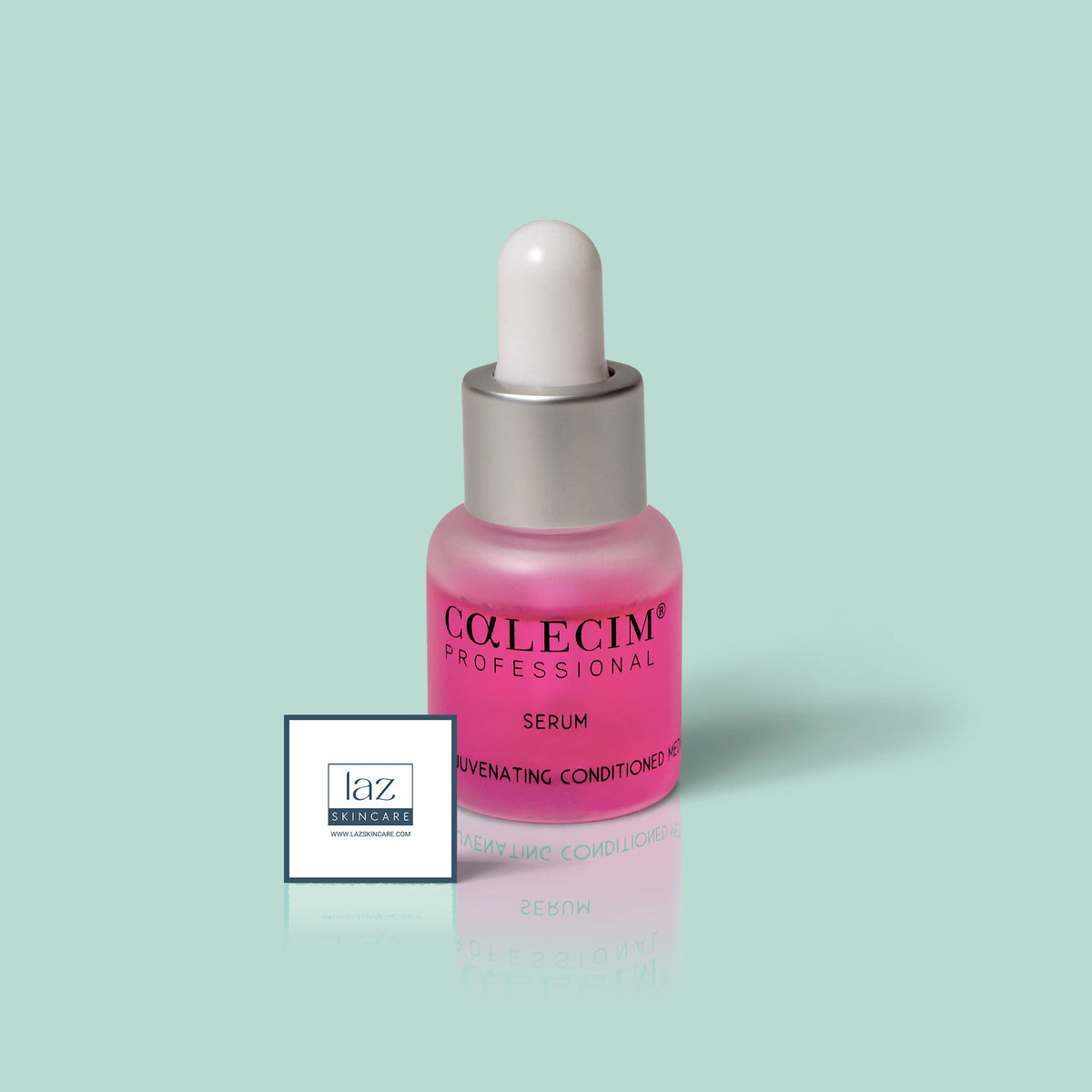
The Calecim Professional Serum, stocked by LAZ Skincare.
Used around procedures, where shortening the healing phase matters most.

The short answer

The Calecim Professional Serum is what I use around procedures to shorten the inflammatory phase, because the length of that phase is what decides whether you get a result or a mark. Growth factors and structural proteins to speed repair, hyaluronic acid to keep the skin hydrated, and nothing abrasive anywhere in it.

A few drops on clean skin, once or twice daily, and straight after treatment.

It reduces risk. It does not remove it. The largest factors in whether you pigment after a procedure are your skin type, the settings used and the practitioner's judgment, and no serum compensates for aggressive treatment on skin that should have had something gentler.

Why does microneedling or laser cause dark marks?

Because these treatments work by creating controlled injury, and pigment is one of the things skin produces in response to injury. The mechanism that makes them effective is the same mechanism that can backfire.

Melanocytes near an inflamed area increase production while the tissue repairs. If the inflammation resolves quickly, little pigment is deposited. If it drags on, the deposit builds and can outlast the healing by months.

What raises the risk:

  • Medium to deep skin tones, where the pigment response to any injury is stronger.
  • A history of pigmenting easily, from acne, cuts, insect bites or anything else.
  • Sun exposure in the days after, when the skin is barely defended.
  • Settings pushed harder than the skin needed, or sessions booked closer together than it can recover from.
  • Active inflammation on the day. Treating skin that is already irritated stacks one injury on another.

A good practitioner raises this before you book. If nobody has mentioned it and your skin pigments, ask, and take an evasive answer as information.

The Calecim Professional Serum from the LAZ Skincare range.
A few drops on clean skin, following your practitioner's protocol.

What helps skin recover after a procedure without pigmenting?

Anything that shortens the inflammatory phase and keeps the barrier intact while it closes. Speed of healing is the variable you can actually influence. The Calecim Professional Serum is built for exactly this window, which is also the window where its ingredients can actually get in.

PTT-6 carries growth factors and signaling proteins that speed regeneration and reduce inflammation. Clinics use this class of product to cut downtime, swelling and discomfort, and less inflammation over fewer days means less pigment deposited.

Soluble collagens and fibronectins give the skin structural material during rebuilding. Fibronectin is involved in how cells organize themselves in a healing wound, which is why this formula belongs in recovery rather than in a maintenance routine.

Glycoproteins and albumin smooth and refine the surface, which helps with the uneven texture left by old breakouts as much as by treatment.

Hyaluronic acid keeps things hydrated. Dry inflamed skin holds pigment longer and heals more slowly, so this is doing more than it appears to.

No acid, no retinoid, no fragrance and no oil. On skin that has just been needled, that list of absences matters more than anything present.

How long does post-procedure pigment take to fade?

Months, and longer than the pigment from a breakout, because the injury was deliberate and usually deeper. Prevention is worth considerably more than treatment here, which is the whole argument for getting the recovery phase right.

One client came in with clusters of pigment left by hormonal acne. She had worked through several brightening products and each one had produced rebound irritation, which was feeding the problem she was treating. We moved her to a barrier-focused routine with this at the center. Over eight weeks her tone evened out substantially, and she had stopped breaking out from the overuse of harsh actives.

The brighteners were not failing. They were being applied to skin that could not take them.

Who it does not suit: anyone whose marks are red rather than brown. Anyone hoping a recovery serum substitutes for pigment treatment once the skin is calm, since it does not fade anything by itself. And anyone about to book an aggressive procedure on pigment-prone skin, who needs a different conversation before they need a serum.

Calecim Professional Serum, part of the LAZ Skincare range.
Less inflammation over fewer days means less pigment left behind.

What to do

  1. Before booking, tell your practitioner if you pigment easily and ask how they are adjusting for it. This matters more than anything you apply afterward.
  2. Stop retinoids and acids in the days before treatment, and go in with calm skin rather than irritated skin.
  3. Straight after the procedure and for the following days, apply a few drops of the Calecim Professional Serum to clean skin, following whatever protocol your practitioner has given you.
  4. Strict sun avoidance and daily sunscreen for at least two weeks afterward. This is where most post-procedure pigment is actually made.
  5. Reintroduce actives slowly once cleared, one at a time.

Your practitioner's aftercare instructions override anything written here. Protocols differ by device and by skin.

Faster, calmer healing within days. Tone improvement at four to six weeks when used alongside pigment-focused products. If a shadow does appear, treat it early rather than waiting to see whether it settles.

Sources and further reading

Product discussed: Calecim Professional Serum. Stocked because it is used in the clinic. The full ingredient list and current details are on the product page.

Whether a given procedure is safe for your skin is a question worth answering before you book rather than afterward. Book a consultation, in person at the NYC clinic or virtually, and we will look at how your skin has responded to injury in the past.

Last reviewed