Diagnostic6 min read

People describe it the same way almost every time. Tight, flaky, never quite hydrated no matter what they use. That last part is the clue, because if moisturiser were the answer the fourth one would have worked.

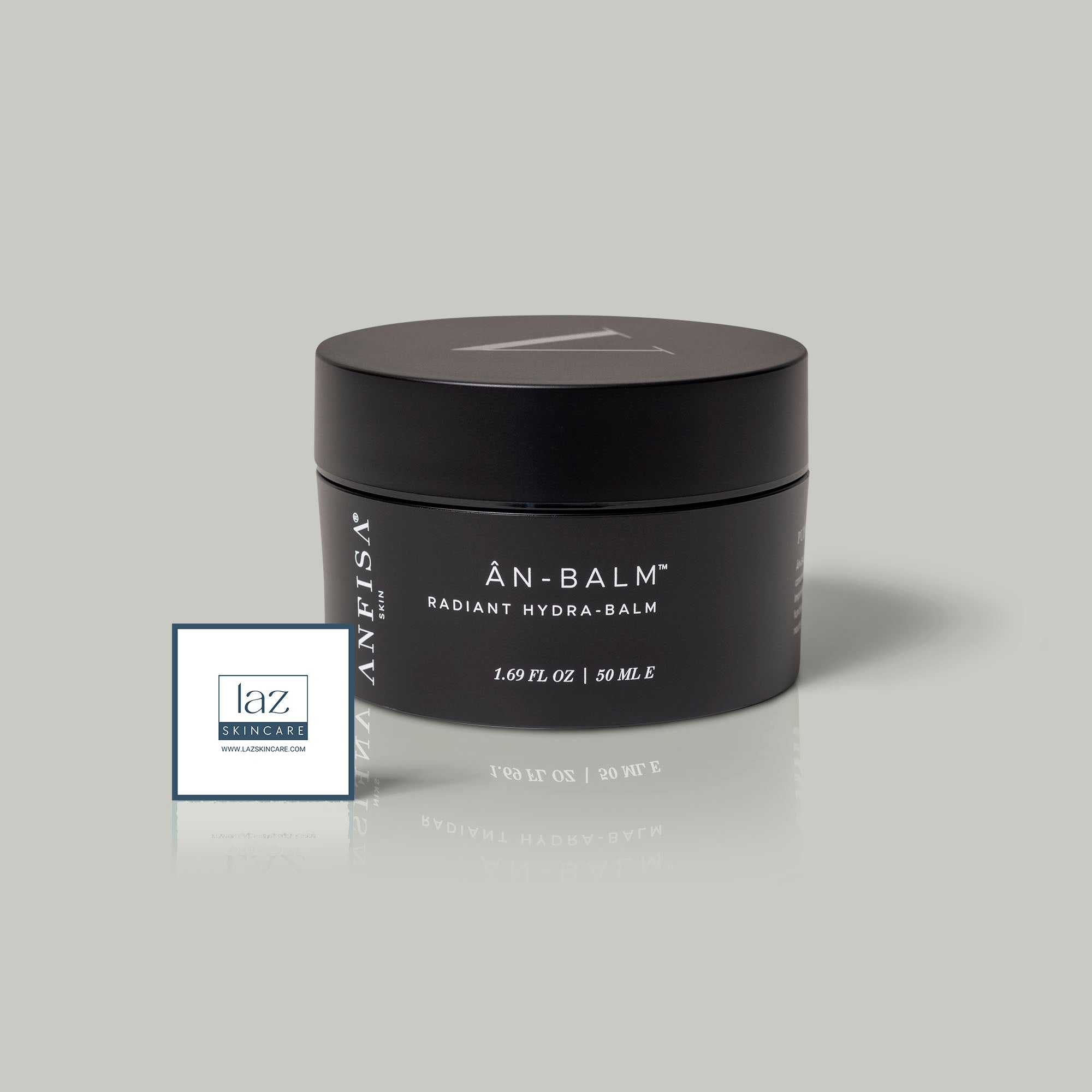
The Anfisa ÂN-BALM, stocked by LAZ Skincare.
For skin short of lipids. Skin short of water needs something else first.

The short answer

The Anfisa ÂN-BALM is what I use when the shortage is lipids rather than water. It is dense and almost entirely made of butters and cold-pressed seed oils, which is precisely why it works where another cream will not.

A thin layer, last step at night, on damp skin.

What it will not do is hydrate you. There is no water in it. If your skin is dehydrated rather than dry, this on its own will feel comfortable for an evening and change nothing, and you need something water-based underneath it. Telling those two apart is the whole job here.

Is my skin dry or dehydrated, and why does moisturiser stop working?

Dry skin is short of oil. Dehydrated skin is short of water. They feel similar and they need opposite things, which is why so many people cycle through moisturisers without getting anywhere.

A rough way to tell them apart:

  • Dry skin flakes, feels rough to the touch, and rarely gets oily anywhere. It has usually been like this for years.
  • Dehydrated skin feels tight but can still be shiny by afternoon. It shows fine crepey lines that vanish when you apply something water-based. It comes and goes with sleep, travel and season.
  • Plenty of people have both at once, which is why the diagnosis has to come before the shopping.

Underneath genuine dryness is barrier dysfunction. The skin cannot hold what it is given, so water escapes as fast as you apply it. Adding more of the same cream is treating the symptom at the exact point where it fails.

If you are three moisturisers deep and still tight, the answer is not a fourth.

The Anfisa ÂN-BALM from the LAZ Skincare range.
A thin layer over damp skin, pressed rather than rubbed.

Which ingredients actually repair a dry skin barrier?

Fatty acids, mostly, delivered in a form the skin recognises. A barrier is built from lipids, so a barrier that has failed needs lipids put back rather than more humectant. The Anfisa ÂN-BALM is close to pure lipid.

Murumuru butter leads it. Lauric acid and medium-chain fatty acids that soften and reinforce the barrier, with a texture that melts rather than sitting on the surface. This is the ingredient doing the structural work.

Blueberry seed oil adds nourishment and antioxidant cover, and keeps the whole thing lighter than a butter this rich has any right to be.

Green tea extract handles the inflammation. Chronically dry skin is usually mildly inflamed skin, and calming that is part of letting the barrier rebuild.

The rest is a spread of cold-pressed seed oils, watermelon through to rosehip, pomegranate, blackcurrant and hemp. Different fatty acid profiles rather than one oil repeated, which is what gives it range across different kinds of dryness.

An occlusive alone would trap water and do nothing else. This traps water and feeds the barrier at the same time, and that second part is what shortens the recovery.

Does it help with retinol flaking and winter dryness?

Those are the two situations I reach for it most. Cold air outside and dry heat inside strip skin faster than most routines can keep pace with, and the early weeks of a retinoid produce flaking that people mistake for a reaction.

One client came in during winter while she was still adjusting to retinol. Flaky, red and uncomfortable, and no amount of moisturiser was touching it. We cut her routine back rather than adding to it and used this nightly. Within a week the flaking had settled and the skin felt soft again, with fewer products on her shelf than when she started.

That is the pattern worth noticing. The fix was subtraction plus lipids.

Who it does not suit: anyone congested or breaking out across the whole face, since a dense balm over active congestion is asking for trouble. Anyone who has reacted to botanical oils before should treat the essential oils in here as a genuine risk rather than a detail.

Anfisa ÂN-BALM, part of the LAZ Skincare range.
Butters and cold-pressed seed oils. Almost no water anywhere in it.

What to do

  1. Cleanse with something non-stripping and leave the skin damp. Do not towel it dry.
  2. Apply a hydrating serum or your moisturiser while the skin is still wet. This is the water layer, and the balm cannot replace it.
  3. Warm a thin layer of the Anfisa ÂN-BALM between the fingers and press it over the top as the last step at night.
  4. For patchy dryness, skip the full face and press a little into the tight areas only, around the mouth and nose being the usual suspects.
  5. In cold or windy weather, a very thin layer works under sunscreen in the morning.

If your skin is inflamed or overworked, use it on clean skin alone for three or four nights first. Strip everything else out, let things settle, then rebuild.

Comfort the first night. Flaking settling within a week. A barrier that holds its own hydration takes four to six weeks, and it holds only if whatever damaged it has also stopped.

Sources and further reading

Product discussed: Anfisa ÂN-BALM. Stocked because it is used in the clinic. The full ingredient list and current details are on the product page.

Dry and dehydrated skin need opposite corrections, and most people have been treating the wrong one. Book a consultation, in person at the NYC clinic or virtually, and we will sort out which one you have before you buy anything else.

Last reviewed