Correction6 min read

Dull skin sends most people looking for a stronger acid. In the clinic the skin in front of me is usually asking for the opposite, because what reads as dullness is often a barrier that has been sanded down by the last three products someone bought to fix it.

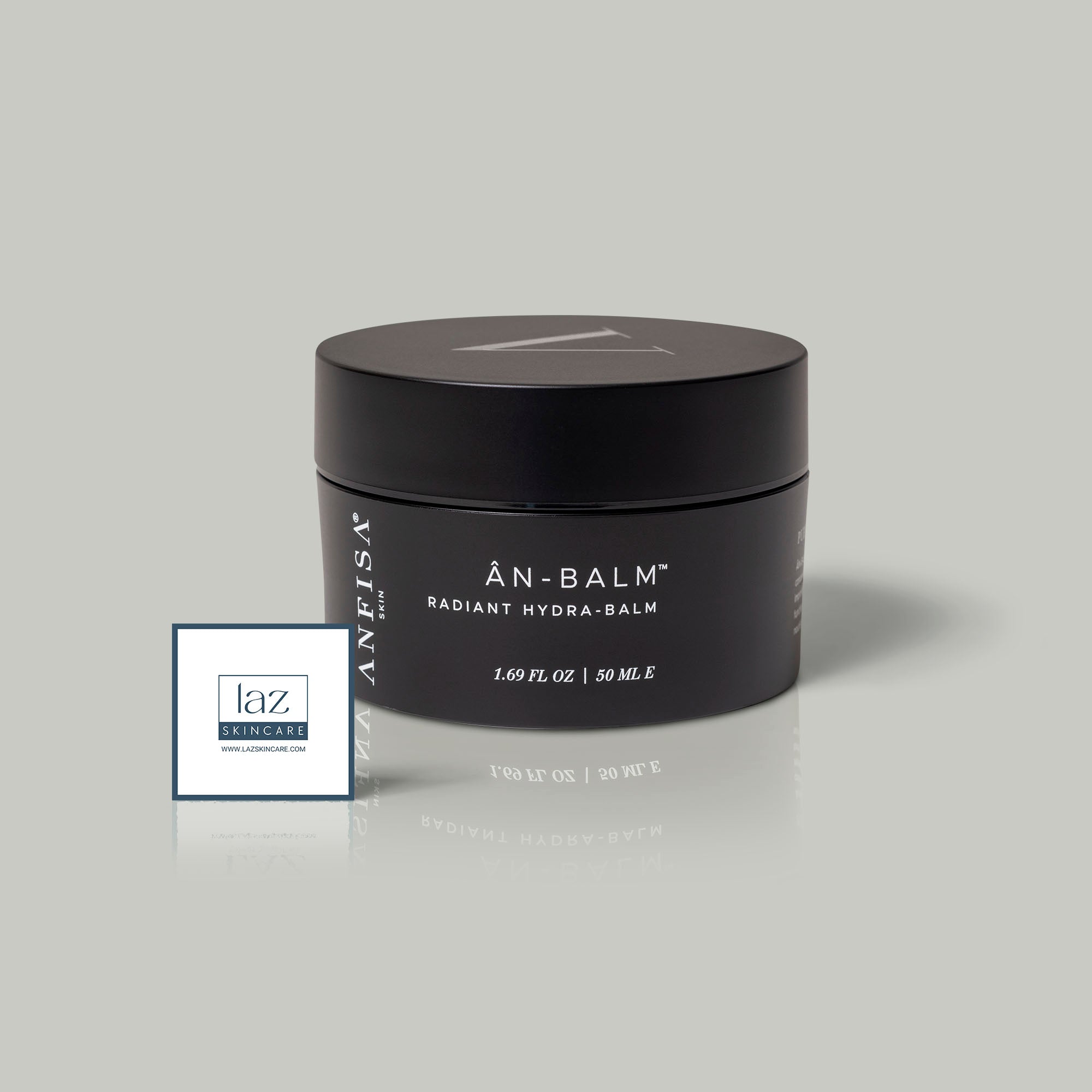
The Anfisa ÂN-BALM, stocked by LAZ Skincare.
For skin that has gone flat from over-treatment rather than buildup.

The short answer

The Anfisa ÂN-BALM is what I use when skin has gone flat from stress and over-treatment rather than from buildup. Murumuru butter to smooth the surface so it reflects light evenly, a stack of cold-pressed seed oils for antioxidant cover, and green tea to settle the irritation underneath.

A pea-sized amount on damp skin, last step at night.

Here is the limit, and it is the one people get wrong. There is no water in this. It seals and it feeds, it does not hydrate. Applied to bare skin with nothing underneath it will feel wonderful and do almost nothing for you.

Why is my skin dull even though I exfoliate?

Because dullness is more often a recovery problem than a buildup problem, and exfoliating the recovery version makes it worse. A compromised barrier scatters light rather than reflecting it, which is exactly what the eye reads as flat.

The usual drivers:

  • Environmental stress. Pollution, UV and city air generate oxidative damage that dulls tone before it does anything more dramatic.
  • Dehydration. Skin low on water loses plumpness at the surface, and a flat surface has nothing to bounce light off.
  • Healing after inflammation. Skin recovering from a breakout or a reaction goes through a grey phase that looks like dullness and is not.
  • Overuse of actives. The most common one I see. Acids, retinoids and scrubs stacked past what the barrier can absorb.

If your skin looks dull and your instinct is to reach for another acid, that instinct is the problem. People come in certain they need something stronger, and often the skin is asking to be left alone and fed.

The Anfisa ÂN-BALM from the LAZ Skincare range.
A pea-sized amount on damp skin, pressed in as the last step at night.

What is in it, and can a balm really brighten dull skin?

A balm does not brighten by lightening pigment. It works on the two things that actually produce the look of radiance: a smooth surface that reflects light evenly, and less oxidative stress sitting in the tissue. The Anfisa ÂN-BALM is built around three ingredients doing that job.

Murumuru butter carries lauric acid and other medium-chain fatty acids. It softens and smooths without the heaviness that usually comes with a butter, and smoothing the surface is most of what changes in the first week.

Blueberry seed oil is the antioxidant workhorse, aimed at pollution and environmental stress. It is light enough that oily and combination skin tolerate it, which is unusual for something this nourishing.

Green tea extract calms irritation and helps regulate oil. When someone tells me their skin feels tired, green tea is almost always in the plan.

Behind those sits a long list of cold-pressed seed oils. Watermelon, grape, raspberry, pomegranate, blackcurrant, cucumber, rosehip, tomato and hemp, plus kakadu plum, helichrysum and blue tansy. Different fatty acid profiles covering different jobs.

Read that list again and notice what is missing. Water. This is an anhydrous formula and it belongs on top of hydration, never instead of it.

Does a balm work on oily or combination skin?

Better than people expect, provided you place it rather than slather it. The seed oil profile here is light, and combination skin usually does well when the balm goes only where the skin is asking for it.

One client travels constantly and has reactive, dullness-prone skin. She had reached the point where nothing seemed to sink in, and her face looked flat no matter how much serum went on it. We stripped the routine back and added this as the final step at night. Within a week she described it as hitting refresh on her face, which is roughly how the change looks from the outside too.

I also use it after treatments for barrier recovery, and it earns its place through autumn and winter when heating and cold strip skin faster than most routines can keep up with.

Who it does not suit: anyone actively congested across the whole face, and anyone with a history of reacting to botanical oils. There are several essential oils in here. That is a real consideration, not a footnote.

Anfisa ÂN-BALM, part of the LAZ Skincare range.
No water in the formula. It seals hydration in, it cannot supply it.

What to do

  1. Cleanse, then apply your hydrating serum and moisturiser while the skin is still damp.
  2. Warm a pea-sized amount of the Anfisa ÂN-BALM between your fingers and press it in as the last step at night.
  3. Combination skin: place it on the cheeks and any tight or reactive zones, leave the centre panel alone.
  4. Once a week, use a thicker layer as a mask for fifteen to twenty minutes, then rinse.

Start at night only, three or four times in the first week, then move to nightly if the skin is happy. If you are also using an azelaic acid or PHA serum, that goes on first and the balm seals it.

Smoothness and light reflection inside a week. The reasons behind the dullness take longer, and if over-exfoliation was one of them, the actives need to come down at the same time.

Sources and further reading

Product discussed: Anfisa ÂN-BALM. Stocked because it is used in the clinic. The full ingredient list and current details are on the product page.

Dullness from over-exfoliation and dullness from dehydration need opposite corrections, and guessing wrong costs months. Book a consultation, in person at the NYC clinic or virtually, and we will work out which one you are dealing with.

Last reviewed