
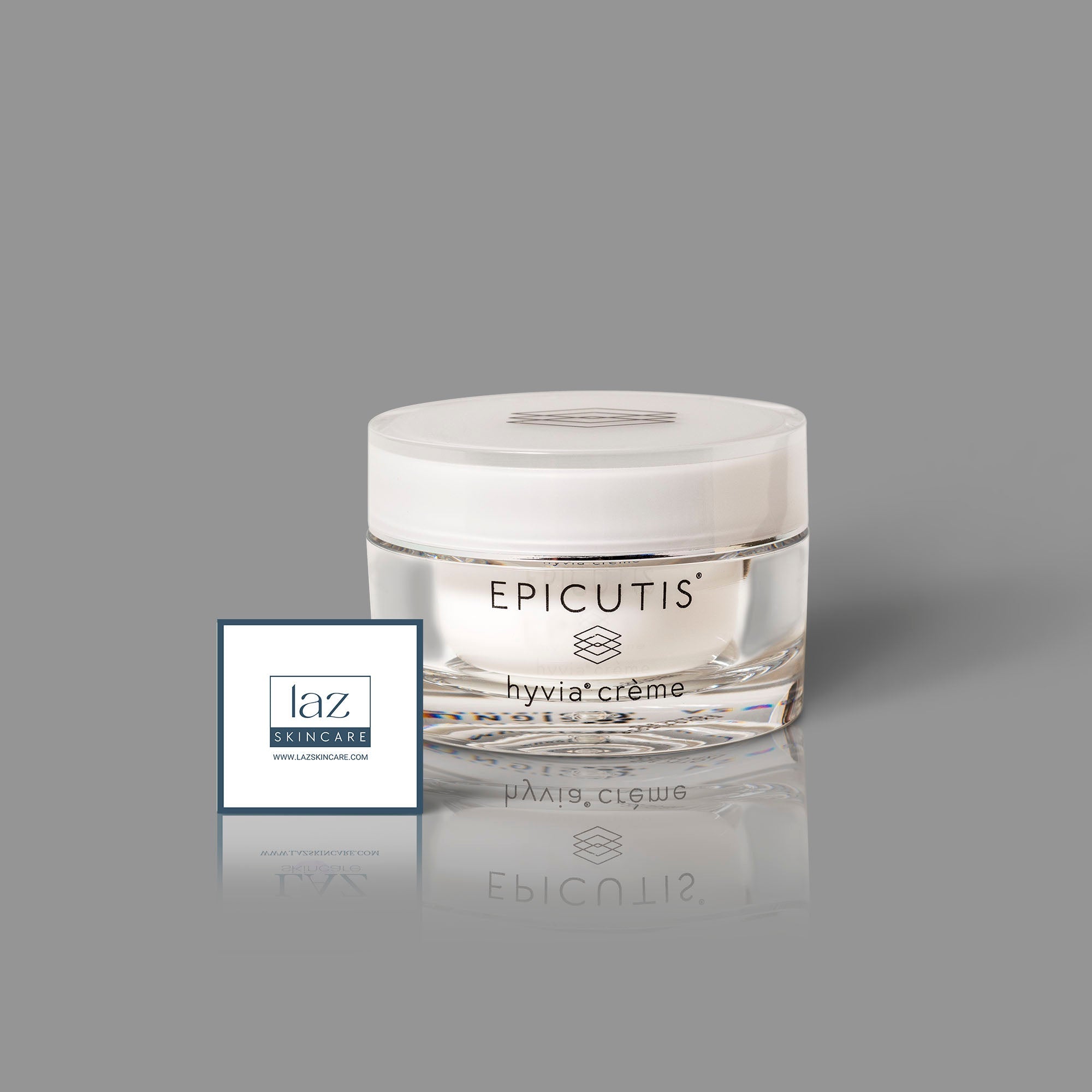
If you’ve ever looked in the mirror and felt like your skin looked dull, tight, or flaky—you're not alone. Dry skin is one of the top concerns I treat in my clinic. And here’s the thing: dry skin isn’t just about needing more moisturizer. It’s usually a sign that your skin barrier is compromised.
Your skin barrier is like a brick wall—skin cells are the bricks, and healthy fats (lipids) are the mortar. When this barrier gets disrupted—due to harsh products, cold weather, internal stress, or even over-cleansing—moisture escapes, and inflammation moves in.
The result? Rough texture, redness, sensitivity, and that parched, crepey feeling.
So when a client comes in with dry skin, my goal isn’t just to add water back into the skin. It’s to restore function—to rebuild and protect that barrier. That’s where a formula like Epicutis Hyvia Creme truly shines.
Why Epicutis Hyvia Creme Is Different
I’ve tested hundreds of creams over the years. Some hydrate for an hour, then you’re right back where you started. What I love about Hyvia Creme is that it works in two key ways:
-
It replenishes moisture deeply and immediately.
-
It helps restore the barrier long-term—so skin can hold onto hydration better over time.
It’s rich, but not greasy. Elegant, but science-backed. Let’s talk about the three powerhouse ingredients that make it so effective for dry skin.
Ingredient Spotlight: What Makes Hyvia Creme Work
1. Hyvia (Biotech-enhanced Chia Seed Oil)
This isn’t your smoothie’s chia seed oil. Hyvia is a patented, biotech-enhanced form that goes far beyond surface hydration.
In clinical testing, Hyvia has been shown to:
-
Significantly improve hydration levels
-
Reduce inflammation at the cellular level
-
Strengthen the skin’s ability to hold moisture
Why this matters: When your skin is dry, it’s often also inflamed. That inflammation makes your skin even more vulnerable. Hyvia calms that process down while helping your skin cells recover their ability to stay hydrated.
2. DSD (Antioxidant-Lipid Complex)
DSD is one of those ingredients you don’t hear about in drugstore moisturizers. This patented lipid-antioxidant complex is designed to fight oxidative stress—one of the underlying causes of chronic dryness, aging, and inflammation.
In my clinic, I’ve seen clients with extremely reactive or compromised skin experience visible relief after using products with DSD. It’s ideal for:
-
Post-procedure skin
-
Flare-ups of dry, irritated skin
-
Strengthening skin resilience over time
3. Shea Butter
Shea Butter is a classic for a reason. It’s packed with essential fatty acids and antioxidants that help:
-
Lock in moisture
-
Smooth rough texture
-
Soothe flaking and discomfort
But not all shea butters are created equal. Epicutis uses a refined version that feels breathable and non-comedogenic—something my acne-prone clients can appreciate too.
Common Causes of Dry Skin (And What You Can Do)
When I assess dry skin during consultations, I look at more than just the products someone is using. Here are a few common causes that often come up:
-
Over-washing with harsh cleansers that strip natural oils
-
Skipping SPF, which leads to barrier damage from UV rays
-
Dry indoor air, especially during NYC winters
-
Retinoid or exfoliant overuse, which can thin the barrier
-
Internal factors like stress, dehydration, or hormonal shifts
In addition to recommending barrier-repairing products like Epicutis Hyvia Creme, I often suggest adding a humidifier, gentle cleansing oil, and increasing healthy fats in your diet.
My Protocol for Dry Skin in the Clinic
When a client comes in with dry, reactive skin, here’s a general outline of how we approach it:
1. Barrier-first approach
No aggressive treatments. I keep things focused on soothing, protecting, and rebuilding.
2. Customized routine
We’ll usually pair Epicutis Hyvia Creme with:
-
A gentle, pH-balanced cleanser
-
Hydrating mist with pre- and postbiotics
-
A serum that supports barrier function
-
Mineral SPF (always!)
3. Follow-up and tweaks
Skin changes as it heals. After about two to four weeks, we often adjust the routine to gradually reintroduce actives like Vitamin C or retinol once the barrier is stable.
Usage Tips for Hyvia Creme
If you’re adding Epicutis Hyvia Creme into your routine, here’s how to get the most out of it:
-
Use it as the final step in your nighttime routine to seal in moisture.
-
Apply it after your serum and mist—especially if using postbiotics, hyaluronic acid, or calming peptides.
-
Don’t forget your neck and chest. These areas often show dryness and aging faster than the face.
-
In colder months, layer it under your SPF in the morning.
Pro tip: I love pairing it with the Epicutis Lipid Serum for clients recovering from procedures like microneedling, laser, or peels.
Who It’s Best For
Hyvia Creme is ideal for:
-
Dry or dehydrated skin
-
Compromised barriers (post-treatment or chronic dryness)
-
Redness-prone or sensitive skin
-
Anyone looking for a luxurious, scientifically advanced moisturizer
It’s also acne-safe, fragrance-free, and non-comedogenic—making it one of the most versatile moisturizers I keep in stock at the clinic.
Final Thoughts: Dry Skin Doesn’t Have to Be Permanent
When your skin feels dry, tight, or inflamed—it’s your skin asking for help, not punishment. A lot of clients come in thinking they need to exfoliate more or pile on trendy hydrating masks. But what they really need is to support the skin’s natural repair process.
Products like Epicutis Hyvia Creme aren’t just “moisturizers”—they’re reparative treatments that work at the root of the issue. I’ve seen transformations happen when clients commit to a simple, intentional routine focused on healing.
If you’re not sure where to start, or your skin isn’t responding to what you’re using, book a consultation with me. Whether you’re in NYC or anywhere in the world, I offer both in-person and virtual appointments to help you build a routine that supports long-term skin health.
Book your session here. Let’s get your skin back to feeling strong, hydrated, and luminous.
From Damaged to Resilient: A Skincare Pro's Guide to Repairing Your Barrier
Why Post-Procedure Recovery Matters