Literacy7 min read

I have seen more melasma spread from a peel than from a summer. Treating it aggressively is the most reliable way to make it worse, which is awkward advice to give someone who has been staring at the same patches for three years.

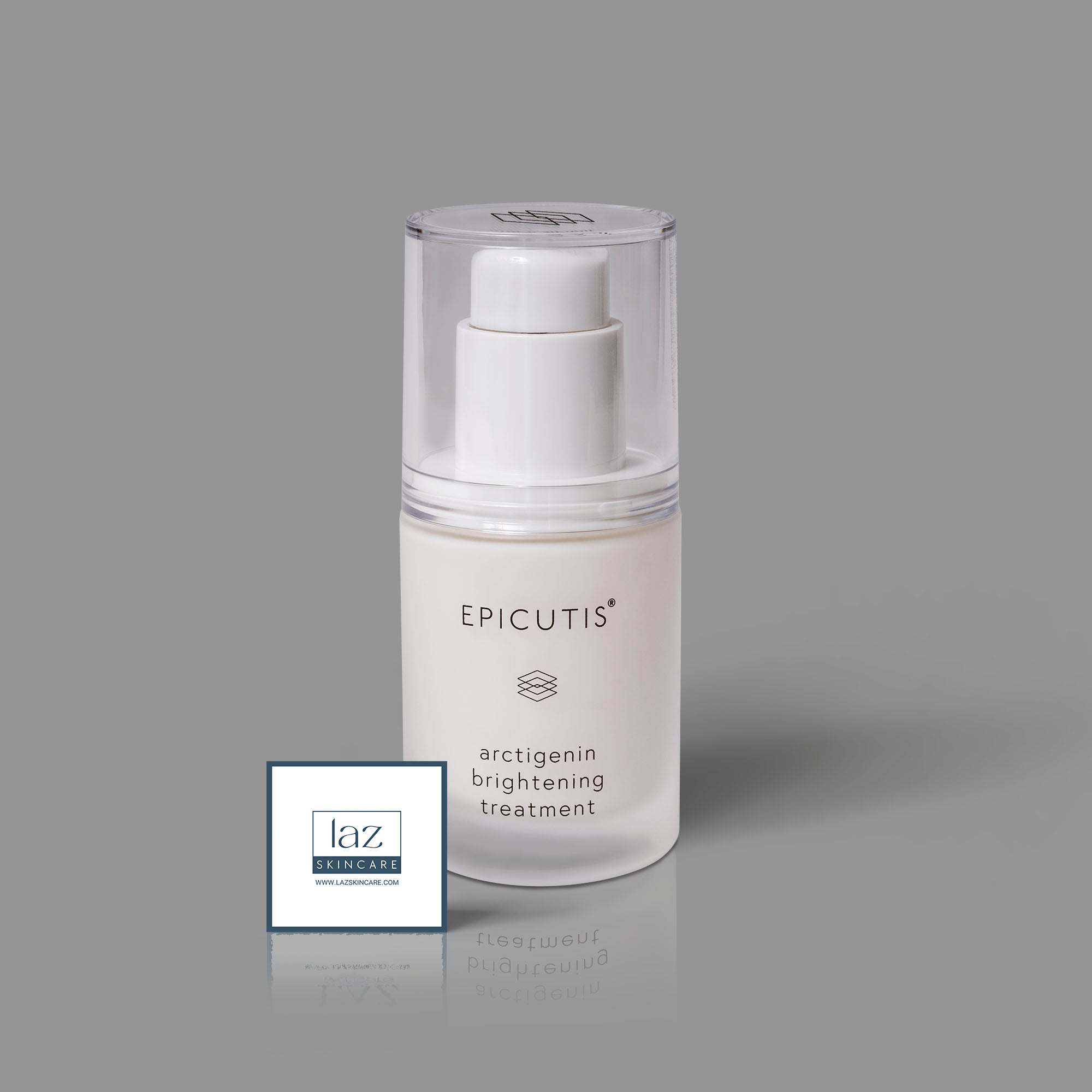
The Epicutis Arctigenin Brightening Treatment, stocked by LAZ Skincare.
Works on pigment by working on the inflammation that produces it.

The short answer

The Epicutis Arctigenin Brightening Treatment works on pigment by working on inflammation. No acid, no retinoid and no vitamin C anywhere in it, which is precisely why melasma-prone skin tolerates it when it rejects almost everything else in the category.

One or two pumps on freshly cleansed skin. You can layer straight over it.

It is slower than a direct pigment inhibitor and it will not clear a patch on its own. What it does is lower the inflammatory signal that keeps producing the pigment, which is the part most melasma routines never address at all.

What actually triggers melasma?

Inflammation, more than anything else. Melasma is not ordinary sun damage with a different shape. It is pigment cells responding to an inflammatory signal, and hormones, heat and light all feed that signal.

The common triggers:

  • Hormonal changes, including those caused by medication, which set the underlying sensitivity.
  • Heat, independently of UV. Hot yoga, saunas, standing over a stove and long hot showers all count.
  • UV and visible light, which is why an ordinary sunscreen is often not enough on its own.
  • Over-exfoliation and harsh actives, which are self-inflicted and extremely common.

That last one is the one worth sitting with. If inflammation drives the pigment, then any treatment that inflames the skin is contributing to the problem while appearing to address it. This is why clients arrive having had peels and lasers, with pigment that came back darker or spread further than where it started.

A calm barrier is a less pigmented barrier. It sounds like a slogan and it is the whole strategy.

The Epicutis Arctigenin Brightening Treatment from the LAZ Skincare range.
One to two pumps on cleansed skin. No waiting before the next product.

What brightens skin without vitamin C?

Ingredients that interrupt the inflammatory cascade before it reaches the pigment cells. It is a slower route and it is the one available to people whose skin flushes at the sight of ascorbic acid. The Epicutis Arctigenin Brightening Treatment is built entirely on it.

Arctigenin, from burdock seed oil is the active. It reduces the inflammatory signalling that triggers melanin production, rather than blocking the enzyme that makes it. Different mechanism, and one that does not disrupt the barrier on the way.

Hyvia, a biotech chia seed oil strengthens the barrier and calms reactivity. On melasma-prone skin this is not a supporting ingredient, it is half the treatment, because resilient skin overproduces less pigment when heat or light hit it.

DSD, an antioxidant-lipid complex targets oxidative stress, which is the other contributor sitting behind melasma alongside inflammation.

Squalane, pine bark extract, tocopherol and ferulic acid round it out with antioxidant cover and lipids. The ferulic acid here is an antioxidant rather than an exfoliant, which is worth saying because the word acid on a melasma product makes people nervous for good reason.

Read the list again for what is missing. No hydroquinone, no retinoid, no exfoliating acid, no ascorbic acid.

Why does aggressive melasma treatment backfire?

Because you are treating an inflammatory condition with a controlled injury. The pigment clears for a few weeks, the inflammation from the treatment sets the cells off again, and the rebound is frequently worse than the starting point.

I have lost count of the clients who arrived after peels or laser with pigment that had come back darker or spread beyond its original borders. That is not a rare outcome and it is not bad luck.

In clinic I use this after microneedling, radiofrequency or a light peel when I am treating melasma, precisely because it does not sting or inflame skin that is already compromised.

Who it does not suit: anyone whose skin tolerates actives well and wants the fastest route, who should be on a direct pigment inhibitor instead. Anyone expecting patches to clear from this alone. And anyone unwilling to wear sunscreen daily and manage heat, for whom no melasma product is worth buying.

Epicutis Arctigenin Brightening Treatment, part of the LAZ Skincare range.
No acid, no retinoid, no vitamin C. That absence is the whole point.

What to do

  1. Stop the harsh exfoliants and daily acids first. On melasma these are usually making things worse rather than slowly working.
  2. Apply one to two pumps of the Epicutis Arctigenin Brightening Treatment to freshly cleansed skin in the morning. There is no waiting time before your next product.
  3. Zinc-based tinted sunscreen over the top, every single morning. Tinted matters because visible light drives melasma and only a tint filters it.
  4. If your skin is reactive or new to actives, start every other morning and build from there.
  5. Once the barrier is genuinely calm, introduce a pigment inhibitor such as arbutin or tranexamic acid. One at a time, slowly, and not before.

Manage heat as deliberately as light. Cooler showers, and reconsider the sauna during an active phase.

Fewer flares within weeks. Tone across months. Melasma is managed rather than cured, and expect it to darken each summer regardless of how well the winter went.

Sources and further reading

Product discussed: Epicutis Arctigenin Brightening Treatment. Stocked because it is used in the clinic. The full ingredient list and current details are on the product page.

Whether your skin needs a direct pigment inhibitor or needs calming first is the decision that determines the next year of your melasma. Book a consultation, in person at the NYC clinic or virtually, and we will make it together.

Last reviewed