Instructional6 min read

The days after a procedure are the ones people improvise, and they are the days that decide the result. Skin is tight, warm and often itchy, and almost everything on your shelf is too much for it.

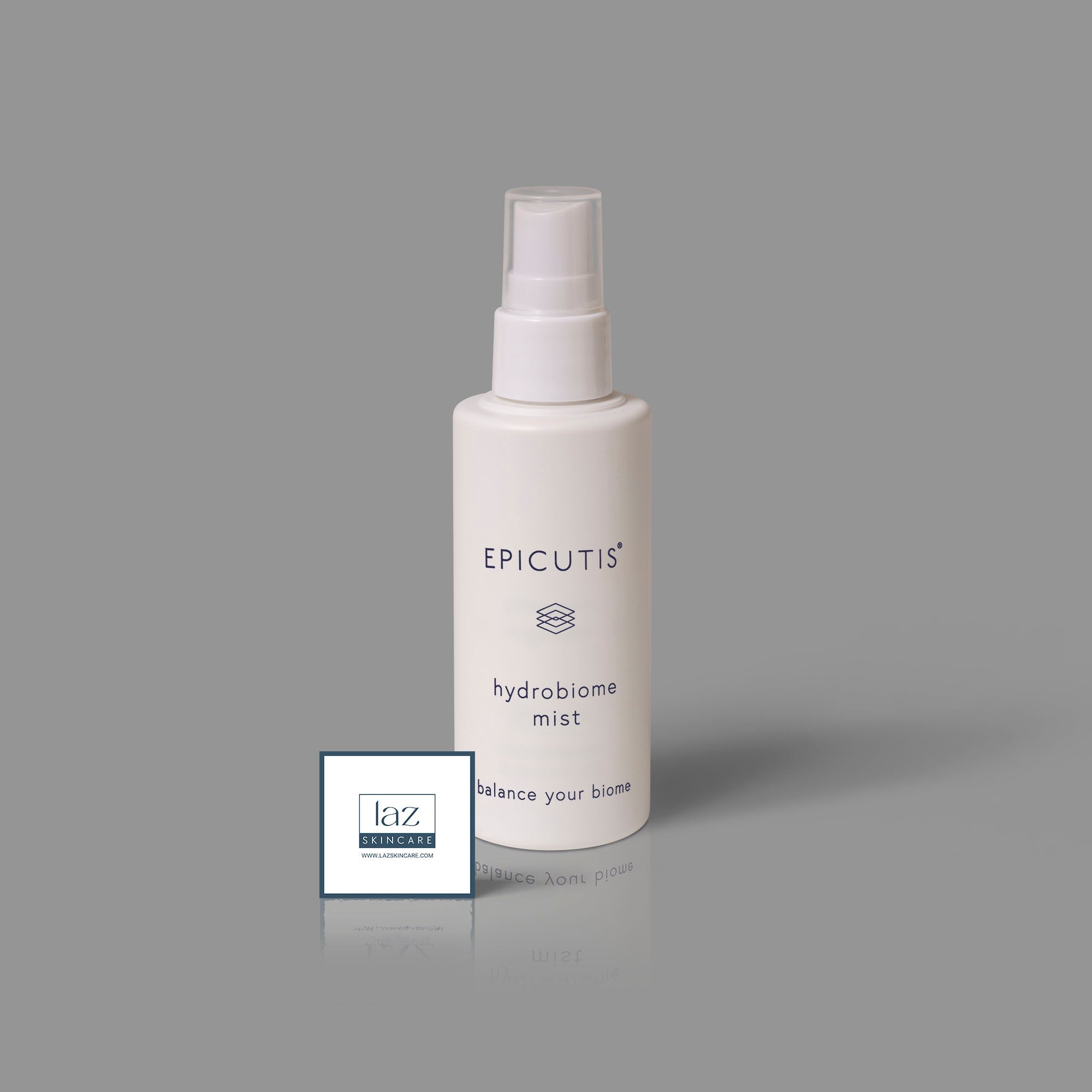
The Epicutis Hydrobiome Mist, stocked by LAZ Skincare.
The one thing you can reapply onto skin too fragile to touch.

The short answer

The Epicutis Hydrobiome Mist is in our recovery kits because of the format as much as the formula. It is the one thing you can reapply every few hours onto skin too fragile to touch, and it delivers microbiome support and antioxidants while it does.

Misted on, every two to four hours in the first days, then morning and night.

Your practitioner's aftercare overrides everything here. And to be accurate about what this is: there are no lipids in it, so it hydrates and calms but does not seal. Something occlusive still has to go over the top once you are cleared for it.

Why does skin feel tight and itchy after a peel?

Because the barrier is deliberately open, water is leaving faster than it can be replaced, and the skin is mid-repair. Every symptom in that window traces back to one of those three.

  • Tightness is water loss. The barrier cannot hold what you apply, so hydration drains within an hour or two of putting it on.
  • Warmth and redness are the inflammatory phase, which is the mechanism doing the work rather than a problem in itself.
  • Itching usually arrives around day three with peels and laser as the surface begins to turn over. Uncomfortable, and normal.
  • Flaking follows, and picking at it is how a good treatment becomes a mark you spend months fading.

There is a fourth thing happening that aftercare sheets rarely mention. A procedure disrupts the bacterial population on the skin surface alongside the barrier, and that population is part of how skin defends and repairs itself. Supporting it is not a wellness flourish, it is part of the healing environment.

The Epicutis Hydrobiome Mist from the LAZ Skincare range.
Every two to four hours while skin feels warm or tight.

What is safe to apply on healing skin?

Very short ingredient lists, nothing exfoliating, nothing fragranced, and nothing that requires you to rub. The Epicutis Hydrobiome Mist runs to twelve ingredients and requires no contact at all, which in the first forty-eight hours matters more than anything in it.

Prebiotics feed the beneficial bacteria on the surface. Keeping that population balanced while the barrier is open supports the healing environment and helps the skin settle faster.

Lactobacillus ferment, a postbiotic is the compound beneficial bacteria produce. It calms inflammation and helps with the tightness and flaking that define days three to five.

Grape seed extract handles oxidative stress, which prolongs healing and lingering redness if left unchecked. It also helps protect collagen and elastin, which is what you paid the procedure to build.

Hinoki wood oil calms and brings antimicrobial support at a point when the skin's own defences are down.

Glycerin, propanediol and pentylene glycol hold water at the surface rather than letting it evaporate straight off.

No fragrance, no alcohol, no acid, no retinoid. On day one that list is the entire reason it is in the kit.

How long does post-procedure discomfort last?

Heat and redness settle over two to three days. Tightness and itching peak around day three and clear by the end of the first week. The collagen work underneath continues for weeks after you look normal again.

Clients who mist consistently through that window heal visibly faster and with more even tone in the following days. One post-microneedling client described it as taking the sting out instantly. A laser client reckoned it cut a day off her downtime. Someone with perioral dermatitis used it through a flare and found the comfort improved markedly.

Most of them keep using it long after they have healed, which tells you something about the format.

Who it does not suit: anyone whose practitioner has specified different aftercare, which happens often and for good reasons. Anyone expecting it to replace a recovery cream, since it has no lipids. And anyone with broken or weeping skin, who needs to speak to whoever treated them rather than apply anything.

Epicutis Hydrobiome Mist, part of the LAZ Skincare range.
A procedure disrupts the microbiome as well as the barrier.

What to do

  1. Straight after treatment, once your practitioner clears you, mist the Epicutis Hydrobiome Mist on as the first layer, over any in-clinic recovery gel.
  2. Reapply every two to four hours while the skin feels warm or tight. No touching, no rubbing.
  3. Days one to five, mist morning and night after a gentle cleanse, then a recovery cream over the top.
  4. Keep it in the fridge if you are dealing with real heat. The cold does genuine work on inflammation.
  5. Keep the routine to four things: gentle cleanser, this, a recovery cream, and sunscreen once cleared. Nothing active for at least a week.

Do not pick at flaking, however tempting. That is the one action that turns a good result into a pigment problem.

Relief on contact. Comfortable by the end of the first week. The result you booked for arrives quietly over the following month or two.

Sources and further reading

Product discussed: Epicutis Hydrobiome Mist. Stocked because it is used in the clinic. The full ingredient list and current details are on the product page.

Recovery goes better when it is planned before the treatment rather than assembled the evening after it. Book a consultation, in person at the NYC clinic or virtually, and we will set the whole window up in advance.

Last reviewed