Correction6 min read

Most face mists are water with marketing attached. A mist that is only water evaporates and takes some of your own moisture with it, which is actively worse than doing nothing. So the question is what else is in it.

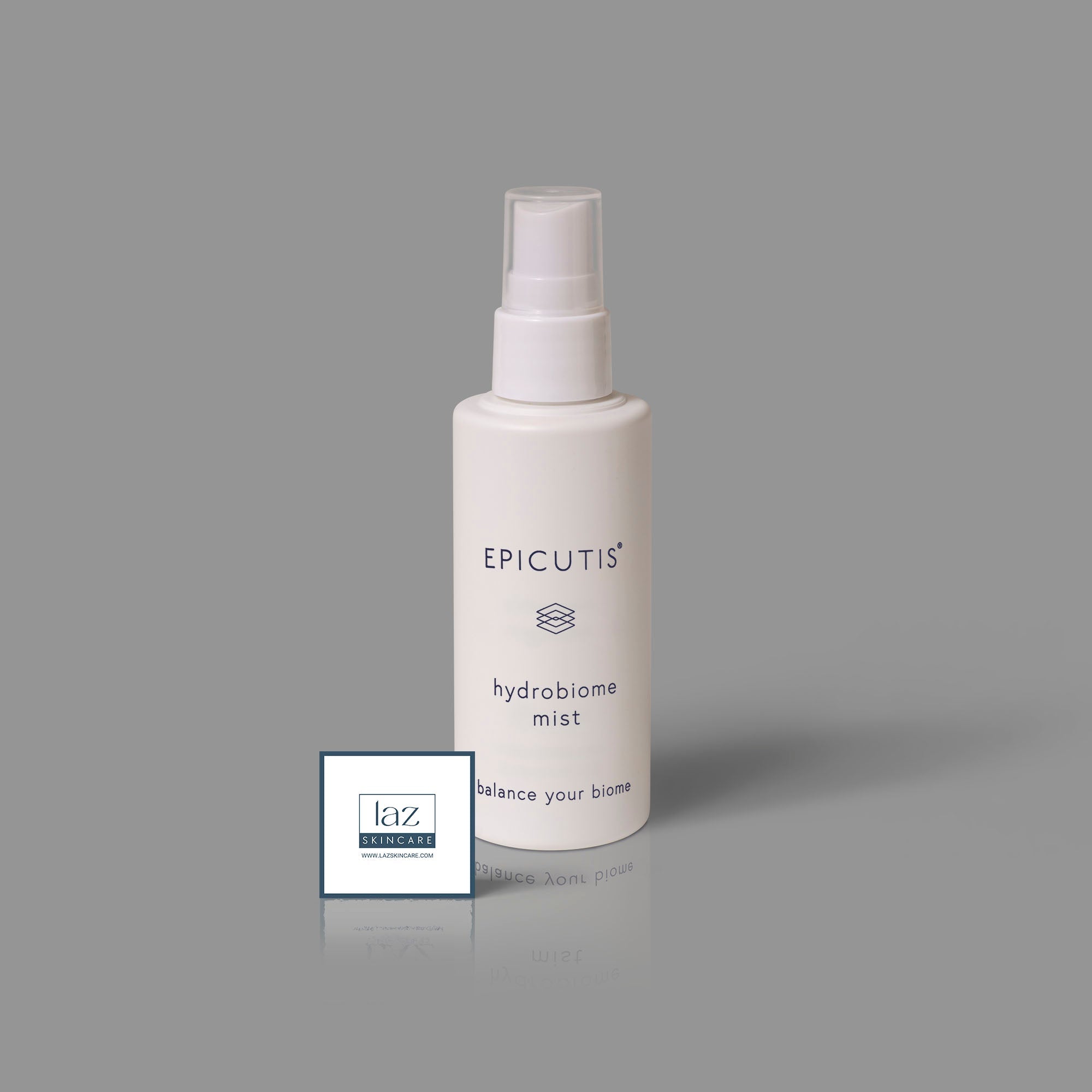
The Epicutis Hydrobiome Mist, stocked by LAZ Skincare.
Worth using because of what it carries, not because it is refreshing.

The short answer

The Epicutis Hydrobiome Mist earns its place because of what it carries rather than because it is refreshing. Prebiotics and a lactobacillus postbiotic for the microbiome, grape seed extract for antioxidant cover, and hinoki for calming.

At least twice daily. On clean skin, between layers, or over makeup.

Here is the limit that matters. There are no lipids in it. A damaged barrier is short of lipids by definition, so this cannot rebuild one on its own and it must go under something that seals. Used alone on a dry face it will help less than you are hoping.

What does a damaged skin barrier feel like?

The barrier is a layer of lipids and cells holding moisture in and irritants out. When it fails, you feel it before you see it.

  • Dryness that persists no matter how much you apply.
  • Redness and blotchiness that has become your baseline.
  • Stinging or burning from products, including ones you used happily last year.
  • Flaking or rough patches, and breakouts arriving despite a sensible routine.

The causes I see most are overuse of acids and retinoids, sun exposure without protection, windburn, and stress. Once it goes, the situation compounds. Inflammation and dehydration feed each other, and acne or rosacea flares ride along on top.

There is a piece most barrier advice leaves out. Your skin surface hosts a bacterial population, and that population is part of the defence system rather than a passenger on it. Strip the barrier and you disturb the microbiome at the same time, which is why barrier repair that ignores it is working with one hand.

The Epicutis Hydrobiome Mist from the LAZ Skincare range.
Mist, then seal. Letting it dry down bare defeats the point.

Do facial mists actually do anything?

It depends entirely on the formula, and most of the category deserves its reputation. Water on the face evaporates, and evaporation pulls moisture from the skin with it, so a plain water mist leaves you slightly worse off. A mist is only worth using if it is delivering something that stays behind. The Epicutis Hydrobiome Mist has a short list and every entry is doing a job.

Prebiotics feed the beneficial bacteria already living on your skin. They keep the microbiome balanced, support pH, and reduce the inflammation that comes with an unbalanced surface.

Lactobacillus ferment, a postbiotic is the byproduct beneficial bacteria produce rather than the bacteria themselves. It calms inflammation, smooths texture and helps regulate sebum, and it is stable in a way live organisms are not.

Grape seed extract is one of my favourites and it is genuinely useful here. Strong antioxidant activity, and it helps protect collagen and elastin from breakdown rather than only mopping up free radicals.

Hinoki wood oil from Japanese cypress calms and offers antimicrobial support without anything astringent involved.

Glycerin, propanediol and pentylene glycol are humectants holding water at the surface, which is what stops the whole thing simply evaporating.

Twelve ingredients. No fragrance, no alcohol, nothing to react to.

When is a mist worth using in a routine?

When you need to add something without adding weight, and when you need to reach the skin repeatedly through the day. Those are the two things a mist does that a cream cannot.

I recommend it most for travel and extreme weather. Cabin air is drier than most deserts and will undo weeks of barrier work on a single long flight, and a mist is the only format you can realistically use mid-journey or over makeup.

It also suits people whose skin stings at everything, because there is almost nothing in it to object to. Sometimes the useful product is the one that lets you do something rather than nothing.

Who it does not suit: anyone expecting a mist to rebuild a barrier alone, since there are no lipids in it. Anyone whose main problem is dryness and flaking, who needs a cream first and this second. And anyone hoping to replace a moisturizer with it, which is the most common way people are disappointed by this category.

Epicutis Hydrobiome Mist, part of the LAZ Skincare range.
Twelve ingredients, no lipids. It goes under something that seals.

What to do

  1. Pull the acids and retinoids out first if your barrier is compromised. No mist keeps pace with continuing damage.
  2. Mist the Epicutis Hydrobiome Mist onto clean skin as your first step, at least twice daily.
  3. Apply your serum and then a barrier cream while the skin is still damp. The cream is not optional here, it is what holds the water the mist just delivered.
  4. Use it again through the day whenever skin feels tight. It works over makeup, which is the practical advantage.
  5. On flights, mist before boarding, mid-flight and on landing.

Do not let it dry down bare. Mist, then seal, every time.

Comfort immediately. Less stinging within a week. A barrier that holds its own hydration takes four to six weeks, and it needs the lipids from the rest of your routine to get there.

Sources and further reading

Product discussed: Epicutis Hydrobiome Mist. Stocked because it is used in the clinic. The full ingredient list and current details are on the product page.

A compromised barrier needs the cause identified before the routine is rebuilt, and the cause is usually something already on your shelf. Book a consultation, in person at the NYC clinic or virtually, and we will find it.

Last reviewed