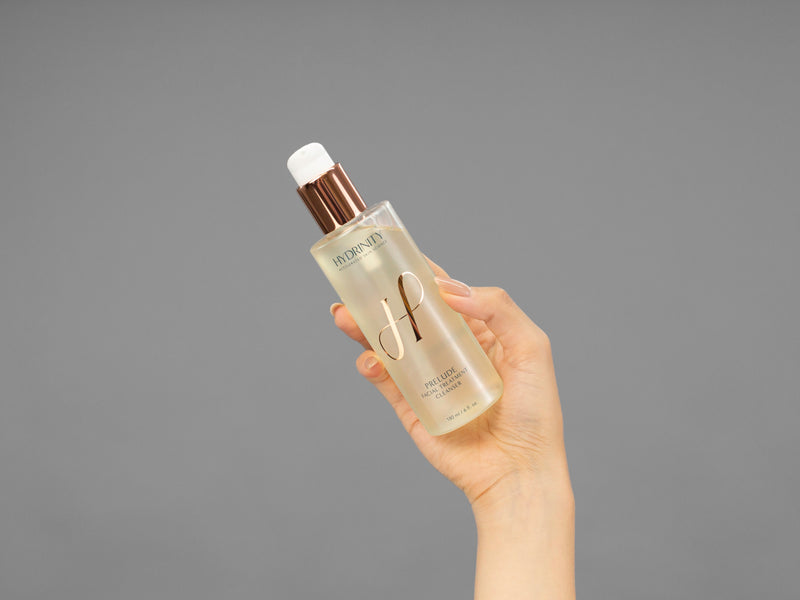
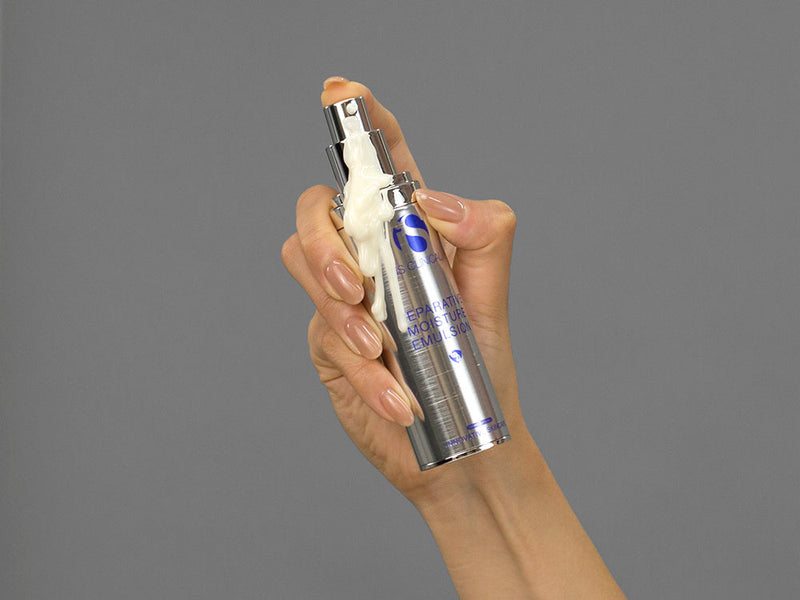
Panthenol is the ingredient that makes skin feel better almost immediately. It is vitamin B5 in a form your skin can absorb, and it hydrates, calms irritation and supplies material for repair all at once. You have almost certainly used it without noticing.
The short answer

What it does


How to use it
Last reviewed
For sensitive, acne-prone, or redness-prone skin, sheer & satin-finish.
A non-stripping gel cleanser that draws out impurities like a magnet, keeping skin hydrated.

A barrier-supporting serum that replenishes the fats in your barrier and hydrates deeply.


Growth factor and peptide serum that firms, smooths, and regenerates.

Smooths, hydrates, and restores the skin’s protective barrier with a lightweight, breathable finish.

A lightweight mist that hydrates, heals stressed skin, and refreshes irritated or post-procedure skin.
Soothing toner that hydrates and calms redness for balanced, radiant skin.

Absorbs instantly, leaves no white cast, and hydrates while it protects.
Foaming cleanser that removes impurities without over-drying. Removes makeup.

Supports repair, improves elasticity, strengthens skin resilience.

Vitamin A eye gel for dryness, puffiness, dark circles and fine lines.

A longevity serum for skin with several signs of aging at once.

Firms skin, restores volume, hydrates deeply, strengthens barrier.

Bisabolol for Calming Redness and Irritation
Bisabolol is the calming compound first found in chamomile, and it quiets the inflammation behind redness, stinging and itch. Here is how it works, who it suits and how to use it.

Allantoin for Rough, Dry and Irritated Skin
Allantoin softens rough, flaky skin and soothes irritation, and the US FDA recognizes it as a skin protectant. Here is how it works, what the research shows and how to use it.

Centella for Redness and Reactive Skin
Centella calms inflammation, helps skin hold on to water and supports repair after irritation. Here is what the research shows, what cica means on a label and how to use it.