When dead cells linger on the surface of your skin, it looks dull and feels rough, even when the rest of your routine is doing its job. If exfoliating acids have not agreed with your skin before, it is easy to stop exfoliating altogether. Gluconolactone gives reactive skin a way to keep exfoliating, and it hydrates as it works.

The short answer

Gluconolactone is a polyhydroxy acid, or PHA. It loosens dead surface cells, draws water into your skin and has antioxidant properties. Skin feels smoother first, then looks brighter and more even, with the full result building over about three months of steady use.

Diagram of skin cell rows with large molecules carrying water droplets into the top rows while loose flakes lift from the surface.
Gluconolactone loosens dead surface cells and pulls water in with it, and its larger size means it moves into your skin slowly.

What it does

Gluconolactone is a polyhydroxy acid, or PHA. It loosens dead surface cells, draws water into your skin and has antioxidant properties. Skin feels smoother first, then looks brighter and more even, with the full result building over about three months of steady use.

Why skin looks dull and feels rough

Your skin sheds its outer cells all the time. New cells form underneath and move up, and the old ones loosen and fall away. When that shedding slows, dead cells linger, sit unevenly and scatter light instead of reflecting it, which is what makes skin look dull. You can feel the same buildup as roughness.

The natural enzymes that loosen old cells need water to work. When your skin is short on water, old cells stay stuck together, often called sticky cells, and do not shed. That is why smoother texture takes hydration and moisturizing as well as exfoliation.

How gluconolactone works

Like other exfoliating acids, gluconolactone loosens the bonds that hold dead cells to the surface of your skin, which helps them shed more evenly. The fresher cells underneath reflect light better, and the surface feels smoother.

Its molecule is larger than glycolic or lactic acid, which means it moves into your skin more slowly. That slower entry is the reason gluconolactone is gentler for reactive skin. It matters for deeper skin tones as well, because deeper skin pigments much easier, and aggressive exfoliation and the dryness that follows can trigger pigmentation.

Gluconolactone is also a humectant, which means it attracts water. It draws water into the surface of your skin while it works, and that water helps sticky cells let go. It binds traces of metals and has antioxidant properties too, meaning it helps neutralize the unstable molecules that sun and pollution create in your skin.

Where gluconolactone comes from

Gluconolactone is made from glucose, a simple sugar. A fungus called Aspergillus niger, or the enzyme it makes, converts glucose into gluconolactone, which becomes gluconic acid in water.

Lactobionic acid is a close relative, made from lactose, the sugar in milk. Its molecule is larger again, it is a strong humectant, and it binds iron, which gives it antioxidant activity. The two are sometimes combined in one formula.

Two panels: light scattering off a bumpy pile of dead cells, and light reflecting evenly off a smooth, hydrated skin surface.
Lingering dead cells scatter light, which reads as dullness. An even surface reflects light back together, which reads as glow.

What the research shows

In a twelve-week trial of 57 people with sun-aged skin, one group used gluconolactone creams and the other used glycolic acid creams. Both groups improved in every sign of sun aging measured, and the glycolic acid group improved a little more in sallowness and firmness. Glycolic acid travels further into the skin, which is why it has the strongest evidence of the acids for firmness and fine lines. For some people, that deeper activity causes irritation, and the slower entry of gluconolactone suits reactive skin. Both are excellent at what they do, and they suit different situations.

In a small study of 16 women, three in-clinic gluconolactone peels increased skin hydration. In a study of 11 people, skin pretreated with gluconolactone for four weeks lost less water after contact with a harsh cleansing ingredient than untreated skin did. Lactobionic acid has one small study: 31 women using an 8 percent cream for twelve weeks had skin graded firmer and smoother.

What to look for on a label

Its place on the list tells you its job

It appears as gluconolactone or glucono-delta-lactone, and the front of a product often calls it a PHA. Near the top of the ingredient list, gluconolactone is there to exfoliate; leave-on products in the studies used four to fifteen percent, and in-clinic peels go higher. Near the end of the list, at a low level, it is usually working as a chelating agent, an ingredient that binds traces of metals in a formula, rather than as an exfoliant.

Where it sits in your routine

Gluconolactone toners and serums go on after cleansing, onto clean, dry skin, and before your moisturizer. If yours is in a moisturizer, that is your moisturizer step. A cleanser does a weaker version of what a leave-on product does, because it is rinsed away within a minute.

What works best with gluconolactone

Hyaluronic acid draws in more water alongside it. Ceramides, cholesterol and fatty acids, the three main fats that hold your barrier together, help your skin keep that water in. If dark marks or breakouts are part of the picture, azelaic acid works on both while gluconolactone smooths the surface.

If you also use a retinoid or another exfoliating acid, the total load is what your skin experiences, and using them on different nights from gluconolactone is easier on your barrier. Sunscreen every morning, reapplied through the day, because sun damage adds to the dullness and roughness you are working on.

Common questions

Will gluconolactone sting?

Usually not, which is one of the main reasons people choose it. Some people feel a brief tingle that settles quickly. Stinging above that, or lingering redness, means you are using it too often or at too high a strength for your skin barrier.

Will it make my skin more sensitive to the sun?

Based on the research available, no. Gluconolactone does not appear to make skin burn more easily, and in laboratory research it reduced some UV damage. It is still not a sunscreen.

Can it help with breakouts?

It can help, and it is not designed to clear breakouts on its own. In an older trial of 150 people with mild to moderate acne, a 14 percent gluconolactone lotion reduced both inflamed breakouts and blackheads and whiteheads. Most gluconolactone products today are made for exfoliation instead, and breakouts do better with an ingredient made for them alongside, such as benzoyl peroxide or mandelic acid.

How soon will I see something?

Skin often feels smoother within two to four weeks, and looks brighter and more even over six to twelve weeks, when the clinical studies measured their results. Around week three, progress can look stalled, which is when many people give up. More time with no changes is usually the better move. Photograph your skin on day one, in the same spot in natural daylight, then every four weeks.

Is gluconolactone safe in pregnancy?

It has not been studied in pregnancy, which is true of almost every skincare ingredient, since they are not tested on pregnant people. It is a gentle exfoliant with no known concern, and glycolic acid, a related exfoliating acid, is commonly used during pregnancy. Most retinoids are avoided. Check with your OB or midwife before starting anything new.

Sugar crystals with an arrow into a laboratory flask holding round fungus cells, and an arrow from the flask to fine white crystals.
Gluconolactone is made from glucose, a simple sugar, which a fungus or the enzyme it makes converts in a controlled process.

How to use it

  • Start every other evening for the first two weeks, then move to daily if your skin is comfortable, or follow what the manufacturer recommends.
  • Apply leave-on gluconolactone to clean, dry skin, before your moisturizer rather than over it.
  • Follow with a moisturizer. Gluconolactone draws water in, and the oils and fats in a moisturizer help stop that water from evaporating.
  • On the nights you use a retinoid or another exfoliating acid, leave gluconolactone out.
  • Broad spectrum SPF 30 or higher every morning, reapplied through the day.
  • Give it about three months of steady use before you decide how well it suits you.
Evidence and sources
  • Green BA, Yu RJ, Van Scott EJ. Clinical and cosmeceutical uses of hydroxyacids. Clinics in Dermatology, 2009;27(5):495-501. Review describing PHAs as gentler, suited to sensitive and rosacea-prone skin, with antioxidant, chelating and moisturizing properties. The authors are linked to the company that developed PHAs. Read the review
  • Edison BL, Green BA, Wildnauer RH, Sigler ML. A polyhydroxy acid skin care regimen provides antiaging effects comparable to an alpha-hydroxyacid regimen. Cutis, 2004;73(2 Suppl):14-17. The 57-person, twelve-week comparison with glycolic acid. Supplement supported by NeoStrata. Read the study
  • Grimes PE, Green BA, Wildnauer RH, Edison BL. The use of polyhydroxy acids (PHAs) in photoaged skin. Cutis, 2004;73(2 Suppl):3-13. Small open studies of gluconolactone products at 4 to 15 percent over twelve weeks. Supplement supported by NeoStrata.
  • JarzΔ…bek-Perz S, Mucha P, Rotsztejn H. Corneometric evaluation of skin moisture after application of 10% and 30% gluconolactone. Skin Research and Technology, 2021;27(5):925-930. The 16-woman split-face hydration study. Read the study
  • Berardesca E, Distante F, Vignoli GP, Oresajo C, Green B. Alpha hydroxyacids modulate stratum corneum barrier function. British Journal of Dermatology, 1997;137(6):934-938. The 11-person barrier study with 8 percent gluconolactone and a sodium lauryl sulfate challenge.
  • Green BA, Edison BL, Sigler ML. Antiaging effects of topical lactobionic acid: results of a controlled usage study. Cosmetic Dermatology, 2008;21(2):76-82. The 31-woman lactobionic acid study; covers its origin from lactose, humectant and iron-binding properties. Funded by NeoStrata. Read the study
  • Bernstein EF, Brown DB, Schwartz MD, Kaidbey K, Ksenzenko SM. The polyhydroxy acid gluconolactone protects against ultraviolet radiation in an in vitro model of cutaneous photoaging. Dermatologic Surgery, 2004;30(2 Pt 1):189-196. The laboratory UV research. Read the study
  • Hunt MJ, Barnetson RS. A comparative study of gluconolactone versus benzoyl peroxide in the treatment of acne. Australasian Journal of Dermatology, 1992;33(3):131-134. The 150-person acne trial. Read the study
  • Ferguson P, Bergfeld WF, Belsito DV, et al. Safety Assessment of Glycolactones as Used in Cosmetics. International Journal of Toxicology, 2026;45(2 Suppl):124S-134S. Cosmetic Ingredient Review panel: gluconolactone is safe as used in cosmetics, and functions as a skin-conditioning and chelating agent. Read the assessment
  • Ramachandran S, Fontanille P, Pandey A, Larroche C. Gluconic acid: properties, applications and microbial production. Food Technology and Biotechnology, 2006;44(2):185-195. How gluconic acid is made from glucose using Aspergillus niger. Read the review
  • Rawlings AV, Harding CR. Moisturization and skin barrier function. Dermatologic Therapy, 2004;17(Suppl 1):43-48. Water and the enzymes that loosen surface cells.

A note on the evidence. Gluconolactone has been studied in people since the early 1990s, but most trials are small and short, and much of the research, including the glycolic acid comparison and the lactobionic acid study, was funded by the company that first developed PHAs for skincare. That does not make the results wrong, and it is worth knowing. The sun findings come from laboratory work, which is why we describe them as based on the research available.

Products with Gluconolactone

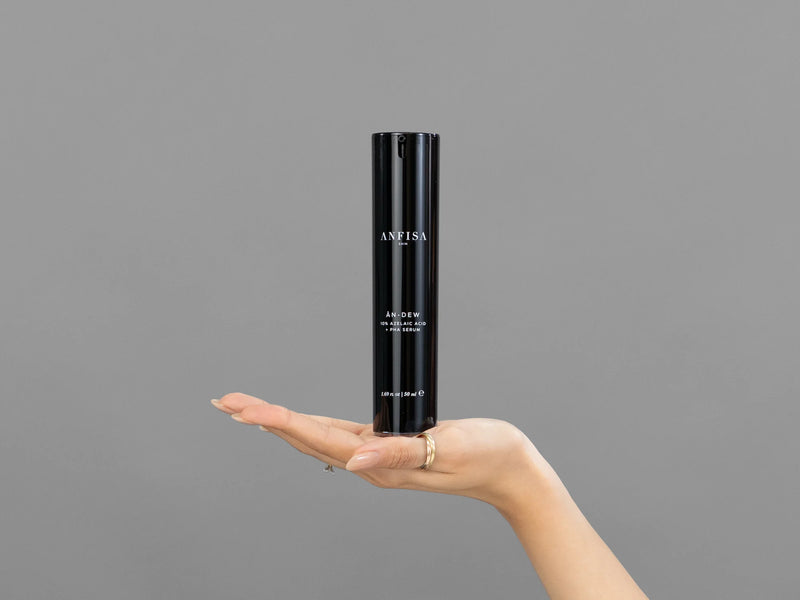
  • Anfisa

    Γ‚N-DEW

    4.9 out of 5.0 stars

    From $125.00

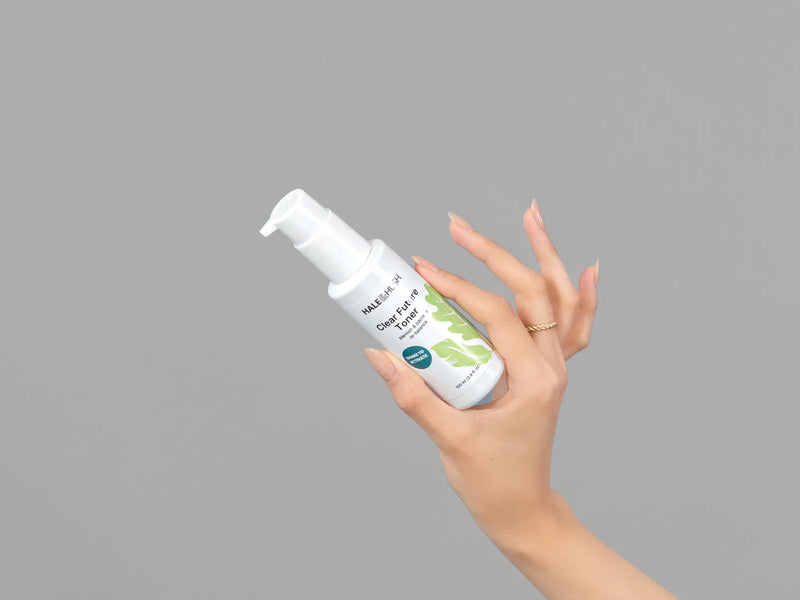
  • Hale & Hush

    From $26.00

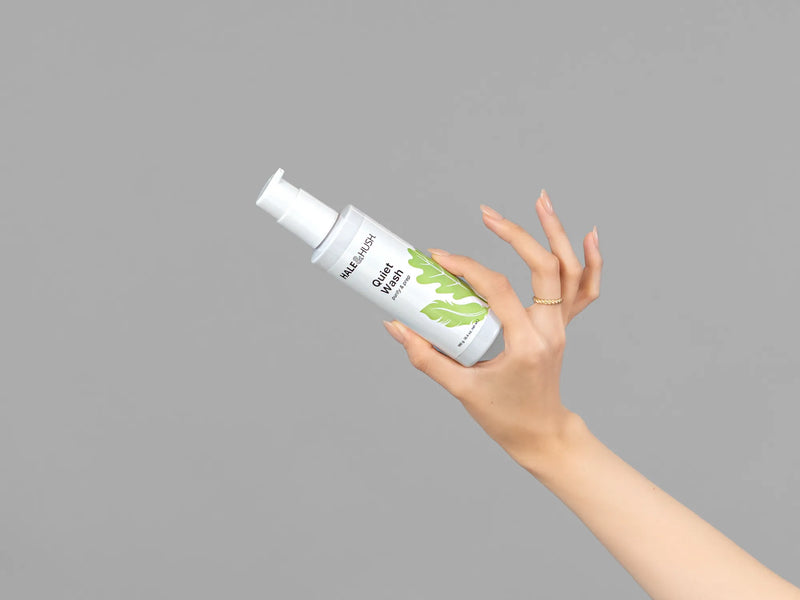
  • Hale & Hush

    $34.00

  • LumiellΓ©

    Glass Skin Liquid Exfoliant

    5.0 out of 5.0 stars

    From $30.00

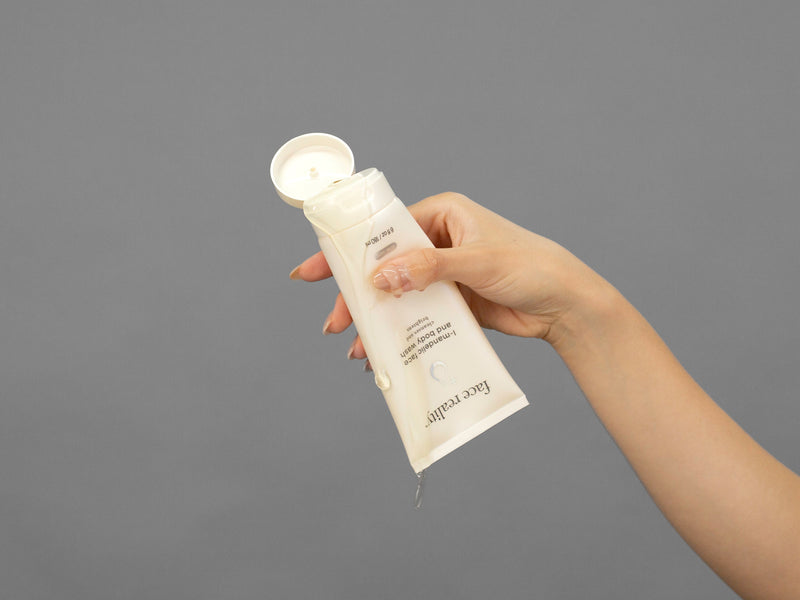
  • Face Reality

    Mandelic Face & Body Wash

    4.9 out of 5.0 stars

    $37.00

  • Face Reality

    Moisture Balance Toner

    4.9 out of 5.0 stars

    From $14.00

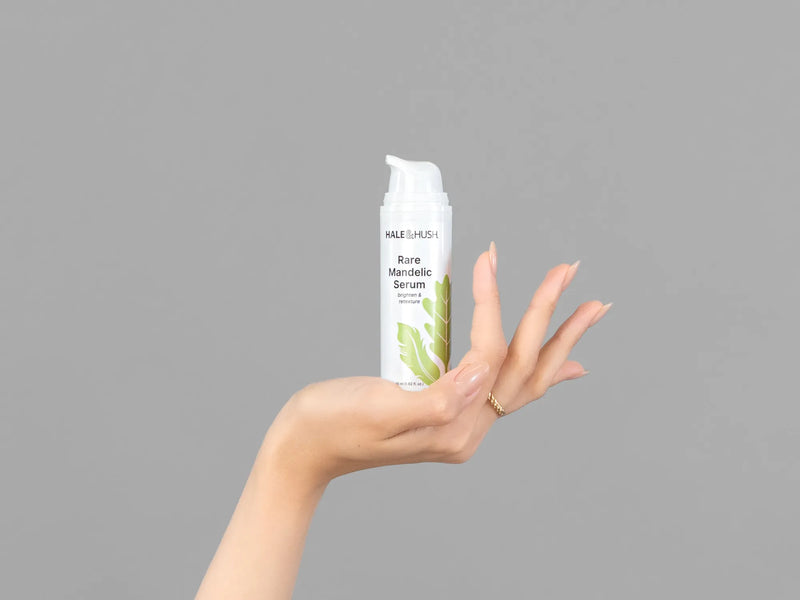
  • Hale & Hush

    From $26.00

  • Hale & Hush

    $52.00

  • Hale & Hush

    $32.00

  • Hale & Hush

    $52.00

More Ingredient Guides

View all

German chamomile flowers beside a slate blue dish holding drops of clear, pale golden oil on a warm stone surface.

Bisabolol for Calming Redness and Irritation

Bisabolol is the calming compound first found in chamomile, and it quiets the inflammation behind redness, stinging and itch. Here is how it works, who it suits and how to use it.

Read moreabout Bisabolol for Calming Redness and Irritation

Fresh comfrey leaves and purple flowers beside a slate blue dish of fine white allantoin powder on a warm stone surface.

Allantoin for Rough, Dry and Irritated Skin

Allantoin softens rough, flaky skin and soothes irritation, and the US FDA recognizes it as a skin protectant. Here is how it works, what the research shows and how to use it.

Read moreabout Allantoin for Rough, Dry and Irritated Skin

Fresh centella sprigs with small round scalloped leaves on a warm stone surface beside a slate blue ceramic dish, against a soft blush backdrop.

Centella for Redness and Reactive Skin

Centella calms inflammation, helps skin hold on to water and supports repair after irritation. Here is what the research shows, what cica means on a label and how to use it.

Read moreabout Centella for Redness and Reactive Skin