If you could only add one ingredient to your routine, niacinamide would be a strong candidate. It calms redness, strengthens the barrier, evens out dark marks, helps with oil and supports collagen, and it does all of that without irritating anyone.
The short answer

What it does


How to use it
Last reviewed

Novel retinal + HA hydrator that firms, smooths, and suits even reactive skin.

Retinaldehyde serum that smooths lines and improves texture, especially if you are new to retinoids.
Exfoliating toner with salicylic acid and vitamin C for clogged pores and brightness.

Protects from UV, evens tone, blurs pores and controls shine.

For sensitive or rosacea-prone skin that needs gentle exfoliation without irritation.

Sheer, untinted mineral sunscreen in a creamy, lightweight lotion.

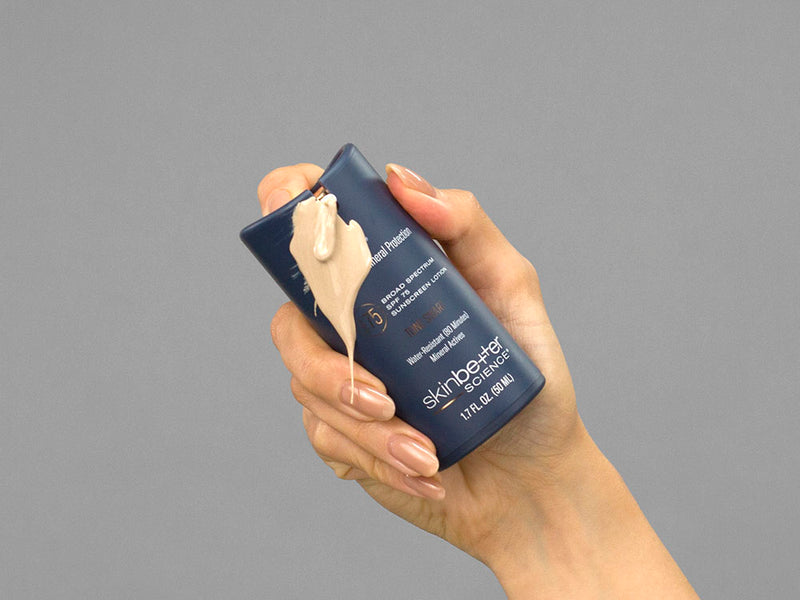
Creamy mineral SPF lotion with tone-adapting color and strong UV defense.

Targets crepiness, sagging, and texture in delicate neck and chest skin.


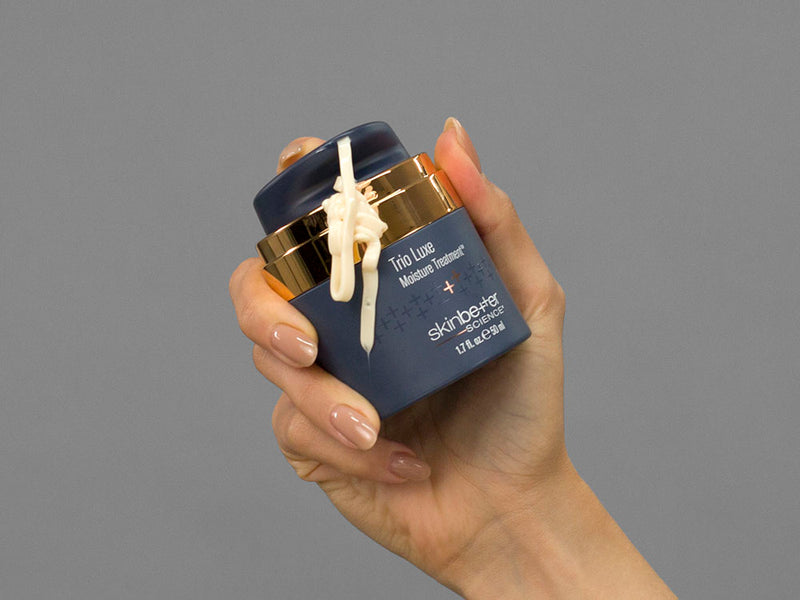
Rich, barrier-supportive cream for severely dry or dehydrated skin.

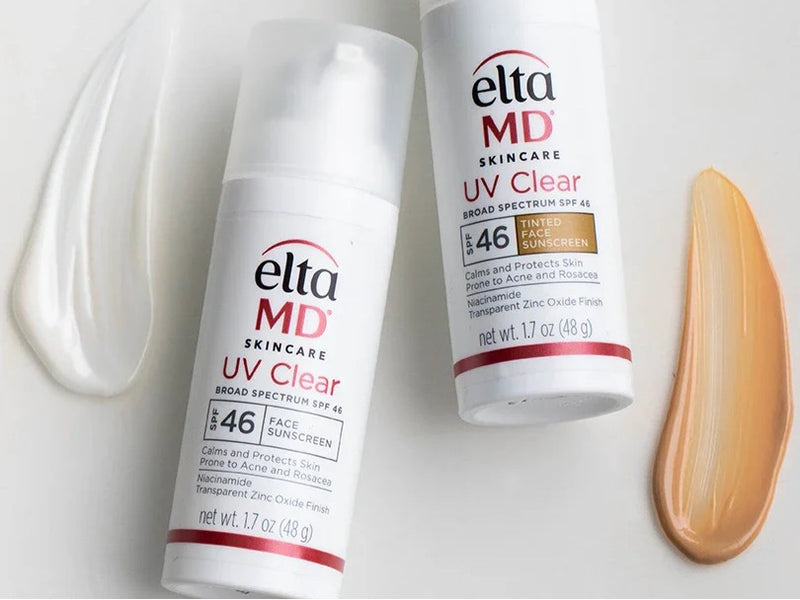
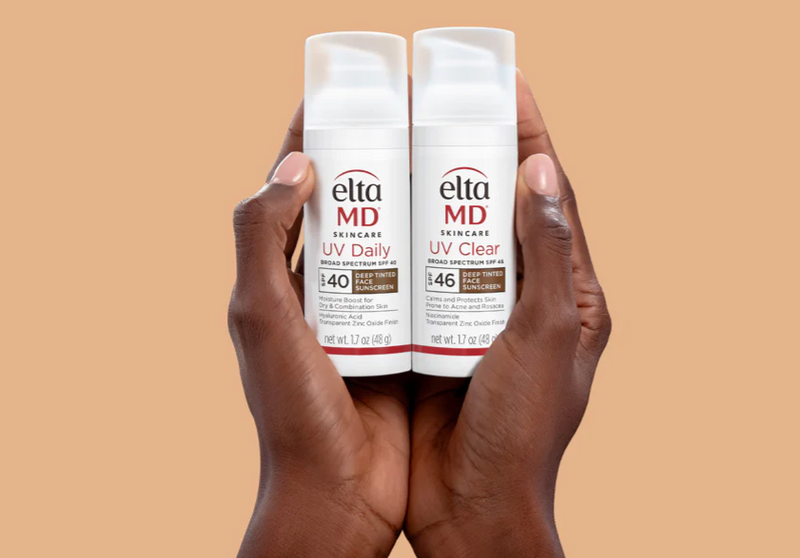
Lightweight, oil-free sunscreen with niacinamide, hyaluronic acid, and lactic acid that calms breakouts and redness.

Bisabolol for Calming Redness and Irritation
Bisabolol is the calming compound first found in chamomile, and it quiets the inflammation behind redness, stinging and itch. Here is how it works, who it suits and how to use it.

Allantoin for Rough, Dry and Irritated Skin
Allantoin softens rough, flaky skin and soothes irritation, and the US FDA recognizes it as a skin protectant. Here is how it works, what the research shows and how to use it.

Centella for Redness and Reactive Skin
Centella calms inflammation, helps skin hold on to water and supports repair after irritation. Here is what the research shows, what cica means on a label and how to use it.