A dark mark from one breakout can take months to fade, and the inflammation around it keeps prompting more pigment while it lasts. Licorice root works on both sides of that problem, slowing the excess pigment behind dark spots and calming the redness and irritation that trigger more of it.

The short answer

Licorice root slows how much excess pigment your skin produces and calms irritated skin, which makes it especially useful when dark marks and redness show up together. Expect redness and stinging to settle first and dark spots to fade gradually after that. It is gentle enough for reactive skin and works alongside other brightening ingredients. Daily use, with sunscreen every morning, is what gives you results.

A pigment cell with a coral enzyme making dark granules, teal glabridin droplets on the enzyme and few granules reaching the surface.
Glabridin slows the enzyme pigment cells use to build melanin, which means less excess pigment reaches the surface.

What it does

Licorice root slows how much excess pigment your skin produces and calms irritated skin, which makes it especially useful when dark marks and redness show up together. Expect redness and stinging to settle first and dark spots to fade gradually after that. It is gentle enough for reactive skin and works alongside other brightening ingredients. Daily use, with sunscreen every morning, is what gives you results.

What a dark spot actually is

Your skin makes pigment, called melanin, as a defense system. Pigment cells sit at the base of the top layer of your skin and pass melanin up to the surface cells around them. Sun, heat, hormones and inflammation all tell pigment cells to make more. When one group of cells keeps producing more than its neighbors, you see a dark spot or a patch of uneven tone, which also makes skin look duller, because light reflects unevenly off it. That extra melanin is what we mean by excess pigment.

Inflammation is one of the root causes of aging skin, and it is why breakouts come up red and sore. Inflammation is also what can make rosacea look flushed. Irritated cells release chemical messengers that widen small blood vessels near the surface, which is the redness you see. Some of the same messengers prompt nearby pigment cells to make more melanin, which is why a breakout can leave a dark mark long after it has healed. Deeper skin pigments much easier, which is why these marks are more common on deeper skin tones. Licorice calms inflammation while it works on excess pigment, which makes it a good option for deeper skin.

How licorice root works

On excess pigment. Pigment cells build melanin with an enzyme called tyrosinase. Glabridin, the main active compound in licorice root extract, slows tyrosinase down, which means the overactive cells make less melanin. In laboratory research it did this without harming the cells. Liquiritin, another licorice compound, helps disperse melanin that has already formed so it sits more evenly instead of piling up in one patch.

On redness and irritation. Dipotassium glycyrrhizate and glycyrrhetinic acid calm the inflammation your skin produces when it is irritated, and glabridin showed anti-inflammatory activity in the laboratory too. For you, that means less redness and stinging, and fewer of the signals that tell pigment cells to make more melanin.

Where licorice root comes from

Licorice is a plant in the pea family. The species used most in skincare, Glycyrrhiza glabra, grows across southern Europe and western Asia, and skincare uses its root. The root holds glabridin and liquiritin, along with glycyrrhizin, the compound that gives licorice its sweet taste.

Dipotassium glycyrrhizate and glycyrrhetinic acid are made from glycyrrhizin. A related species, Glycyrrhiza inflata, supplies licochalcone A, another calming compound.

Two skin cross-sections: inflammation messengers driving a pigment cell to form a dark patch, and a calmer version with even tone.
Inflammation prompts pigment cells to make more melanin. Calming it means fewer signals reach the cells that leave dark marks.

What the research shows

In laboratory research, glabridin slowed melanin production in pigment cells, and on animal skin it reduced the darkening and redness that followed UV exposure.

The studies in people are small. In one, 20 women with melasma used a liquiritin cream on one side of the face and a plain cream on the other for four weeks. Most liquiritin sides responded well, and the plain sides did not. In another, 90 people with melasma used one of three pigment creams for eight weeks, and most of those using liquiritin improved. A systematic review found licorice compounds promising for pigment, while noting the trials are few and short.

On redness, a Glycyrrhiza inflata extract reduced redness after controlled UV exposure in 12 volunteers. In 24 people with mild rosacea, a glycyrrhetinic acid cream reduced redness within ten days, compared with the same cream without it.

What to look for on a label

The names it goes by

Glycyrrhiza Glabra (Licorice) Root Extract and glabridin are there mostly for excess pigment, although the root extract does a little of both jobs. Dipotassium glycyrrhizate, glycyrrhetinic acid and licochalcone A are there mostly to calm redness. Choose by your main concern.

Where it sits in your routine

A licorice serum goes on after cleansing and before your moisturizer. If yours is in a cream, that is your moisturizer step. Cleansers do a weaker version of what serums do, because they are rinsed off, which makes a licorice cleanser a small bonus rather than where your licorice should be coming from.

What works best with licorice root

Licorice compounds do not exfoliate, which means licorice works alongside retinoids and exfoliating acids without adding exfoliation of its own. It pairs especially well with ingredients that reach pigment at a different stage. Glabridin slows how much melanin your pigment cells make, while niacinamide reduces how much of it is passed up to your surface cells. Vitamin C neutralizes the unstable molecules sun creates in your skin and also slows pigment production.

Sunscreen every morning, reapplied through the day. UV is one of the strongest triggers of excess pigment, and licorice does not block it.

Common questions

Will licorice help my melasma?

Yes, it can help as part of a fuller routine, and the two small trials described in What the research shows are a promising start. One hot summer can bring much of your melasma back, even if you wear sunscreen every day, because heat darkens it too. Licorice is gentle enough to use all year, which suits a concern that needs steady care.

Does eating licorice do the same thing?

No. We have not found research showing that eating licorice or drinking licorice tea fades dark spots. The licorice compounds in skincare have to be applied topically to reach the pigment cells in your skin. Large amounts of licorice by mouth can also raise blood pressure, which makes supplements and teas a question for your doctor.

How soon will I see something?

Redness often looks calmer within two to four weeks of daily use. Dark spots usually take eight to twelve weeks to fade visibly, and older marks can take three to six months. Around week four is when many people decide nothing is changing, and that is the time to keep going without changing anything.

Is it safe in pregnancy?

There is no research on topical licorice in pregnancy, which is true of almost every skincare ingredient, because they are not tested on pregnant people. For pigment, azelaic acid and mandelic acid are commonly used in pregnancy, vitamin C and niacinamide are generally considered safe, and most retinoids are avoided. Check with your OB or midwife before starting anything new.

A licorice plant with a long golden root and arrows leading from the root to three small vials in teal, blush and coral.
One root holds several useful compounds. Glabridin and liquiritin work on pigment, and glycyrrhizin is the source of calming ingredients.

How to use it

  • Use licorice once or twice a day, every day. Consistent use is what fades dark spots, and using it only from time to time will not.
  • For a mark from an occasional breakout, applying licorice only to that mark is fine. For frequent breakouts, widespread marks, sun spots or melasma, apply it across the whole area.
  • Introduce one new product at a time, about two weeks apart, which tells you which product is responsible if your skin reacts.
  • Photograph your skin in the same spot, in natural daylight, every four weeks. Gradual fading is easy to miss in the mirror.
  • Broad spectrum SPF 30 or higher every morning, reapplied through the day.
Evidence and sources
  • Yokota T, Nishio H, Kubota Y, Mizoguchi M. The inhibitory effect of glabridin from licorice extracts on melanogenesis and inflammation. Pigment Cell Research, 1998;11(6):355-361. Pigment cell and guinea pig study: glabridin slowed tyrosinase without affecting cell growth, reduced UVB darkening and redness, and showed anti-inflammatory activity. Read the study
  • Amer M, Metwalli M. Topical liquiritin improves melasma. International Journal of Dermatology, 2000;39(4):299-301. Split-face, vehicle-controlled trial in 20 women with epidermal melasma, twice daily for four weeks. Read the study
  • Zubair S, Mujtaba G. Comparison of efficacy of topical 2% liquiritin, topical 4% liquiritin and topical 4% hydroquinone in the management of melasma. Journal of Pakistan Association of Dermatologists, 2009;19(3):158-163. 90 people with melasma, three groups, eight weeks of use. Read the study
  • Hollinger JC, Angra K, Halder RM. Are natural ingredients effective in the management of hyperpigmentation? A systematic review. Journal of Clinical and Aesthetic Dermatology, 2018;11(2):28-37. Summarizes the glabridin and liquiritin research and notes the trials are few and short. Read the review
  • Kolbe L, Immeyer J, et al. Anti-inflammatory efficacy of Licochalcone A: correlation of clinical potency and in vitro effects. Archives of Dermatological Research, 2006;298(1):23-30. Laboratory work plus a vehicle-controlled UV redness test in 12 volunteers using a licochalcone A-rich Glycyrrhiza inflata extract. Read the study
  • Cameli N, Mariano M, Zanniello R, Berardesca E. Clinical and non-invasive instrumental evaluation of the efficacy of a non-steroid anti-inflammatory 18-beta glycyrrhetinic acid cream for the treatment of erythema in rosacea. Dermatologic Therapy, 2020;e14224. 24 people with mild rosacea, cream compared with the same cream without glycyrrhetinic acid. Read the study
  • Cosmetic Ingredient Review Expert Panel. Final report on the safety assessment of glycyrrhetinic acid, potassium glycyrrhetinate, disodium succinoyl glycyrrhetinate, glyceryl glycyrrhetinate, glycyrrhetinyl stearate, stearyl glycyrrhetinate, glycyrrhizic acid, ammonium glycyrrhizate, dipotassium glycyrrhizate, disodium glycyrrhizate, trisodium glycyrrhizate, methyl glycyrrhizate, and potassium glycyrrhizinate. International Journal of Toxicology, 2007;26(Suppl 2):79-112. Safe as used in cosmetics; not irritating, sensitizing or phototoxic at the concentrations used. Read the review
  • National Center for Complementary and Integrative Health (NIH). Licorice Root: Usefulness and Safety. Fact sheet, last updated April 2025. Safety of licorice taken by mouth, including blood pressure. Read the fact sheet

A note on the evidence. The way glabridin slows pigment production is well described in the laboratory. The studies in people are small and short, between 12 and 90 people, and at least one was run by researchers working for a company with an interest in the ingredient. They show what those formulas did, which is a real result and not the same as years of data. The timelines in the Common questions section are general guidance rather than results from a licorice trial.

Products with Licorice Root

  • SkinBetter Science

    A-Team Duo Kit

    5.0 out of 5.0 stars

    $185.00

  • SkinBetter Science

    Alto Advanced Defense and Repair Serum

    4.9 out of 5.0 stars

    From $100.00

  • SkinBetter Science

    Alto Defense Serum

    4.9 out of 5.0 stars

    From $175.00

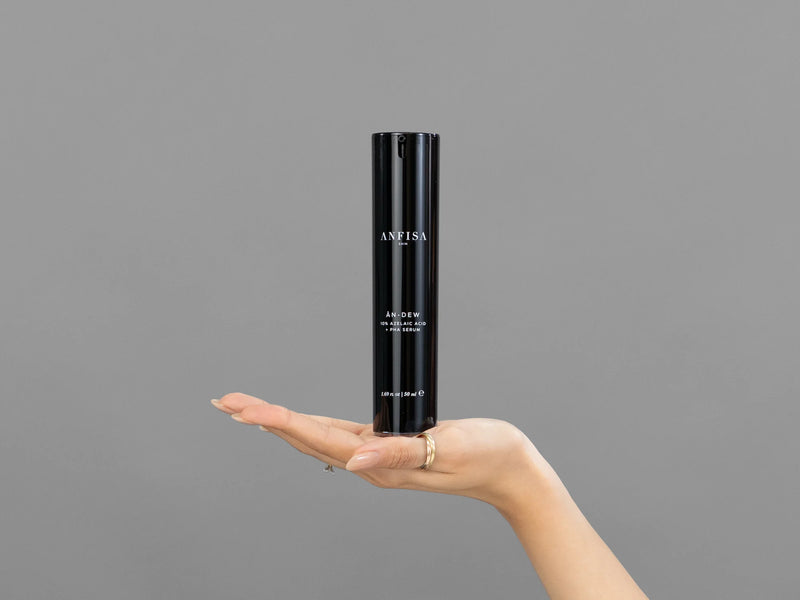
  • Anfisa

    Γ‚N-DEW

    4.9 out of 5.0 stars

    From $125.00

  • Face Reality

    Antioxidant Scrub

    4.9 out of 5.0 stars

    $34.00

  • Hale & Hush

    From $26.00

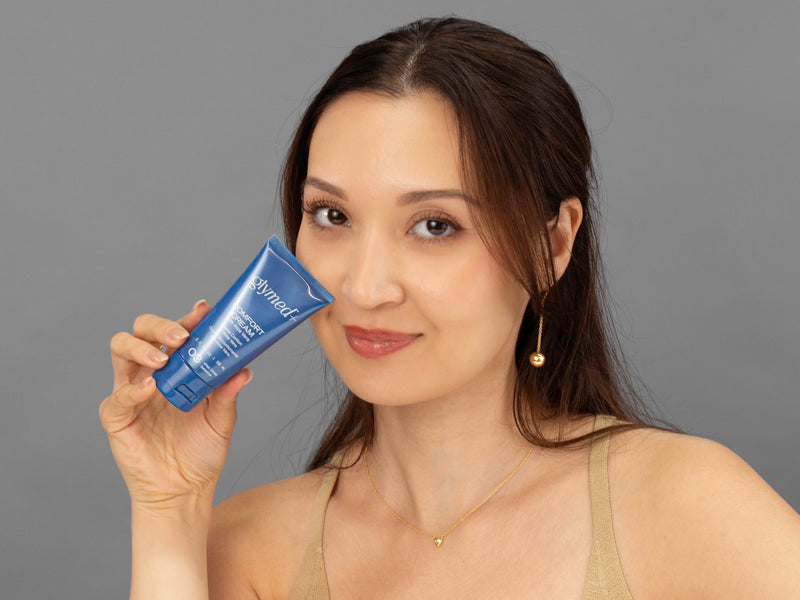
  • GlyMed

    Comfort Cream

    4.9 out of 5.0 stars

    $45.00

  • GlyMed

    Diamond Bright Skin Illuminator

    5.0 out of 5.0 stars

    $82.00

  • Pavise

    Dynamic Age Defense SPF 30

    4.7 out of 5.0 stars

    From $52.00

  • Face Reality

    HydraRemedy Gel Serum

    4.9 out of 5.0 stars

    $46.00

  • SkinBetter Science

    Solo Hydrating Defense MEN

    5.0 out of 5.0 stars

    $180.00

  • Face Reality

    Soothing Radiance Toner

    5.0 out of 5.0 stars

    $32.00

More Ingredient Guides

View all

German chamomile flowers beside a slate blue dish holding drops of clear, pale golden oil on a warm stone surface.

Bisabolol for Calming Redness and Irritation

Bisabolol is the calming compound first found in chamomile, and it quiets the inflammation behind redness, stinging and itch. Here is how it works, who it suits and how to use it.

Read moreabout Bisabolol for Calming Redness and Irritation

Fresh comfrey leaves and purple flowers beside a slate blue dish of fine white allantoin powder on a warm stone surface.

Allantoin for Rough, Dry and Irritated Skin

Allantoin softens rough, flaky skin and soothes irritation, and the US FDA recognizes it as a skin protectant. Here is how it works, what the research shows and how to use it.

Read moreabout Allantoin for Rough, Dry and Irritated Skin

Fresh centella sprigs with small round scalloped leaves on a warm stone surface beside a slate blue ceramic dish, against a soft blush backdrop.

Centella for Redness and Reactive Skin

Centella calms inflammation, helps skin hold on to water and supports repair after irritation. Here is what the research shows, what cica means on a label and how to use it.

Read moreabout Centella for Redness and Reactive Skin