When dry skin runs short of oils and fats on its surface, water escapes faster, and skin starts to feel tight, look rough and flake. Shea butter puts back some of the oils and fats dry skin is missing, and your skin feels softer from the first use.

The short answer

Shea butter is a plant fat that softens dry skin and helps it hold on to its own water. It also carries plant compounds called triterpenes that calmed inflammation in laboratory research. Skin feels softer the same day, and tightness and flaking ease over the following weeks. It suits dry and eczema-prone skin.

Diagram of skin cells holding water droplets, with a thin teal layer on top stopping upward arrows from escaping.
As an occlusive, shea leaves a thin layer of oils and fats on your skin that slows the water inside from evaporating.

What it does

Shea butter is a plant fat that softens dry skin and helps it hold on to its own water. It also carries plant compounds called triterpenes that calmed inflammation in laboratory research. Skin feels softer the same day, and tightness and flaking ease over the following weeks. It suits dry and eczema-prone skin.

Why dry skin feels tight and rough

The top layers of your skin are made of flattened cells, and they are not dead and irrelevant. They signal to the deeper layers to regulate hydration, collagen and cell renewal, which means a healthy barrier is what everything underneath depends on.

Water sits inside and between those cells, and a thin layer of oils and fats on the surface helps stop it from evaporating. Dry skin does not make enough of its own oil, which means it struggles to hold on to water too, and it needs barrier care all year rather than for a few weeks. When that layer runs thin, water escapes faster and the edges of the surface cells lift.

How shea works

Shea butter is almost entirely fat. Stearic acid, which is solid at room temperature, gives shea its thick texture and the film it leaves behind. Oleic acid, which is liquid, helps it soften, spread and fill the rough spaces between your surface cells.

As an emollient, it smooths and softens, which you feel straight away. As an occlusive, its layer of oils and fats slows water evaporating from your skin, which eases tightness and flaking over the following weeks and gives your barrier a better chance to recover.

Shea also contains more triterpenes than most plant oils, including lupeol and the amyrins, and these calmed inflammation in laboratory research. That has not been confirmed in people, which is why we describe shea as a moisturizer first, with calming as a possible extra.

Where shea comes from

Shea comes from the nut of the shea tree, Vitellaria paradoxa, which grows across the African savanna from West Africa to Uganda. The kernels are dried, crushed, roasted and kneaded with water until the fat separates, and that fat is shea butter.

West African shea tends to be firmer and higher in stearic acid, and shea from Uganda softer and higher in oleic acid. The liquid part of shea can be separated out, and that is shea oil, also called shea olein.

Two panels: lifted skin cells losing water droplets, and the same cells lying smooth under a teal layer with water kept inside.
When oils and fats run thin, cell edges lift and water escapes. Shea smooths those edges and helps keep the water in.

What the research shows

The calming findings come from mouse skin and from immune cells grown in a dish, which is a starting point rather than proof of what happens on your face.

The human studies are small and test shea inside a finished formula. In a randomized, double-blind trial of 26 children with mild to moderate eczema, a shea butter and ceramide cream improved eczema scores by a similar amount to 1 percent hydrocortisone cream over eight weeks. Because the cream also contained ceramides, the result belongs to that formula rather than to shea alone. In an open study of 34 children, using products the manufacturer supplied, a cream with a shea extract eased itch for those who liked it, without changing how severe the eczema looked.

What to look for on a label

The names it goes by

Shea butter appears as Butyrospermum Parkii (Shea) Butter, sometimes with the botanical name Vitellaria paradoxa. Shea oil appears as Butyrospermum Parkii (Shea) Oil.

Refined or unrefined

Unrefined shea is ivory to pale yellow, with a nutty smell. Refined shea is filtered, bleached and deodorized, which leaves it white and nearly scentless. Both moisturize. In one laboratory study, refining lowered shea's vitamin E and some of its plant sterols, which means unrefined shea generally keeps more of those smaller compounds.

Butter or oil

Shea butter is thick and suits very dry areas and nighttime. Shea oil is lighter, and in the same study the liquid part of shea kept more of its vitamin E and plant sterols than the solid part did.

Where it sits in your routine

Most shea products are moisturizers or balms, which go on after cleansing and any serums, as your moisturizer step. Pure shea butter or a balm goes on last, at night or over your driest areas.

What works best with shea

Shea pairs well with humectants, ingredients that draw water into your skin, such as hyaluronic acid and glycerin. Humectants bring water in, and shea slows that water from leaving. Ceramides, cholesterol and fatty acids are the three main fats holding your barrier together from within, and shea adds a protective layer on the surface.

On nights you use a retinoid or an exfoliating acid, apply the active first, onto clean skin, then shea, because a fat underneath can stop an active from working properly. Sunscreen every morning, reapplied through the day, since shea is not a sunscreen.

Common questions

Is shea safe if I have a tree nut allergy?

Usually yes, though it is still worth checking with your doctor or allergist first. Shea is a tree nut, but shea butter is almost entirely fat, with only traces of the protein that causes allergic reactions. A Mount Sinai study found no proteins in shea butter that antibodies from people with peanut or tree nut allergies recognized, and no immediate allergic reactions to it have been published. In 2025, the FDA also stopped counting shea nut as a major food allergen.

Whether skin products could sensitize someone has not been studied. Refining removes most of the protein, which is why it is worth asking your allergist about unrefined shea if your allergy is severe.

Will shea butter clog my pores?

Not necessarily. Whether a product clogs pores depends on the whole formula, not on one ingredient in it. Ingredients can make one another more or less likely to clog pores, which is why the pore-clogging rating of a single ingredient cannot be used to judge a finished product. Those ratings come mostly from older animal tests on raw ingredients, and human testing has found that finished products containing them are not necessarily pore-clogging.

How the shea was processed matters too, along with how fresh it is and the quality of the nuts it came from, and some processors still use poor-quality sources. Many well-made formulas that contain shea are non-comedogenic, meaning they do not clog pores. If your skin clogs easily, use a new shea product on its own for four to six weeks to see how your skin responds.

Will it help my eczema?

Yes, with the dryness and barrier weakness that come with eczema. Moisturizing every day, including when your skin looks clear, strengthens the barrier between flares. Shea works alongside whatever your doctor has given you rather than replacing it.

How soon will I see something?

Skin feels softer the same day. Flaking and roughness ease over two to four weeks of daily use as your barrier recovers. Photograph your skin on day one in natural daylight, then every four weeks, because gradual change is easier to see side by side.

Is shea safe in pregnancy?

Generally yes. Shea has no known concern in pregnancy, although like most skincare ingredients, it has not been tested on pregnant people. Check with your OB or midwife before starting anything new.

Sequence showing a shea fruit on a branch, an opened nut with its kernel, and a bowl of shea butter, joined by arrows.
Shea butter is the fat pressed from the kernel inside the shea nut, after it is dried, roasted and kneaded with water.

How to use it

  • Use shea morning and night, every day, from the start.
  • Apply serums and actives first, onto clean skin, and shea last as your moisturizer.
  • Warm a pea-sized amount of pure shea butter between your fingertips, then press it into your skin. Applying it to slightly damp skin is optional and helps it spread.
  • Use a little more on your hands, elbows, knees, heels and lips, which tend to dry out first.
  • Broad spectrum SPF 30 or higher every morning, reapplied through the day.
Evidence and sources
  • Lin TK, Zhong L, Santiago JL. Anti-Inflammatory and Skin Barrier Repair Effects of Topical Application of Some Plant Oils. International Journal of Molecular Sciences, 2018;19(1):70 (published online December 2017). Review of plant oils on the skin, including shea butter and its triterpenes. Read the study
  • Honfo FG, et al. Nutritional Composition of Shea Products and Chemical Properties of Shea Butter: A Review. Critical Reviews in Food Science and Nutrition, 2014;54(5):673-686. Source for shea's fatty acids, its unsaponifiable fraction and triterpenes, and how butters differ between West and East Africa. Read the study
  • Akihisa T, Kojima N, Kikuchi T, et al. Anti-Inflammatory and Chemopreventive Effects of Triterpene Cinnamates and Acetates from Shea Fat. Journal of Oleo Science, 2010;59(6):273-280. The mouse skin inflammation research described here. Read the study
  • Verma N, Chakrabarti R, Das RH, Gautam HK. Anti-Inflammatory Effects of Shea Butter through Inhibition of iNOS, COX-2, and Cytokines via the NF-kB Pathway in LPS-Activated J774 Macrophage Cells. Journal of Complementary and Integrative Medicine, 2012;9: Article 4. The cell study described here. Read the study
  • Sivapiromrat P, Komnamun N, Udomphetaiyakul M. The Comparative Efficacy Between Shea Butter-Ceramide Cream and 1% Hydrocortisone Cream in Childhood Atopic Dermatitis. Journal of the Medical Association of Thailand, 2021;104(7):1172-1178. The randomized, double-blind, split-body trial in 26 children. Read the study
  • Hon KL, Tsang YC, Pong NH, et al. Patient acceptability, efficacy, and skin biophysiology of a cream and cleanser containing lipid complex with shea butter extract versus a ceramide product for eczema. Hong Kong Medical Journal, 2015;21(5):417-425. The open study in 34 children; products supplied by the manufacturer. Read the study
  • Abdel-Razek AG, et al. Effect of Refining and Fractionation Processes on Minor Components, Fatty Acids, Antioxidant and Antimicrobial Activities of Shea Butter. Foods, 2023;12(8):1626. The laboratory study on refined shea and its solid and liquid parts. Read the study
  • Chawla KK, Bencharitiwong R, Ayuso R, Grishina G, Nowak-Wegrzyn A. Shea butter contains no IgE-binding soluble proteins. Journal of Allergy and Clinical Immunology, 2011;127(3):680-682. The Mount Sinai allergy study.
  • US Food and Drug Administration. Questions and Answers Regarding Food Allergens, Including the Food Allergen Labeling Requirements of the Federal Food, Drug, and Cosmetic Act (Edition 5). Final guidance, January 2025. Removes shea nut from the tree nut list for allergen labeling. Read the guidance
  • Draelos ZD, DiNardo JC. A re-evaluation of the comedogenicity concept. Journal of the American Academy of Dermatology, 2006;54(3):507-512. Human testing of finished products; supported by a company one author is affiliated with. Read the study

A note on the evidence. Shea's moisturizing effect rests on well-understood chemistry: it is mostly stearic and oleic acid, fats that soften skin and slow water loss. Its calming compounds have been studied in mice and in cells, not yet in people. The eczema studies are small: one tested shea with ceramides, and the other used products the manufacturer donated. The allergy research is reassuring and limited.

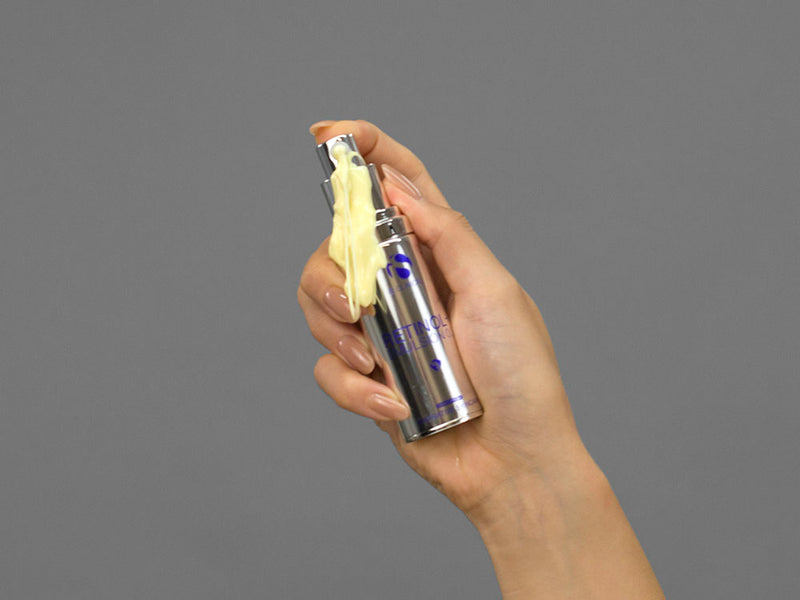
Products with Shea

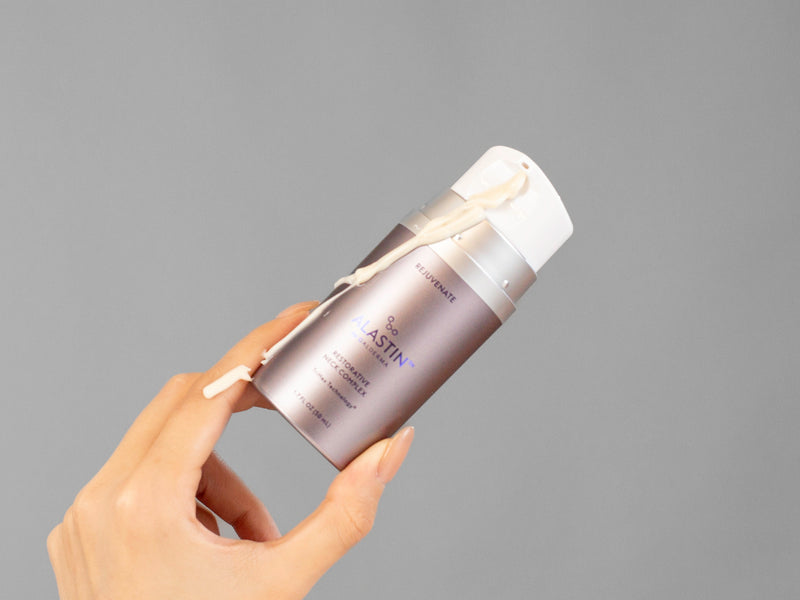
  • Alastin

    Restorative Neck Complex

    5.0 out of 5.0 stars

    $158.00

  • Alastin

    Restorative Skin Complex

    5.0 out of 5.0 stars

    $248.00

  • Marini SkinSolutions

    $110.00

  • iS Clinical

    $117.00

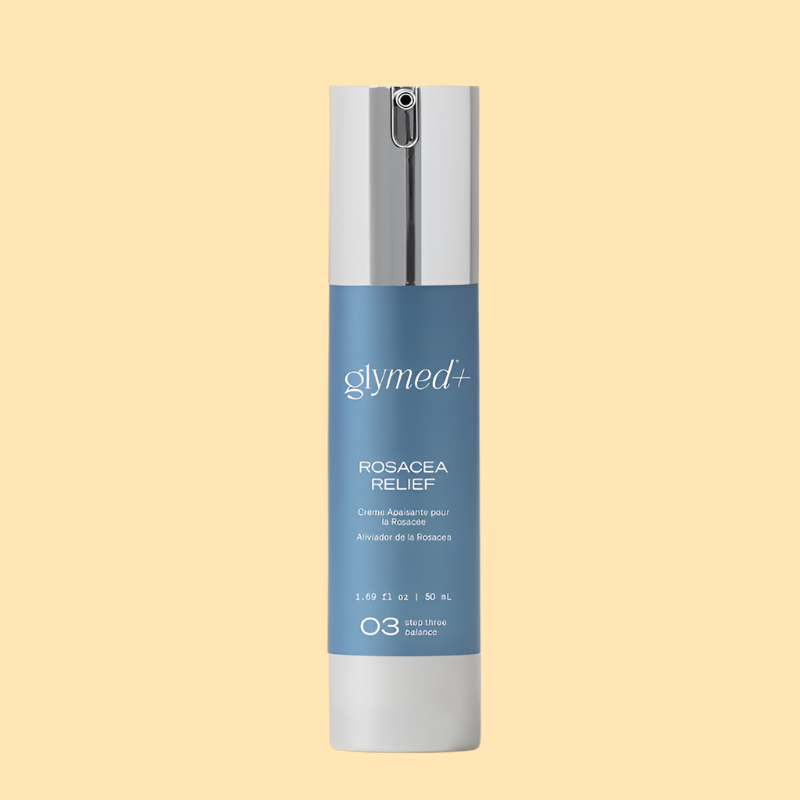
  • GlyMed

    Rosacea Relief

    4.0 out of 5.0 stars

    $59.00

  • Hale & Hush

    $52.00

  • Alastin

    TransFORM Body Treatment

    5.0 out of 5.0 stars

    From $110.00

  • Hale & Hush

    $52.00

  • GlyMed

    $90.00

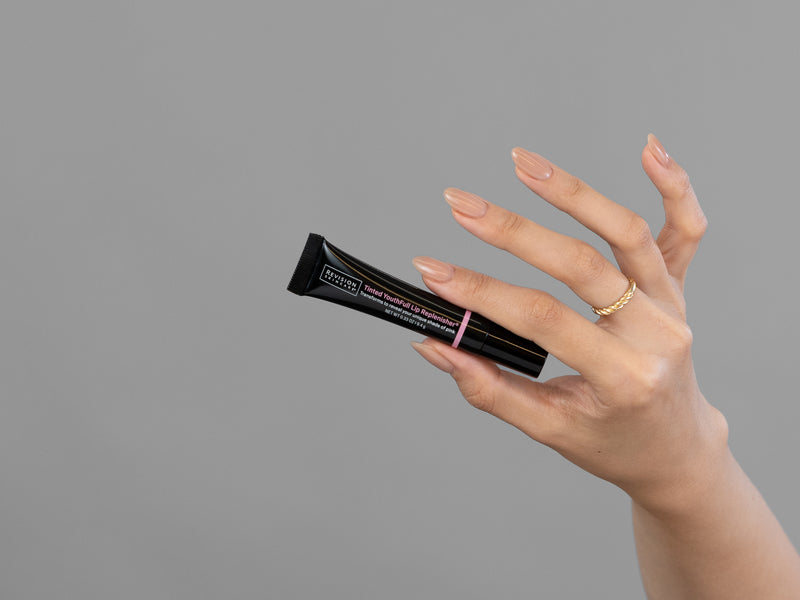
  • Revision

    Youthfull Lip Replenisher

    5.0 out of 5.0 stars

    From $44.50

More Ingredient Guides

View all

German chamomile flowers beside a slate blue dish holding drops of clear, pale golden oil on a warm stone surface.

Bisabolol for Calming Redness and Irritation

Bisabolol is the calming compound first found in chamomile, and it quiets the inflammation behind redness, stinging and itch. Here is how it works, who it suits and how to use it.

Read moreabout Bisabolol for Calming Redness and Irritation

Fresh comfrey leaves and purple flowers beside a slate blue dish of fine white allantoin powder on a warm stone surface.

Allantoin for Rough, Dry and Irritated Skin

Allantoin softens rough, flaky skin and soothes irritation, and the US FDA recognizes it as a skin protectant. Here is how it works, what the research shows and how to use it.

Read moreabout Allantoin for Rough, Dry and Irritated Skin

Fresh centella sprigs with small round scalloped leaves on a warm stone surface beside a slate blue ceramic dish, against a soft blush backdrop.

Centella for Redness and Reactive Skin

Centella calms inflammation, helps skin hold on to water and supports repair after irritation. Here is what the research shows, what cica means on a label and how to use it.

Read moreabout Centella for Redness and Reactive Skin