

Skin that is short on water feels tight, looks dull and flakes, and oil on its own cannot put that water back. Glycerin can. It is in almost every moisturizer you have used, and it is one of the most studied ingredients in skincare.
The short answer
Glycerin is a humectant, which means it attracts water and holds on to it. Applied topically, it pulls water into the outer layer of your skin, helps a damaged barrier recover faster, and helps old surface cells shed evenly instead of building up into rough patches. Skin feels softer the same day. It suits every skin type and works best inside a moisturizer that also contains oils and fats.

What it does
Glycerin is a humectant, which means it attracts water and holds on to it. Applied topically, it pulls water into the outer layer of your skin, helps a damaged barrier recover faster, and helps old surface cells shed evenly instead of building up into rough patches. Skin feels softer the same day. It suits every skin type and works best inside a moisturizer that also contains oils and fats.
Most people assume the top layers of skin are dead and irrelevant. The outermost layer actually signals to the deeper layers to regulate hydration, collagen and cell renewal, and it decides how much water your skin keeps.
Two things hold water in that layer: water-attracting substances inside your cells, including glycerin your skin makes itself, and a thin layer of oils and fats on the surface that helps stop water from evaporating. When either runs low, water leaves faster than it is replaced, and skin feels tight and starts to flake.
Dry and dehydrated skin are not an either/or. Dehydrated skin is short on water. Dry skin makes too little oil, and without enough oils and fats it struggles to hold water too.
Moisturizers work through three kinds of ingredients. Humectants attract water and hold it, as glycerin, hyaluronic acid and panthenol do. Emollients are oils and fats that fill the gaps between your surface cells, which makes skin feel soft and smooth, as squalane and ceramides do. Occlusives, such as petrolatum, form a thin film over the surface that slows evaporation.
A humectant brings water in. Without oils and fats over it, more of that water can evaporate again, which is why glycerin is almost always formulated alongside emollients and occlusives.
Glycerin is a very small molecule that moves into the outer layer of your skin and binds water there. Your oil glands break down fats into glycerin, and channels in your skin cells called aquaporin-3 carry glycerin and water through the upper layers. In mice that lacked those channels, skin held about half as much water and repaired its barrier more slowly, and glycerin applied topically corrected both.
Beyond holding water, glycerin helps a damaged barrier recover faster. It helps the natural enzymes that loosen old surface cells do their work, which means cells shed evenly instead of piling up into rough texture. In dry conditions it also keeps the fats between your surface cells flexible, where they would otherwise stiffen and let water escape.
The result is skin that feels softer, looks smoother and copes better with the rest of your routine, because an intact barrier keeps irritants out as well as water in.
Glycerin is part of the structure of every fat and oil, from plants and from animals. When those fats are split apart, during soap making or biodiesel production, glycerin is released and then purified. It can also be made in a lab from starting materials derived from propylene.
The source does not change the molecule. Purified glycerin from a plant oil, an animal fat or a lab is the same substance, and the US Cosmetic Ingredient Review panel has assessed it as safe as used in cosmetics. Plant-derived on a label describes sourcing, not how glycerin works on your skin.

Glycerin has decades of research behind it, gathered in a 2008 review in the British Journal of Dermatology. In a placebo-controlled, double-blind trial in people with atopic eczema, a 20 percent glycerin cream raised skin hydration within one week compared with the same cream without glycerin, and hydration stayed higher for two weeks after people stopped. A larger trial of 197 people found the same strength well tolerated over a month, and dryness improved in every group, including the cream without glycerin, which shows the whole moisturizer matters.
In healthy volunteers, skin with glycerin recovered faster after researchers disrupted a small patch of the barrier on purpose. The aquaporin-3 work comes from mice, and early findings on wound healing still need confirming in people.
The amount of glycerin changes how much it hydrates. In studies, raising it from 5 to 10 percent improved hydration, and on very dry lower legs the benefit peaked at around 20 to 40 percent. At higher levels glycerin can feel sticky, which is why a face product balances hydration against how it feels.
Brands rarely print the percentage. Ingredient lists run from the largest amount to the smallest, which means glycerin near the top is there in a good amount. Glycerin, glycerol and glycerine are the same ingredient. Glyceryl stearate is a different substance made from glycerin, with a different job.
Most glycerin comes in a moisturizer, which means it goes on at your moisturizer step. If yours is in a serum or a toner, apply it after cleansing and follow with a moisturizer that contains oils and fats.
Glycerin does not interact with other ingredients, which is why it works alongside everything in your routine. It pairs well with ceramides, cholesterol and fatty acids, the three main fats that hold your barrier together, because they rebuild the gaps between your surface cells while glycerin brings water in. Sunscreen every morning, reapplied through the day, protects that barrier.
Not when it is in a well-made moisturizer. Glycerin attracts water from wherever there is more of it. In very dry air, pure, undiluted glycerin can draw water out of the outer layer of your skin.
In a moisturizer, glycerin is diluted and formulated with oils and fats that slow evaporation, which keeps the water where your skin needs it. In dry conditions it also keeps your skin's surface fats flexible, which helps your barrier hold water in a separate way.
Both, and many moisturizers use the two together. Glycerin is a very small molecule your skin also makes itself, with research behind it for barrier recovery as well as hydration. Hyaluronic acid holds water at the surface and gives skin a plumper look. Both are excellent at what they do.
Your skin feels softer the same day, and in the eczema trial hydration measured higher within one week. Give it about four weeks of daily use for dryness and roughness to settle, and photograph your skin on day one, in the same spot in natural daylight, to compare.
Yes. Glycerin is generally considered safe, and it is a substance your own body makes. Skincare ingredients are almost never tested on pregnant people, which is why we suggest checking with your OB or midwife before starting anything new.

How to use it
A note on the evidence. Glycerin's effect on hydration and barrier recovery has been measured in people, including placebo-controlled trials in eczema-prone skin, though those trials are small to moderate in size and used a 20 percent cream. The aquaporin-3 findings come from mice and the work on skin fats in dry conditions from laboratory models, which is why we describe those as how glycerin is understood to work.

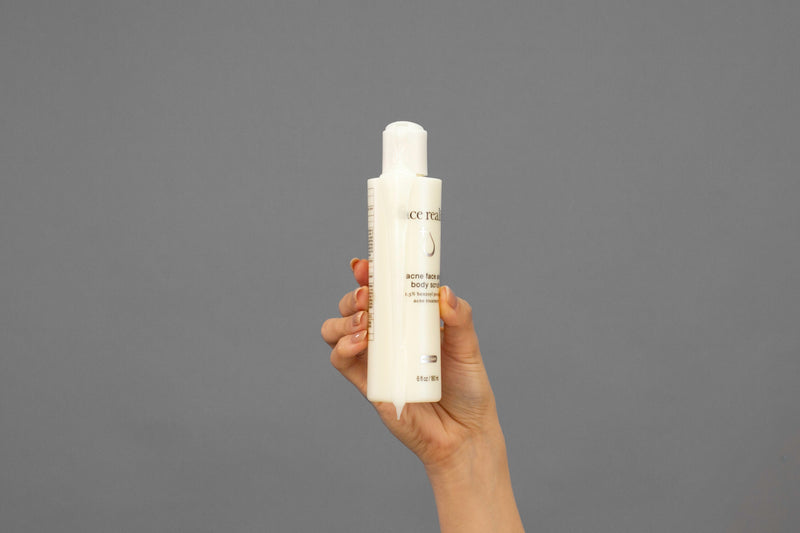


Benzoyl peroxide scrub with eco-beads that clears face and body pores, especially for non-inflamed acne.
If you have clogged pores and blackheads that aren’t inflamed, and your skin is combination or oily, I recommend the Face Reality Acne Face & Body Scrub. It’s a great way to keep pores clear and maintain results.
Face Reality Acne Face and Body Scrub is a dual-action physical exfoliant formulated for acne-prone skin. It gently buffs away pore-clogging buildup on the face, chest, and back while supporting clear, smooth skin, helping you get ahead of congestion without causing irritation. Massage a small amount into damp skin with a light lather, without rubbing hard.
This formula pairs hydrating ingredients with non-abrasive natural cellulose beads, which keeps exfoliation gentle on your skin barrier. It is free of pore-clogging oils and sulfates, making it safe to use a few times per week on acne-prone or sensitive skin. It suits oily and combination skin especially well.
This is not just a face wash; it is an active acne step. With benzoyl peroxide, it kills acne-causing bacteria and unclogs pores. Glycerin maintains hydration while biodegradable cellulose beads provide gentle exfoliation, smoothing texture and helping other actives work more effectively. It is especially helpful for clogged pores and blackheads that are not inflamed.
Trusted by Face Reality Acne Experts, this scrub works well on chest and back acne. It is powerful enough to target keratin plugs and breakouts on tougher body areas, yet gentle enough for careful use on the face when appropriate. After massaging it in, rinse with tepid water, pat dry, and finish with your eye cream, serum, and moisturizer.


Benzoyl Peroxide wash that unclogs pores and targets inflamed acne on the face and body.
The Acne Face & Body Wash is my go-to when inflamed acne needs something stronger, especially for combination and oily skin. With 2.5% benzoyl peroxide, it helps clear breakouts and keep pores clean without being overly harsh. I always suggest easing it in slowly, a few times a week at first, and then working up to daily use if your skin needs it. It’s a great next step when gentler cleansers aren’t enough.
Face Reality Acne Face and Body Wash is a medicated gel cleanser formulated with 2.5% benzoyl peroxide to treat acne on the face, chest, and back. It targets acne-causing bacteria and helps prevent new breakouts while gently cleansing skin as the ideal first step in any routine.
This multi-use wash simplifies your routine with one product that is strong enough for body acne and gentle enough for facial skin. The 2.5% concentration of benzoyl peroxide is highly effective and stays comfortable, especially when paired with non-comedogenic moisturizers and barrier support. Benzoyl peroxide targets acne-causing bacteria and helps unclog pores.
This gel cleanser is formulated to deliver benzoyl peroxide while leaving skin feeling balanced rather than tight or overly dry. It delivers breakout-fighting power while helping to keep the skin comfortable, making it easier to use consistently without irritation. Massage a small amount into damp skin, then rinse with tepid water and pat dry.
This product is a staple in the Face Reality Acne Bootcamp system and is widely recommended by certified Acne Experts. Its versatility makes it perfect for clients with combination acne patterns, including those struggling with body breakouts or maskne. Acne Experts often suggest starting a few times a week, then working up to daily use if your skin needs it.

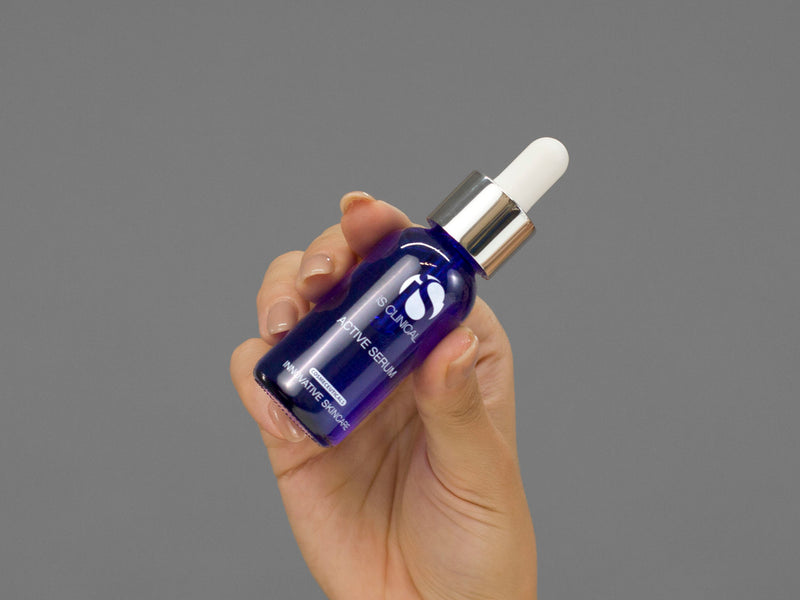


Evens skin tone, reduces blemishes, and softens fine lines for aging or breakout-prone skin.
If you’re dealing with any type of acne, pigmentation, or early signs of aging, iS Clinical Active Serum is a game-changer. It delivers visible results without leaving the skin dry or irritated. My clients love how smooth, bright, and balanced their skin feels; I always recommend using it first before layering other products.
Active Serum is a botanical serum that delivers both immediate and long-term benefits. It visibly reduces fine lines and wrinkles, improves dull tone, and clarifies blemishes with a distinctive cooling sensation. It delivers visible results without leaving the skin dry or irritated. Lactic acid and sugarcane gently exfoliate the surface, while kojic acid helps fade dark spots and uneven tone.
With consistent use, Active Serum helps minimize pore appearance while smoothing and softening skin texture. It combines rapid results with sustained improvement, helping maintain a deeply hydrated, refined complexion that looks and feels consistently healthier with ongoing use. It also helps with both inflamed and non-inflamed breakouts, so one serum can address texture, pores, and blemishes together.
Despite its high efficacy, this serum is suitable for all ages and skin types, including sensitive or blemish-prone complexions. It leaves skin visibly moist, smooth, and rejuvenated after every single use. The formula is fragrance-free, oil-free, non-comedogenic, and vegan, and a slight tingle on application is expected and settles quickly.
Active Serum delivers visible results within days while producing lasting improvements in tone, clarity, and skin texture with continued use. It leaves skin feeling smooth, bright, and balanced without dryness or irritation. At home, dab three to four drops over the face and neck after cleansing, and apply it first, before layering your other products.


Smooths wrinkles, boosts radiance, and supports skin longevity.
GlyMed Plus Age Delay Cream is the perfect moisturizer for clients starting to notice early to moderate signs of aging like fine lines, dullness, and loss of firmness. I recommend it for clients who want to maintain collagen production and help smooth lines by supporting the skin’s renewal process without causing dryness or irritation. It can be used as a primary moisturizer and layered with other anti-aging products.
GlyMed Age Delay Cream is designed to target early and advanced signs of aging by supporting smoother, more resilient skin. Powered by biologically active peptides, it helps soften the appearance of fine lines and wrinkles while improving overall skin texture for a more youthful-looking complexion.
Inspired by the regenerative properties of royal jelly, this formula helps stimulate cellular activity and support natural detoxification processes within the skin. By improving how skin cells function, it encourages healthier turnover and helps the skin maintain its vitality over time. Pentapeptide-48 helps support skin renewal and improve the appearance of fine lines and wrinkles.
With consistent use, the skin often appears firmer, more hydrated, and visibly refreshed. A blend of peptides, antioxidants, and nourishing emollients helps improve elasticity while supporting a brighter, more even tone. The complexion gradually looks smoother, more radiant, and energized. Copper tripeptide-1 supports skin repair and helps improve firmness and elasticity.
This cream is well suited for those looking to prevent early signs of aging or improve existing concerns such as fine lines, dullness, and loss of firmness. Its balanced texture makes it easy to incorporate into daily routines, offering both hydration and targeted anti-aging support.


Restores volume, smooths skin, and boosts hydration.
I’m in my early 30s and started noticing my skin slowly losing volume and needing more hydration than it used to. I got to try Ampra Volumizing Macro HA Serum before it launched and was really impressed with how well it worked - my skin stayed plump and comfortable throughout the day. For clients dealing with volume loss, dullness, or skin that’s starting to feel a little deflated, this is a great option. The clinical results are also really strong, which makes it even easier to recommend.
Skinbetter Science Ampra Volumizing Serum is designed to improve the look of skin fullness and elasticity. The formula helps support a plumper, more lifted appearance by addressing visible volume loss and dehydration, leaving skin looking smoother, more supple, and refreshed. Niacinamide supports barrier function and resilience, while palmitoyl tripeptide-38 helps support collagen production and firmness.
Powered by HYAsync technology, a combination of alpha-lipoic acid and hyaluronic acid, the formula helps deliver and sustain hydration within the skin. This supports improved moisture retention while helping protect the integrity of hyaluronic acid, which plays a key role in maintaining skin structure. Use one to two pumps morning and evening on a clean, dry face.
By improving hydration levels and supporting the skin’s structural components, the formula helps soften the appearance of fine lines and uneven texture. Skin appears smoother, more even, and visibly refreshed, with a healthy-looking glow that reflects improved moisture balance. With twice-daily use, skin can feel plump and comfortable throughout the day.
This serum is well suited for individuals experiencing dehydration, early volume loss, or skin that appears less firm over time. Its silky texture absorbs easily, making it a versatile option for daily use in routines focused on maintaining plump, hydrated, and resilient skin. It is a helpful option for skin that is starting to look a little deflated or dull.


Super lightweight eye gel that hydrates, firms, and reduces puffiness.
I have not tried an eye cream that does as much as this one does for the same price point. Our under eye area is 10 times thinner and ages faster than the rest of skin, using something effective is a priority. Face Reality Antioxidant & Peptide Eye Gel really does help with anti-aging, puffiness and brightening the eye area. I recommend keeping it in the fridge for a powerful de puffing effect.
Face Reality Antioxidant Peptide Eye Gel is a lightweight, fast-absorbing formula designed to target puffiness, dark circles, and fine lines without clogging pores or causing milia. It hydrates and soothes the delicate under-eye area while delivering age-defying peptides and antioxidant protection. Green coffee energizes fatigued skin and helps improve tone and firmness around the eyes.
Unlike many rich eye creams that can clog pores or trigger breakouts, this gel is specifically formulated to be acne-safe. It is ideal for clients in acne treatment who want to address signs of fatigue or early aging without compromising their skin health or routine.
Packed with skin-replenishing ingredients like niacinamide, copper peptides, and hyaluronic acid, the Antioxidant Peptide Eye Gel works to visibly firm, smooth, and support the skin's natural barrier. It layers seamlessly under makeup and sunscreen for both morning and evening routines. Pat a small amount around the eyes with your ring finger, keeping clear of the lash line.
With its silky, gel-based texture and cooling sensation, this eye gel delivers instant refreshment, perfect for depuffing tired eyes in the morning or soothing irritation after a long day. A little goes a long way, and results improve with consistent use. For an extra cooling, depuffing effect, keep it in the fridge.

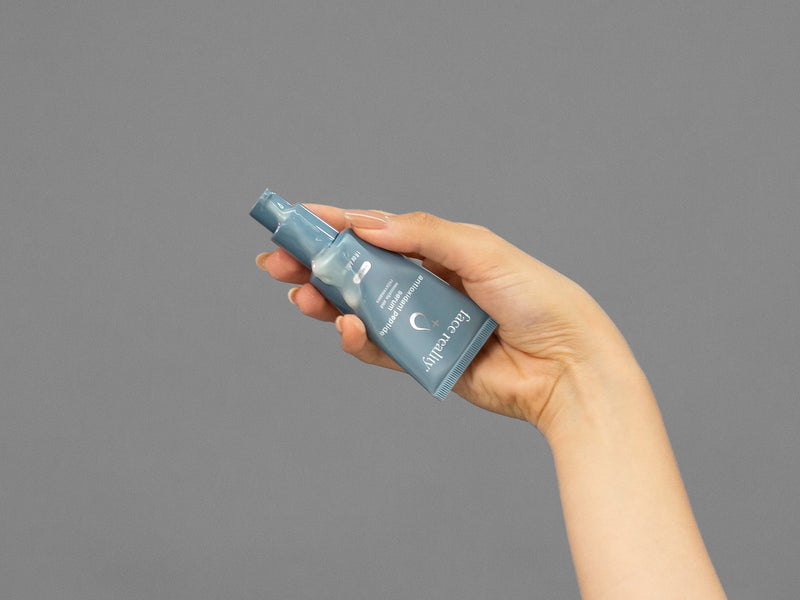


Acne-safe peptide and antioxidant serum that supports firmness, softens fine lines and defends skin.
Once my clients finish their acne program, I may recommend introducing acne-safe anti-aging if it’s something they need. The Antioxidant Peptide Face Serum is a great, budget-friendly option because as we lose collagen and elastin each year and the skin’s healing slows, peptides help support repair and resilience. It can be layered with Mandelic or HydraRemedy, but I only suggest adding it if anti-aging is a priority.
Face Reality Antioxidant Peptide Face Serum is a lightweight serum for acne-safe anti-aging. Palmitoyl tripeptide-38 and a copper complex support the repair and collagen your skin makes on its own, while a spin trap antioxidant and resveratrol neutralize the free radicals that drive inflammation and visible aging. Apply one pump over a clean face, or only where you need it.
This serum was developed with reactive, acne-prone clients in mind. It is non-comedogenic and fragrance-free, and glycerin draws water into your skin to keep it hydrated. Resveratrol, an antioxidant found naturally in red grapes, is included here as a ferment extract, and cyclodextrin helps keep the antioxidants stable. It is designed to fit into an acne routine without clogging pores.
Palmitoyl tripeptide-38 signals your skin to build more collagen, which softens the look of fine lines and supports firmness over time. That makes it a good fit if your skin is reactive or you would rather not use strong exfoliants. The spin trap antioxidant captures free radicals before they can damage that collagen. It can also be layered with Mandelic Serum or HydraRemedy.
The Antioxidant Peptide Face Serum absorbs quickly into the skin and pairs well with other Face Reality products. Use it morning or night between your cleanser and moisturizer to add hydration and repair support. It is lightweight enough for oily skin, and glycerin with a light emollient keeps it comfortable on dry skin too.


Hydrates, smooths texture, brightens and softens skin.
Some of my clients with oilier skin want something super light but still hydrating, especially in the summer. I got you. AquaGel Cream from KRX Aesthetics is perfect for acne-prone and reactive skin too, so if you have any of these three needs you have found what you were looking for.
KRX AquaGel Cream is a gel-cream moisturizer with a cream-to-water texture that melts on contact and absorbs instantly without heaviness or residue. Formulated with a streamlined ingredient list, it hydrates, soothes, and gently brightens, making it suitable for all skin types. A small amount covers the face, neck, and chest.
AquaGel Cream melts on contact and absorbs within seconds, leaving skin feeling comfortable and hydrated rather than coated or heavy. The cream-to-water texture releases a surge of moisture that the skin draws in immediately, which suits oily and acne-prone skin types. Glycerin helps attract and retain moisture to keep the skin hydrated.
Reactive and easily irritated skin needs hydration that supports rather than aggravates. AquaGel Cream contains soothing botanical actives that help calm redness and reduce irritation. It is fragrance-free, non-comedogenic, and appropriate for sensitive, post-procedure, and acne-prone skin. Panthenol supports barrier function and helps soothe, so with daily use skin feels more stable and comfortable.
AquaGel Cream layers cleanly under SPF and makeup without pilling or disrupting anything on top. It also works well under richer creams at night for anyone wanting an extra layer of hydration. It does not interfere with retinoids, acids, or vitamin C products. Apply a thin, even layer as the final moisturizing step before SPF, morning and evening.


Oil-free vitamin A moisturizer for healthier-looking skin, improved texture, and balance.
If you have sensitive skin, this is genuinely one of the easier ways to introduce vitamin A. Without a step up system like this, most reactive skin types struggle to tolerate vitamin A at all. It is a light gel, which also makes it especially suitable for oily skin that wants the benefits without any heaviness. I recommend it to anyone whose skin needs that gentler starting point before working up to something stronger.
Environ AVST Gel is the entry point of the Vitamin Step-Up System, a lightweight, cooling gel moisturizer formulated with the lowest concentration of vitamin A and vitamin C in the entire range. Suitable for all skin types including the most sensitive, and safe during pregnancy, it calms redness and irritation while introducing the skin to vitamin A gently. Does not contain sunscreen.
Introducing vitamin A too quickly is one of the most common causes of irritation, redness, and peeling. AVST Gel solves this by starting at the lowest possible concentration in the entire step-up system, allowing the most sensitive and reactive skin to begin building tolerance safely. After one to three bottles, most clients are ready to progress to the next level of the system.
For skin that is sensitive, congested, or easily irritated, even gentle actives can cause discomfort. AVST Gel is specifically formulated to calm redness and soothe irritation while still delivering the benefits of vitamin A and antioxidant protection. Its cooling, water-based texture makes it comfortable even on compromised or reactive skin, which is why it is often recommended after a professional treatment as well.
Vitamin A helps regulate how skin cells behave, supporting more balanced oil production and smoother, more even-looking texture over time. Even at the lowest concentration in the AVST system, this normalizing effect is present, helping improve the appearance of fine lines and uneven skin tone gradually. With consistent use, skin looks more settled, more even, and more resilient.


A cellular energy mist that hydrates, calms, and strengthens.
If you are looking for a mist that helps you in the moment but also has long term effects on aging, you have found it. Blue Peptide Spray from Young Goose delivers immediate soothing, calming, and hydration while also working to repair and prevent aging over time.
Young Goose Blue Peptide Spray is powered by methylene blue, a compound that works inside skin cells to restore the energy that drives repair, collagen production, and resilience. It delivers instant hydration and calm on contact while building long-term skin health with every use. Mist it over clean skin as your first step, morning, evening, or both.
As skin ages, cellular energy declines and skin becomes more fatigued, slower to recover, and less resilient. Blue Peptide Spray supports the mitochondria, the part of the cell responsible for producing energy. When cells are better powered, repair and renewal work more efficiently. NMN, or nicotinamide mononucleotide, adds support for the NAD+ pathways linked to cellular function and repair.
Blue Peptide Spray contains copper peptides, compounds the skin naturally produces to signal collagen and elastin renewal. With consistent use, skin gradually feels denser and more resilient, and fine lines appear softer through structural changes that build over weeks of regular application. Follow with your serums and moisturizer to build on these results.
A compromised skin barrier leads to persistent redness, sensitivity, and moisture loss. Blue Peptide Spray helps calm visible redness on contact while supporting the barrier's ability to hold moisture and defend against irritants. It is suited to sensitive and post-procedure skin. Mist it on whenever skin needs refreshing, even over makeup, for instant hydration and calm.


Exosome body serum for damage repair, crepey skin, thinning skin, and loss of firmness.
I recommend Plated Body Serum to anyone dealing with crepey skin, fine lines, redness, or uneven tone on the body. It is also genuinely valuable for clients who have accumulated a lot of damage over the years, especially from inadequate sun protection, because that kind of damage always shows up eventually on body skin. The sooner you start repairing it, the better the long-term result. This is a smart place to start. Since it increases cell turnover similar to how retinoid does it, make sure to exfoliate at least twice a week. I use the Epicuren scrub.
Plated Body Serum is the first platelet-derived exosome serum designed specifically for total-body renewal. Powered by Renewosome technology, it visibly tightens crepey and thinning skin, enhances firmness and elasticity, supports smoother younger-looking skin, and reduces the appearance of brown spots and redness. Lightweight and fast-absorbing, it is clinically proven and suitable for all skin types including sensitive.
Body skin loses collagen and elasticity over time, showing up as crepey texture and looseness on the arms, chest, legs, and knees. Plated Body Serum uses the same exosome technology behind the brand's clinically proven face serums, reformulated specifically for the thicker, slower-renewing skin of the body. It visibly tightens and firms where it matters most, with results that build with continued use.
Rough, uneven texture on the body is often the result of slowed cell renewal and accumulated environmental stress. Plated Body Serum works to support the skin's own regenerative processes, helping restore a smoother surface and a more radiant, healthy-looking appearance. The lightweight formula absorbs quickly, making it easy to apply across larger areas of the body without feeling heavy or greasy.
Uneven tone on the body often develops gradually from sun exposure, friction, and the natural slowing of cell turnover with age. Plated Body Serum is designed to support a more even-looking complexion everywhere it is applied, extending the same regenerative approach used on the face to the rest of the body for more consistent, healthier-looking skin overall.


Advanced benzoyl peroxide gel for severe, persistent and deep acne only.
Please keep in mind that Vivant BP 10% Gel isn’t a beginner acne product at all. At my NYC clinic I recommended it for clients who have more stubborn, inflammatory breakouts and when other products aren’t enough. We always want to achieve results with as low percentage and strength products as possible before jumping into using this gel! Stronger doesn't mean better, unless everything else stopped working. BP Gel needs to be introduced slowly and used correctly. If hyperpigmentation is a concern for some skin tones, I always start with mandelic acid before jumping into this.
Vivant BP 10% Gel Medication is formulated for skin that needs more than gentle exfoliation or antibacterial support. Using Vivant’s patented benzoyl peroxide stabilizing technology, the gel delivers powerful acne-fighting action in a lightweight, vanishing base that absorbs quickly without feeling heavy or occlusive. Glycerin helps attract and retain moisture for added comfort.
Benzoyl peroxide works by releasing oxygen inside the pore, creating an environment where acne-causing bacteria cannot survive. This deep, targeted action makes BP 10% especially effective for inflammatory breakouts, cystic tendencies, and acne that continues to return despite a consistent routine. Because it helps prevent new breakouts, it works best applied as a thin, even layer across the entire affected area.
In addition to its antibacterial benefits, BP 10% helps exfoliate within the pore, breaking down impactions that contribute to congestion and recurring breakouts. Over time, this supports clearer pores, fewer active lesions, and smoother-looking skin texture across affected areas. Cleanse and tone first, then begin in the evening and increase how often you use it as your skin allows.
This is not a beginner acne product. BP 10% Gel Medication is best reserved for more severe acne on the face, chest, and back, or for skin that has not responded to milder treatments. Because of its strength, it should be introduced slowly and used with proper guidance to minimize irritation or post-inflammatory hyperpigmentation.

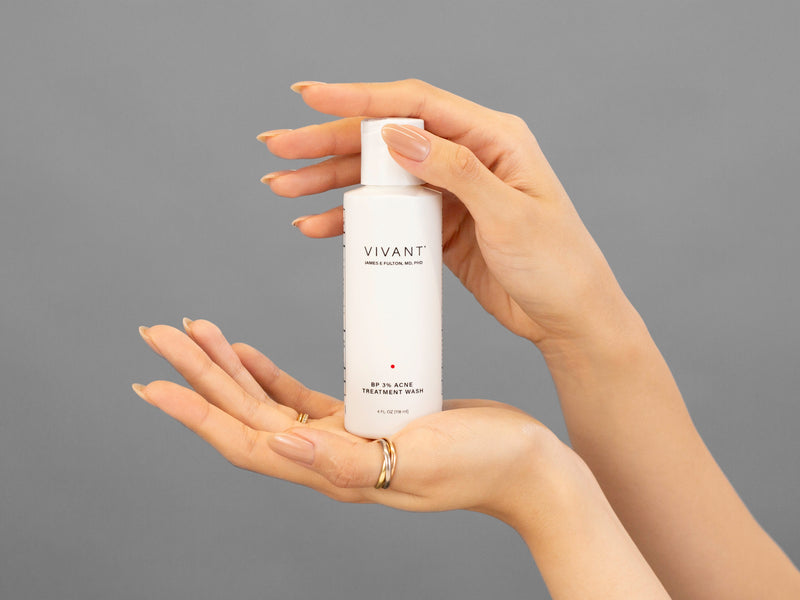


Benzoyl peroxide cleanser that targets acne and keeps pores clear.
I recommend Vivant Skincare BP Wash for clients dealing with inflamed acne. Because this formula doesn’t contain exfoliating particles, it can be used for both inflamed and non-inflamed acne depending on the routine.
Vivant BP 3% Acne Wash is formulated to help reduce breakouts by targeting the bacteria responsible for acne. The benzoyl peroxide cleanser penetrates pores to help eliminate acne-causing organisms while cleansing away oil, impurities, and debris that contribute to congestion. Massage it over damp skin and leave it on for 30 to 60 seconds before rinsing with lukewarm water.
By cleansing deeply and addressing bacterial buildup, this formula helps maintain a healthier skin environment that discourages future breakouts. Regular use helps prevent clogged pores and supports a balanced oil level, which is important for combination and acne-prone skin. Glycerin and propylene glycol help the skin maintain hydration and retain moisture while you cleanse.
As breakouts become better controlled, skin texture can appear smoother and more refined. Clearing congestion helps reduce the appearance of enlarged pores while supporting a more even-looking complexion. Consistent cleansing also helps minimize the risk of visible post-acne marks. Use it once daily, or as directed, to keep these improvements building over time.
This cleanser is particularly helpful for individuals starting an acne-focused skincare routine. It works well for combination or acne-prone skin that needs antibacterial support. Those with deeper skin tones or a higher tendency toward hyperpigmentation may benefit more from mandelic-based cleansers. Because it contains no exfoliating particles, it can fit routines for both inflamed and non-inflamed acne.


Benzoyl peroxide scrub cleanser for congested skin.
I recommend Vivant Skincare BP Exfoliating Cleanser for clients dealing with non-inflamed acne like clogged pores and blackheads. The benzoyl peroxide helps keep acne-causing bacteria under control, while the exfoliating particles help loosen buildup and unclog pores. It’s a great option when congestion is the main concern.
Vivant BP 3% Exfoliating Cleanser is designed to help clear and control acne by targeting the bacteria that contribute to breakouts. The benzoyl peroxide formula penetrates pores to help reduce acne-causing bacteria while cleansing away oil, debris, and buildup that can lead to congestion. With 3% benzoyl peroxide, it is a helpful option when congestion is the main concern.
This antibacterial cleanser helps remove impurities while keeping pores clearer and less prone to blockage. By addressing both bacteria and buildup, the formula helps support a healthier skin environment that can reduce the frequency and severity of breakouts. Glycerin, a humectant, helps maintain moisture during cleansing so skin feels comfortable after rinsing.
Biodegradable exfoliating beads help lift away dead skin cells and surface buildup that can contribute to rough texture and dullness. This gentle polishing action encourages clearer pores and smoother-looking skin while helping improve the appearance of uneven texture. Massage gently over damp skin, focusing on areas of congestion, then rinse thoroughly with lukewarm water and pat dry.
BP 3% Exfoliating Cleanser works best for combination or oily skin experiencing breakouts and congestion. It helps maintain clearer pores while supporting a balanced routine for acne-prone skin. Individuals prone to hyperpigmentation or with deeper skin tones may prefer mandelic-based cleansers instead. It works especially well for non-inflamed acne such as clogged pores and blackheads.


Gentle exfoliating grains that help unclog pores and smooth texture.
This is a great option for clients dealing with non-inflamed acne, clogged pores, or mature skin with a lot of texture. Vivant Buffing Grains help loosen buildup and keep pores clearer without being overly aggressive. I like that the formula is very simple and generally well tolerated, even by more sensitive skin. It can also be easily combined with your favorite cleanser, which makes it a flexible exfoliating step in many routines. <3
Vivant Buffing Grains help remove dull surface buildup, excess oil, and debris that can leave skin looking uneven or tired. The polishing beads work across the surface of the skin to lift away dead cells, helping reveal a fresher, more radiant complexion while supporting clearer pores.
Regular exfoliation helps encourage natural cell turnover and prevents buildup that can contribute to congestion and rough texture. This water-based formula provides a balanced cleanse and polish in one step, helping skin maintain smoother texture and better clarity without relying on harsh or aggressive scrubbing.
By removing surface buildup, the skin appears brighter, smoother, and more even in tone. Exfoliation also helps skincare products absorb more effectively, allowing serums and moisturizers to work more efficiently. With consistent use, skin can look clearer, more refined, and naturally luminous. Urea supports hydration and softens rough or dry areas as you polish.
Vivant Buffing Grains are designed for most skin types looking for a simple way to maintain smooth, polished skin. The gentle exfoliating beads make it a practical addition to routines focused on texture refinement, congestion prevention, and maintaining a healthy-looking glow. Use it two to three times a week, mixed with water or your cleanser and massaged over damp skin.


A watery exosome serum that soothes irritation, strengthens the barrier, and calms redness and sensitivity.
f you’re struggling with redness, rosacea, barrier damage, or sensitivity, Calm Serum is my go-to. It instantly soothes irritation, helps strengthen the barrier, and makes reactive skin feel more balanced. I recommend it post-procedure too, since it helps calm and comfort the skin while supporting recovery.
The Calm Serum is designed for skin that needs a reset. Whether you are dealing with redness, irritation, sensitivity, or flare-ups after procedures, this soothing formula helps restore a healthier-looking complexion and delivers fast relief while working to strengthen your skin's barrier over time. Beta glucan adds soothing, hydrating, and barrier-strengthening support.
This serum features plated's proprietary Renewosome technology, exosomes enriched with over 800 growth factors and anti-inflammatory cytokines. These bio-identical messengers help signal repair, reduce irritation, and support your skin's natural healing processes, especially when it is under stress. Amino acids, the building blocks of collagen and elastin, add hydration and help protect the skin barrier.
Every detail of this serum is crafted for tolerance and comfort. It is fragrance-free, non-comedogenic, and tested for sensitive skin. With a silky, non-greasy finish, it layers easily into any skincare routine, even after in-office procedures or during barrier repair protocols. Apply it to clean skin as the very first step, before your hydrator.
Used consistently, the Calm Serum helps your skin become less reactive, with improved hydration and reduced flushing. It is ideal for anyone navigating rosacea-prone skin, chronic sensitivity, or skin that feels overworked or stripped. It is also a calming choice after professional procedures, supporting comfort and recovery.


Gentle foaming cleanser that removes impurities and makeup while soothing sensitive skin.
SkinBetter Cleansing Gel is one of those products that does exactly what a cleanser should. It removes sunscreen and makeup without needing a second cleanser, does not burn, has no smell, and skin just feels clean and comfortable after, not tight or stripped. Clients who switch to this always comment on how little they need per wash. It works for everyone and it is especially great if you are already using SkinBetter actives and want a cleanser that does not undo the barrier work you are doing with the rest of your routine. I wouldn't recommend this cleanser for dry to very dry skin.
SkinBetter Cleansing Gel is a refreshing, foaming cleanser that washes away makeup, excess oil, and impurities without stripping your skin. Its mild formula works for all skin types, even sensitive or compromised skin, making it a dependable choice for morning and evening routines. Massage it into damp skin for one minute, then rinse with lukewarm water.
This cleanser is soap- and sulfate-free, ensuring a deep cleanse that preserves your skin’s natural moisture barrier. Glycerin helps attract and lock in hydration, leaving your skin feeling soft and comfortable instead of tight or dry. Its mild formula is also suitable for post-procedure skin that needs a gentle cleanse.
Infused with aloe vera, chamomile, and cucumber extracts, SkinBetter Cleansing Gel calms and refreshes the skin while delivering a clean, healthy-looking glow. These botanicals work in harmony to reduce visible redness and support a balanced complexion. Cucumber extract is calming and cooling, making it especially helpful for sensitive or irritated skin, while aloe replenishes moisture.
Formulated without parabens, fragrance, or dyes, this cruelty-free cleanser has been tested for safety and tolerance, making it ideal for those who want an effective yet gentle start to their skincare routine. It is also sulfate-free, silicone-free, vegan, and pregnancy safe, and works well morning and evening.


Removes buildup while soothing dry, sensitive skin.
I recommend Vivant Skincare Cleansing Milk for clients with dry skin who want a cleanser that won’t strip the skin. It can also be used with a cotton pad as a gentle makeup remover or as the first step in a double cleanse. I especially like it for travel - it works well on flights or when hiking or camping, when water isn’t easily accessible.
Vivant Cleansing Milk gently dissolves oil, dirt, and daily residue while maintaining the skin’s natural moisture balance. The creamy formula cleans effectively without leaving skin tight or dry, making it especially helpful for delicate or compromised skin types that cannot tolerate strong foaming cleansers. It also works as a gentle makeup remover.
The formula uses moisturizing emollients and humectants that help protect the skin’s barrier during cleansing. Instead of disrupting the skin’s natural oils, it works to lift impurities while leaving essential moisture behind, which is important for rosacea-prone, inflamed, or post-procedure skin that requires extra care.
After cleansing, skin feels supple, hydrated, and calm rather than stripped or reactive. The nourishing texture helps soften dry patches and reduce the tight feeling that often follows cleansing. Over time, consistent use supports smoother texture and a more comfortable skin environment. Grape seed oil softens and conditions the skin while offering antioxidant protection.
This cleanser is especially well suited for very dry, dry-combination, sensitive, rosacea-prone, or mature skin types. Its ultra-gentle formula also makes it appropriate for delicate situations such as post-surgical skin or extremely fragile skin that requires cleansing without irritation. Since it can be wiped off with a cotton pad, it also suits travel and camping when water is hard to find.


Prebiotic cleanser that supports the microbiome while balancing oil and dryness without stripping skin.
I recommend the Biojuve Conditioning Cleanse for breakouts, reactive skin, aging skin, and after a laser or a peel. It also helps restore the oil-dryness balance, which every skin type needs, especially combination skin. It removes sunscreen easily. If you wear heavy makeup, remove it first for the best results.
BIOJUVE Conditioning Cleanse gently removes dirt, oil, and impurities while keeping your skin's natural balance intact. Its prebiotic-rich formula supports a healthy microbiome, leaving skin clean, soft, and ready to receive the full benefits of your skincare routine. Massage a dime-sized amount onto wet or dry skin, then rinse or wipe away with a damp cloth.
This innovative cleanser is enriched with prebiotics that help keep the bacteria on your skin in balance. By maintaining a healthy skin environment, BIOJUVE Conditioning Cleanse promotes barrier strength, minimizes irritation, and enhances the skin’s natural radiance. Inulin, a naturally derived prebiotic, nourishes your skin’s microbiome and helps keep skin calm and resilient.
Whether your skin is dry, oily, or sensitive, BIOJUVE Conditioning Cleanse is designed to suit it. Its gentle, sulfate-free formula cleans effectively without disrupting the skin’s protective barrier, making it a smart choice for daily use. Sodium cocoyl glutamate, a gentle amino acid-based cleanser, removes excess oil and debris while maintaining the skin’s natural pH.
Using BIOJUVE Conditioning Cleanse is more than just cleansing; it is setting the foundation for a balanced, vibrant complexion. Pair it with the rest of the BIOJUVE system to maximize results and keep your skin at its healthiest every day. Use it twice daily, morning and evening, as the first step of your routine.


A gel exosome serum that prevents fine lines, boosts glow, and supports daily skin renewal.
If you’re starting to notice early signs of aging like dullness, fine lines, or just need a boost for glow, Daily Serum is such a good fit. The thicker gel texture feels amazing and really gives the skin that refreshed, bouncy look. My clients love how it keeps their skin looking smooth and radiant with consistent use; it’s a perfect everyday anti-aging step.
Daily Serum is a dependable choice for healthy, youthful-looking skin, formulated to support skin repair, smooth texture, and reduce signs of aging with every use. It is gentle enough for daily application, yet powerful enough to address fine lines, dullness, and visible signs of stress. Its gel texture leaves skin looking refreshed and bouncy.
At the heart of the formula is plated's exclusive Renewosome technology, lab-engineered exosomes that deliver over 800 growth factors and anti-inflammatory cytokines directly to your skin. These biologically active messengers help mimic your skin's own regenerative signals, encouraging better repair and visible rejuvenation. Amino acids, the building blocks of collagen and elastin, help hydrate and protect the barrier.
With continued use, Daily Serum helps soften fine lines, improve tone and elasticity, and fortify the skin barrier. The lightweight texture absorbs easily and layers well under other skincare and makeup, making it an ideal daily essential for both prevention and correction. Apply it first on clean skin and allow five to ten minutes to absorb.
This formula is hypoallergenic, fragrance-free, and non-comedogenic, making it safe for all skin tones and types, including those with sensitivity or inflammation. Whether you are focused on age prevention or recovering from skin stress, Daily Serum helps your skin function and look its best. Glycerin draws in water to help maintain hydration and barrier function.


A lightweight hydrator that balances moisture, clears congestion, and refreshes skin for a smoother look.
If you’re dealing with oiliness, breakouts, or irritation, you can add Daily Skin Clarifier to your routine. Start with once a day ad work up to two if needed. It helps calm inflammation, even out skin tone, and keep your skin feeling balanced, hydrated, and refreshed. i have so many clients that swear by it!
GlyMed Plus Daily Skin Clarifier is a targeted antioxidant serum designed to reduce discoloration caused by acne, sun damage, hormones, and trauma. It works to even out tone while calming the skin, making it ideal for those looking to clarify gently. Phytic acid, a gentle exfoliant and tyrosinase inhibitor, helps fade hyperpigmentation and improve skin clarity.
Natural tyrosinase inhibitors like bearberry, licorice, and mulberry work together with phytic acid and vitamin C to reduce melanin production and fade dark spots. The formula also includes green tea, sugarcane extract, and fruit-based antioxidants for additional skin support. Bearberry leaf naturally contains arbutin, which helps reduce melanin formation and even out skin tone.
Apply Daily Skin Clarifier to the face, neck, and décolleté after cleansing, then follow with moisturizer and sunscreen. Start once a day and work up to twice daily if needed. With consistent use, it helps lessen uneven pigmentation and promotes a smoother, brighter-looking complexion. Its gentle botanical brighteners make it easy to keep using every day.
This serum is safe for daily use and suitable for skin recovering from chemical peels, laser, or other professional procedures. Its gentle formula makes it a reliable option for those with inflamed acne, sensitive skin, or a disrupted barrier. It also helps calm inflammation and keeps skin feeling balanced and hydrated.


Lactic acid and urea based lotion that smooths rough texture, dryness, and crepey skin.
One of my favorite body products for anyone who wants smooth skin every single day, not just after a scrub. The texture is watery, almost like a toner for the body, which makes it so easy to apply daily. Instead of scrubbing once or twice a week and having smooth skin for a day before it goes rough again, you use this daily and your skin just stays smooth. After a few weeks you genuinely notice the difference. Mixed with Environ Body Oil it becomes an ultimate body treatment. I recommend Environ Derma-Lac Lotion for keratosis pilaris, rough patches, crepey skin, dullness, and dryness at any age, but especially for aging skin.
Environ Derma-Lac Lotion is a lightweight body lotion formulated with lactic acid, urea, and ammonium lactate that gently exfoliates and deeply hydrates simultaneously. It softens rough, dry, and calloused skin, supports skin renewal, and helps improve the appearance of uneven tone and texture over time. Suitable for all skin types.
Most body exfoliants require scrubbing, which can be too aggressive for daily use. Derma-Lac Lotion uses lactic acid, a gentle alpha hydroxy acid, to dissolve the bonds between dead skin cells and assist the skin's natural renewal process without any physical friction. Applied morning and evening, it produces a progressive improvement in surface texture and skin tone that compounds with consistent use over time.
Elbows, knees, heels, and feet are the first places to develop dry, rough, and calloused texture, particularly in colder months. The combination of lactic acid and urea in Derma-Lac Lotion works directly on this thickened skin, breaking down the buildup of dead cells while simultaneously drawing moisture in. With regular use, even the roughest areas become noticeably softer and smoother.
Lactic acid, urea, and glycerin are three of the most effective humectants available in skincare, and this formula uses all three together. Each draws water into the skin through a slightly different mechanism, working at different depths to provide comprehensive, lasting hydration throughout the day. The result is skin that feels genuinely nourished rather than temporarily coated, with hydration that builds with consistent daily use.

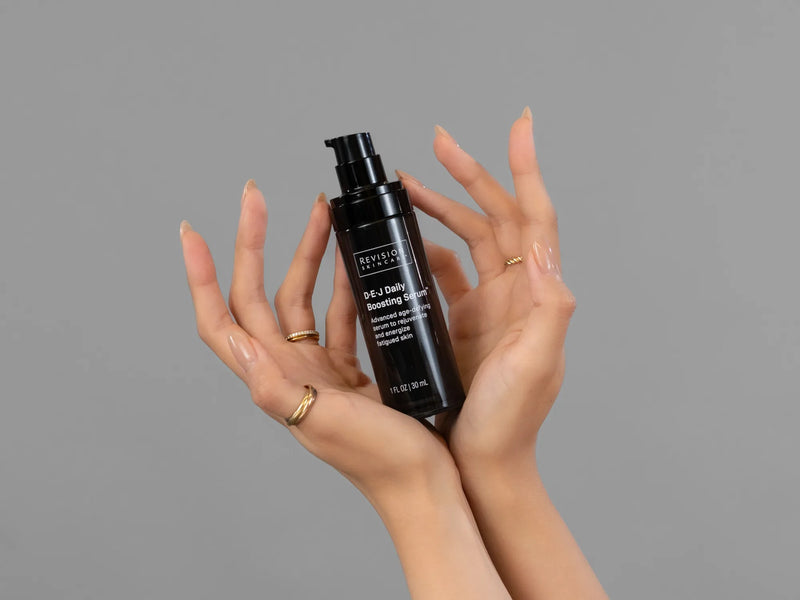


Daily serum that firms, smooths fine lines and brightens by working on glycation.
If you are looking for a serum that helps even skin tone, protect against environmental aging, restore glow, and minimize fine lines, Revision D·E·J Daily Boosting Serum does all of those things. It works on multiple signs of aging at once without making the routine complicated. It's one of Revisions bestsellers for a reason.
Revision Skincare D·E·J Daily Boosting Serum is a multi-tasking daily serum formulated around patented Sunflower Sprout Extract Technology that boosts cellular energy and allows skin to function in a more youthful way. It visibly improves firmness, fine lines, texture, radiance, and uneven tone while supporting the microbiome and defending against environmental stress. Suitable for all skin types.
Glycation occurs when sugar molecules bind to collagen and elastin, making them stiff and brittle over time. It is a primary driver of fine lines, loss of firmness, and dullness. D·E·J Daily Boosting Serum contains patented Sunflower Sprout Extract and Iris Florentina Root Extract to reduce glycation and visibly improve skin quality, firmness, and radiance with daily use.
When cellular energy declines and glycation accumulates, skin loses some of its ability to maintain firmness and renew itself efficiently. D·E·J Daily Boosting Serum boosts cellular energy, supports the dermal-epidermal junction, and visibly improves fine lines and elasticity. In clinical studies, texture and fine lines visibly improved in as early as seven days and continued improving through twelve weeks.
Dullness, uneven tone, and the lingering effects of sun damage all respond to the daily antioxidant protection and microbiome support this serum delivers. THD Ascorbate, a stable form of vitamin C, brightens and defends against the environmental damage behind discoloration, and Resveratrol adds antioxidant support. For extra brightening, Revision recommends pairing D·E·J Daily Boosting Serum with C+ Correcting Complex 30%.


Silky body cream with peptides and hyaluronic acid that firms, hydrates, and revitalizes skin.
My clients and I have tested the Encore Body for over 3 months and here is what we loved: no fragrance was amazing for sensitive skin clients, we all noticed how the texture is light but nourishing without feeling sticky at all, those who had elasticity issues noticed improvement in just 3 weeks, skin felt less dull and more glowy even in couple of days. Encore spreads easily and lasts a long time for a bottle of this size. This will be perfect for summer time because it’s not greasy! Definitely give Encore a try - make sure to use it twice a day ♥️
Encore Body Hydrator uses Supercharged HA and PPM6 Technology to deliver powerful, multi-layer hydration that penetrates deeply into thicker body skin. This advanced formula smooths, softens, and visibly revitalizes dry, flaky, or crepey skin from the neck down to the toes. Apply it generously after bathing, while skin is still damp, and reapply anywhere that feels dry.
Infused with potent actives such as prickly pear cactus extract, kakadu plum, and hydrolyzed haematococcus pluvialis (a vegan collagen peptide), this formula works to firm and tone the skin while also defending against environmental stressors, resulting in softer, more resilient texture. Peptides help signal the skin to repair, firm, and rebuild itself.
This lotion is not just about hydration; it is a full-spectrum body care solution. Drawing on powerful botanical antioxidants like grapefruit, ginger root, and bisabolol, alongside stabilized vitamin C from Kakadu plum, it works to calm irritation, improve tone, and support long-term skin health. Prickly pear cactus extract adds further calming and barrier-strengthening benefits.
Despite its advanced formulation, Encore Body Hydrator absorbs quickly and leaves minimal residue. Users see visible smoothing, lasting moisture, and improved skin firmness, with many noticing results within just two weeks of regular use. The light, non-sticky texture suits warm weather, and the fragrance-free formula suits sensitive skin.
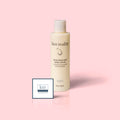
Face Reality
Benzoyl peroxide scrub with eco-beads that clears face and body pores, especially for non-inflamed acne.

Face Reality
Benzoyl Peroxide wash that unclogs pores and targets inflamed acne on the face and body.

iS Clinical
Evens skin tone, reduces blemishes, and softens fine lines for aging or breakout-prone skin.

GlyMed
Smooths wrinkles, boosts radiance, and supports skin longevity.

SkinBetter Science
Restores volume, smooths skin, and boosts hydration.

Face Reality
Super lightweight eye gel that hydrates, firms, and reduces puffiness.

Face Reality
Acne-safe peptide and antioxidant serum that supports firmness, softens fine lines and defends skin.
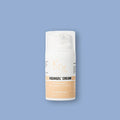
KrX Aesthetics
Hydrates, smooths texture, brightens and softens skin.

Environ
Oil-free vitamin A moisturizer for healthier-looking skin, improved texture, and balance.

Young Goose
A cellular energy mist that hydrates, calms, and strengthens.

Plated
Exosome body serum for damage repair, crepey skin, thinning skin, and loss of firmness.

Vivant
Advanced benzoyl peroxide gel for severe, persistent and deep acne only.

Vivant
Benzoyl peroxide cleanser that targets acne and keeps pores clear.

Vivant
Benzoyl peroxide scrub cleanser for congested skin.

Vivant
Gentle exfoliating grains that help unclog pores and smooth texture.

Plated
A watery exosome serum that soothes irritation, strengthens the barrier, and calms redness and sensitivity.
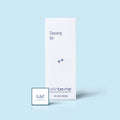
SkinBetter Science
Gentle foaming cleanser that removes impurities and makeup while soothing sensitive skin.

Vivant
Removes buildup while soothing dry, sensitive skin.
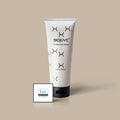
Biojuve
Prebiotic cleanser that supports the microbiome while balancing oil and dryness without stripping skin.
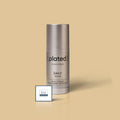
Plated
A gel exosome serum that prevents fine lines, boosts glow, and supports daily skin renewal.

GlyMed
A lightweight hydrator that balances moisture, clears congestion, and refreshes skin for a smoother look.

Environ
Lactic acid and urea based lotion that smooths rough texture, dryness, and crepey skin.

Revision
Daily serum that firms, smooths fine lines and brightens by working on glycation.
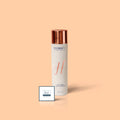
Hydrinity
Silky body cream with peptides and hyaluronic acid that firms, hydrates, and revitalizes skin.

Bisabolol for Calming Redness and Irritation
Bisabolol is the calming compound first found in chamomile, and it quiets the inflammation behind redness, stinging and itch. Here is how it works, who it suits and how to use it.

Allantoin for Rough, Dry and Irritated Skin
Allantoin softens rough, flaky skin and soothes irritation, and the US FDA recognizes it as a skin protectant. Here is how it works, what the research shows and how to use it.

Centella for Redness and Reactive Skin
Centella calms inflammation, helps skin hold on to water and supports repair after irritation. Here is what the research shows, what cica means on a label and how to use it.